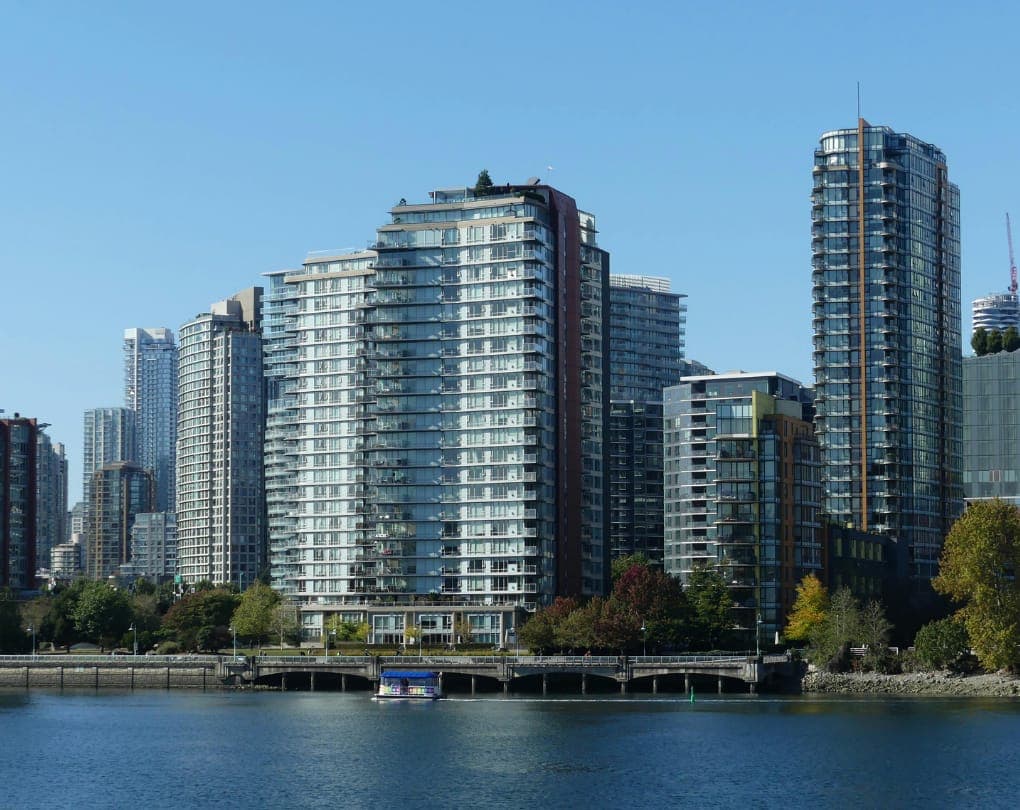
Waterfront condo living in Canada carries a psychological premium, a financial premium, and a structural premium.
Buyers are not simply purchasing square footage. They are purchasing proximity to water, scarcity of land, protected sightlines, and a lifestyle anchored to shoreline infrastructure trails, marinas, promenades, and cultural districts.
However, waterfront condos are not interchangeable across cities. Climate exposure, development density, pricing floors, investor demand, governance structures, and resale stability vary widely from Toronto to Halifax.
Understanding pricing cycles, reserve fund planning, and long-term demand fundamentals is essential before committing capital. Buyers reviewing broader national data can reference Statistics Canada housing data.
Toronto Waterfront Condos: High-Density Urban Lakefront
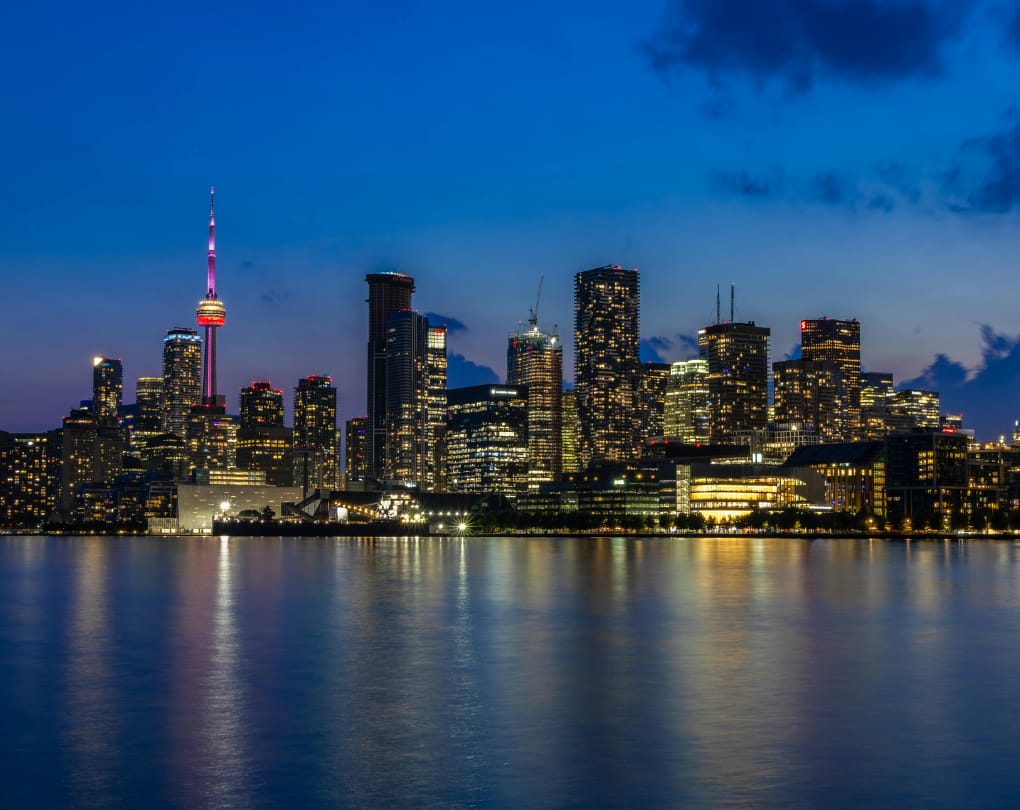
Toronto’s waterfront stretches along Lake Ontario from Humber Bay to the Port Lands. Over the past twenty years, this corridor has transformed from an industrial shoreline into one of Canada’s most vertical condo clusters across the broader Toronto market.
Major infrastructure and planning in the area have also been shaped by ongoing waterfront redevelopment initiatives.
Market Position
Toronto waterfront condos sit at the upper band of the city’s condo pricing spectrum. Units with unobstructed south-facing lake views typically command a measurable premium over inland comparables.
Buyer Profile
- Downtown professionals
- International investors
- Executive renters
- Downsizers prioritizing walkability
Structural Considerations
Lake exposure increases:
- Wind-related wear on balconies
- Glass façade maintenance
- Mechanical system strain
Buyers should review reserve fund studies and special assessment history carefully. Older early-2000s towers may face upcoming capital repair projects.
Investment Outlook
Limited shoreline inventory and downtown proximity support long-term desirability. However, price movement remains influenced by:
- Interest rate shifts
- Condo oversupply cycles
- Investor demand trends
Vancouver Waterfront Condos: Pacific Scarcity and Global Capital

Vancouver’s waterfront markets, including Coal Harbour and False Creek, are globally recognized luxury segments.
Ownership and strata records are administered by the Land Title and Survey Authority of British Columbia.
Market Tier
Vancouver waterfront condos often trade at some of the highest price-per-square-foot figures in Canada.
Environmental Factors
Pacific coastal exposure introduces:
- Salt-air corrosion
- Moisture management demands
- Higher envelope repair risk
In British Columbia, condominium oversight and regulatory guidance are provided through the province’s financial services regulator, and reviewing depreciation reports along with the overall financial health of the strata is an essential part of proper due diligence before purchasing.
Demand Drivers
- Limited developable shoreline
- International buyer activity
- Mountain + ocean view appeal
Foreign buyer policies and vacancy taxes have influenced transaction volume but have not eliminated demand for prime units.
Victoria, BC Waterfront Condos: Boutique Coastal Stability
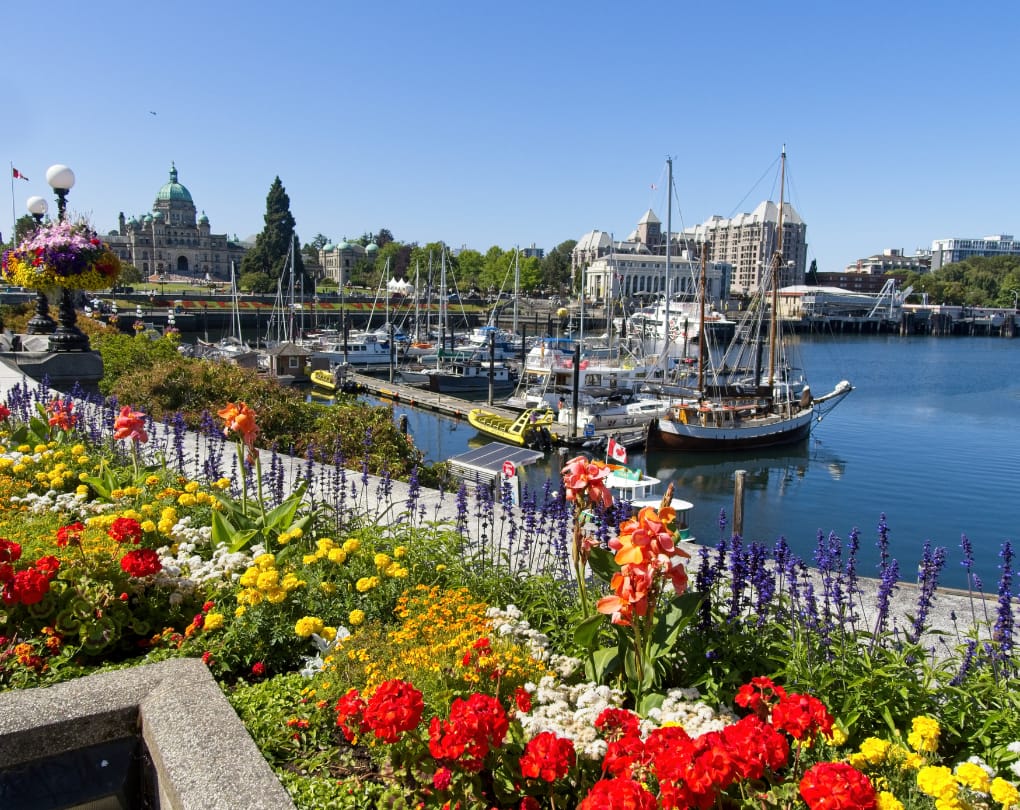
Victoria’s waterfront condo market centres around the Inner Harbour and Songhees.
Compared to Vancouver, Victoria offers:
- Lower density
- Mid-rise boutique buildings
- Retirement-oriented demand
Market Character
Pricing is elevated but less volatile. Growth patterns tend to be steady rather than aggressive.
Buyer Demographic
- Retirees relocating within BC
- Downsizers from single-family homes
- Lifestyle purchasers prioritizing climate
Reserve funds in smaller strata corporations require close evaluation, as fewer units share large future capital expenses.
Halifax Waterfront Condos: Atlantic Growth and Relative Affordability

Halifax’s Atlantic harbourfront has seen increasing residential investment.
Entry Pricing
Compared to Toronto or Vancouver, Halifax waterfront condos may offer more accessible entry pricing.
Risk Considerations
Atlantic weather exposure can increase:
- Building envelope wear
- Moisture mitigation needs
- Long-term capital repair cycles
Investment Perspective
Halifax is often viewed as a growth market rather than a globally priced luxury market.
Kelowna Waterfront Condos: Resort Cycles and Tourism Demand
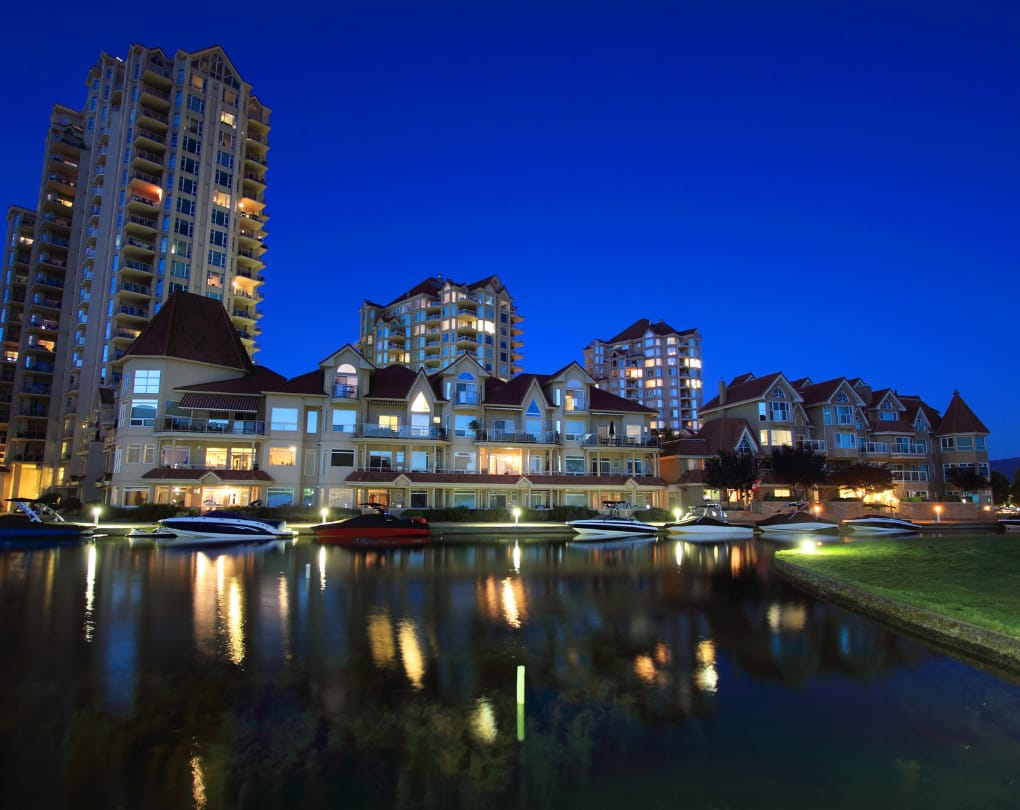
Kelowna waterfront condos sit along Okanagan Lake and operate partially within a resort-style ownership model.
Market Dynamics
- Vacation-driven demand
- Second-home purchasers
- Tourism-season pricing fluctuations
Regulatory Sensitivity
Short-term rental regulations have influenced investor activity in recent years.
Kelowna markets may experience greater seasonality than Toronto or Ottawa.
Ottawa Waterfront Condos: Stability Anchored by Government

Ottawa waterfront condos typically sit near the Ottawa River and the Rideau Canal.
Market Characteristics
- Federal employment base
- Lower volatility
- Stable demand cycles
Ottawa combines moderate pricing with reliable resale demand.
Montreal Waterfront Condos: Culture Meets Riverfront
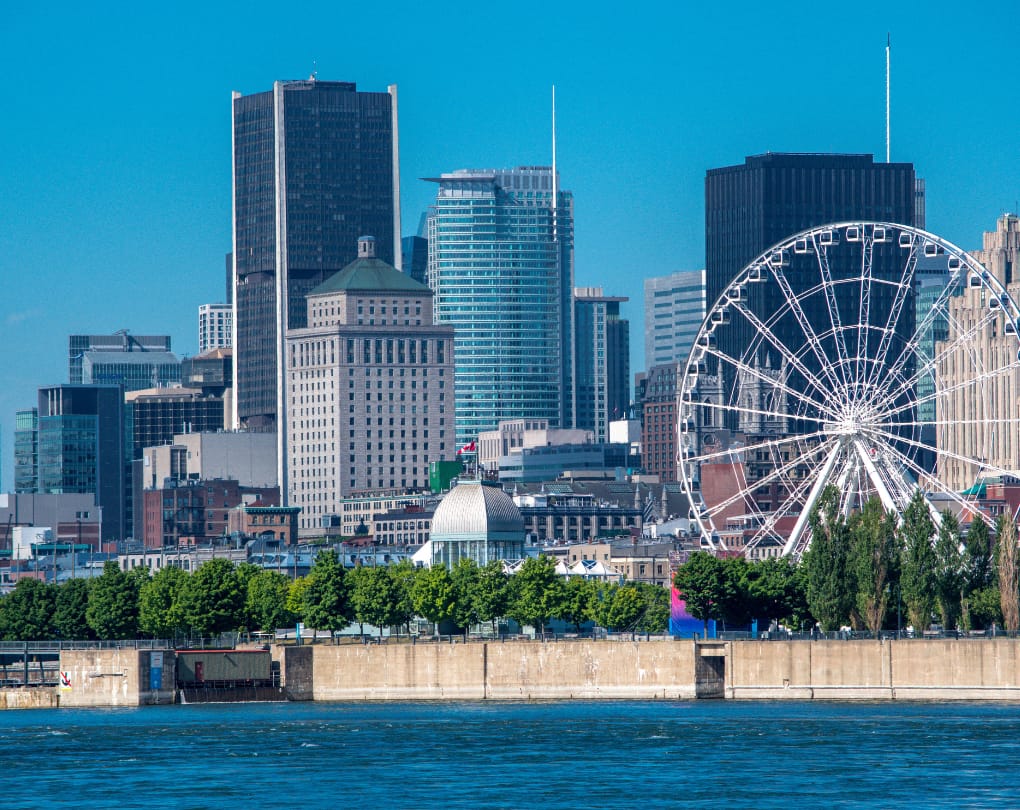
Montreal’s waterfront condos are concentrated near the Old Port and St. Lawrence River.
Competitive Advantage
- Lower entry pricing relative to Toronto
- Historic + modern architecture blend
- Strong cultural draw
Montreal often appeals to urban buyers seeking value in major-city waterfront living.
Burlington Waterfront Condos: Commuter Lakefront Alternative
Burlington offers Lake Ontario waterfront living with proximity to Toronto.
Market Appeal
- Quieter density
- Strong retiree demand
- GO Transit commuter accessibility
Pricing is typically lower than the central Toronto waterfront but higher than inland suburban condo markets.
Comparative Overview
| City | Pricing Tier | Volatility | Lifestyle Profile |
|---|---|---|---|
| Toronto | High | Moderate | Urban luxury |
| Vancouver | Very High | Moderate | Global coastal |
| Victoria | High | Low | Retirement coastal |
| Halifax | Mid | Moderate | Atlantic growth |
| Kelowna | Mid–High | Seasonal | Resort living |
| Ottawa | Mid | Low | Government stability |
| Montreal | Mid | Moderate | Cultural riverfront |
| Burlington | Mid–High | Low | Commuter lakefront |
Frequently Asked Questions
Why are waterfront condos more expensive?
Scarcity of shoreline land and strong lifestyle demand support premium pricing.
Do waterfront condos require more maintenance?
Exposure to wind, moisture, or salt air can increase long-term capital repair planning.
Are reserve funds more important in waterfront buildings?
Yes. Environmental exposure increases the importance of adequate financial planning.
Which city offers the most stable waterfront condo market?
Ottawa and Victoria tend to show lower volatility compared to tourism-driven or globally influenced markets.
Are waterfront condos good long-term investments?
They can be, particularly in cities with constrained shoreline development and strong economic fundamentals.
Final Perspective
Waterfront condos in Canada are not a single category; they represent eight distinct market ecosystems.
Toronto and Vancouver reflect global capital and scarcity. Victoria and Ottawa emphasize stability. Halifax and Kelowna offer growth and lifestyle appeal. Montreal blends value with culture. Burlington provides commuter-accessible lakefront calm.
The strongest waterfront purchases are not driven by views alone but by understanding pricing cycles, governance structure, environmental exposure, and long-term demand fundamentals.
If you wake up to the water, make sure you understand the structure behind the view.


