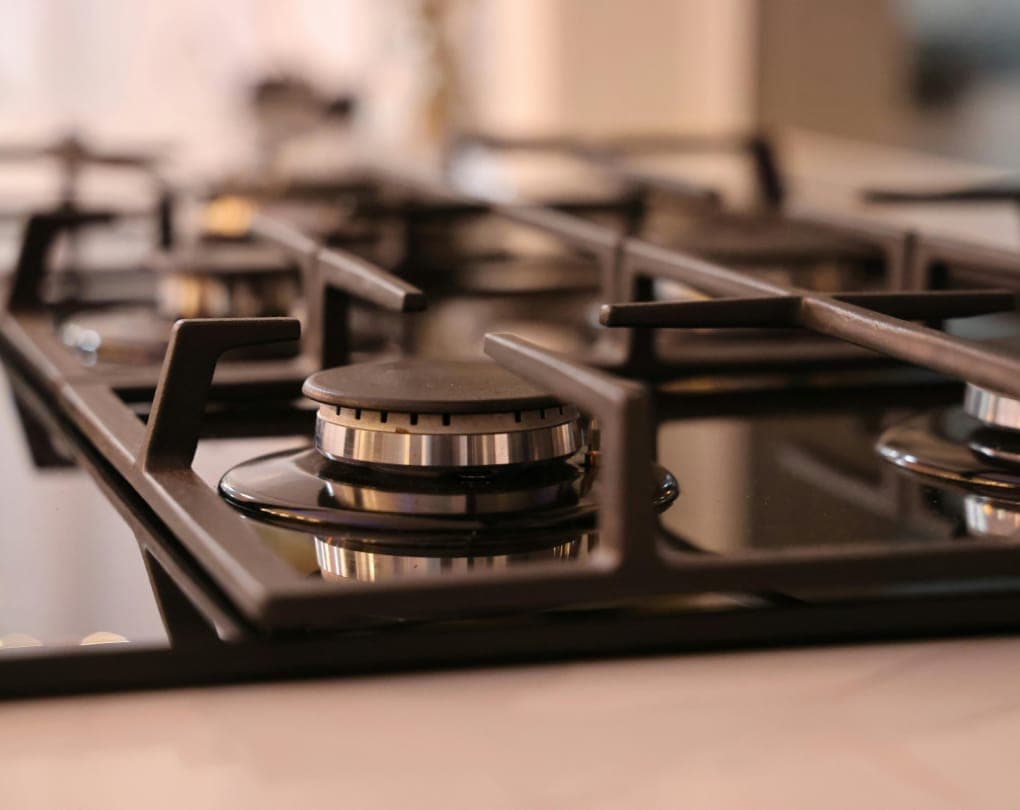
Yes, you can have a gas stove in some Canadian condos, but it depends on the building’s infrastructure, safety regulations, and the condo corporation’s rules. Many condo buildings simply were not designed with gas service to individual units, which means installing a gas stove may not be possible without significant structural changes.
Before considering a gas appliance upgrade, it’s important to understand how condominium infrastructure and governance affect what owners can install inside their units.
Why Gas Stoves Are Not Common in Condos
Gas stoves require a dedicated natural gas line connected to the building’s gas supply. In detached homes, this is relatively straightforward, but in condo buildings, the gas infrastructure must already be built into the system.
Many high-rise condos in Canada were designed with electric cooking appliances because they are easier to manage across large buildings. Gas lines introduce additional safety considerations, including ventilation, fire risk, and ongoing inspection requirements.
If your building does not already supply gas to individual units, installing a gas stove may not be permitted. Running new gas lines through shared infrastructure typically requires extensive modifications to common elements.
Guidance on multi-unit residential buildings explains that mechanical and utility systems are designed and maintained collectively, which limits individual modifications that affect shared infrastructure.
Condo Rules and Appliance Restrictions
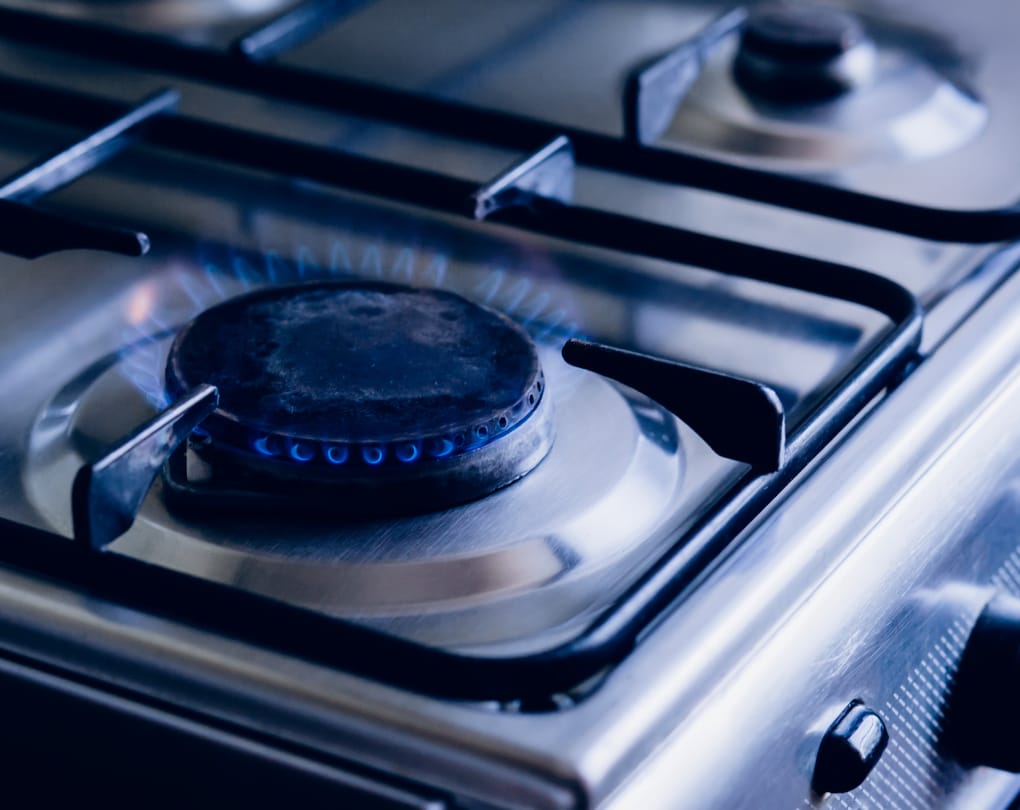
Even if gas lines exist in the building, the condo corporation may still regulate which appliances owners can install.
Condominium declarations and bylaws often include rules related to:
- Gas appliance installation
- Ventilation requirements
- Fire safety compliance
- Building insurance requirements
Because gas appliances introduce safety risks, many condo corporations require professional installation and proof that the appliance meets provincial building and safety codes.
In provinces such as Ontario, condo boards have the authority to regulate alterations within units if they affect safety or shared systems under legislation like the Condominium Act.
Ventilation and Safety Requirements
Proper ventilation is one of the biggest challenges with gas stoves in condos. Gas combustion produces carbon monoxide and other byproducts that must be safely vented.
Older buildings that were not designed with dedicated ventilation systems may not meet current safety standards for gas cooking appliances.
Modern building codes often require:
- Proper range hood ventilation
- Carbon monoxide detectors
- Gas shutoff valves
- Professional installation and inspection
Gas appliances must meet provincial safety standards. In Ontario, oversight is handled by the province’s technical safety regulator, with similar agencies responsible for gas safety across Canada.
Insurance and Liability Considerations
Installing a gas appliance may also affect insurance coverage.
If a gas stove is improperly installed and causes a fire or gas leak, the liability could extend beyond the individual unit. Damage in condo buildings can spread quickly to neighbouring units or common areas.
Most condo corporations carry a master insurance policy covering common elements, but individual owners remain responsible for upgrades within their unit.
The Insurance Bureau of Canada explains that condo owners should notify their insurer when installing major appliances or making significant upgrades that could affect risk exposure.
When Gas Stoves Are More Likely to Be Allowed

Gas stoves are more common in certain types of condos, including:
- Low-rise or townhouse-style condominiums
- Luxury buildings designed with gas service
- Older buildings originally built with gas appliances
- Units with existing gas lines and ventilation systems
In these cases, replacing an existing gas stove is usually straightforward, as long as the installation follows safety guidelines.
However, converting from electric to gas in a building that lacks gas infrastructure is rarely approved.
What If Your Condo Does Not Allow Gas Stoves?
If your building prohibits gas appliances or lacks gas lines, installing one may simply not be possible.
Instead, many condo owners opt for modern electric or induction stoves. Induction cooktops in particular offer precise temperature control and energy efficiency, making them a popular alternative in condo kitchens.
Because they do not require gas lines or combustion ventilation, they are far easier to approve within shared residential buildings.
What This Means for Condo Owners
Having a gas stove in a condo in Canada is possible in some buildings, but only when the infrastructure and condo rules allow it.
Before planning an installation, owners should review the condo declaration, confirm whether gas service exists in the building, and obtain approval from property management.
In condominium living, mechanical upgrades affect shared systems and building safety. Approval is not just about preference; it’s about protecting the entire building.
Can You Have a Treadmill in a Condo?


