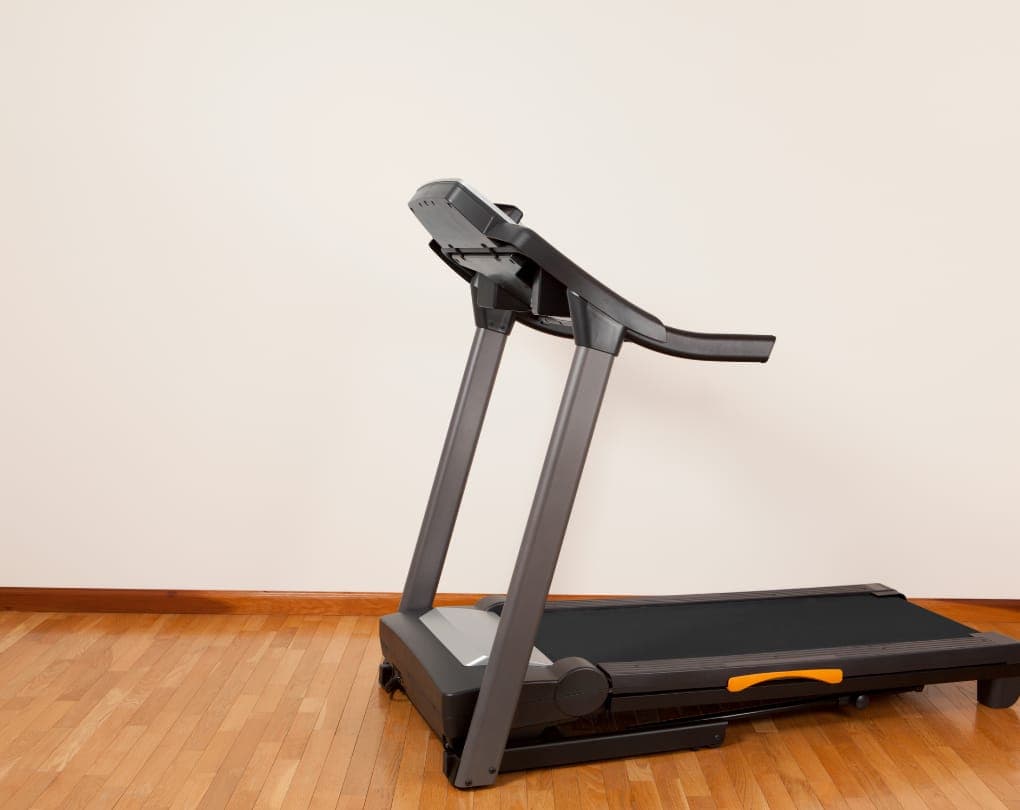
Yes, you can usually have a treadmill in a condo, but there are important considerations related to noise, vibration, and building rules. While most condo corporations do not prohibit exercise equipment outright, treadmills can generate significant vibration that may disturb neighbouring units.
Because condos involve shared floors, ceilings, and structural slabs, even normal exercise activity can lead to complaints if proper precautions are not taken.
Before setting up a treadmill in your unit, it’s worth understanding how condo rules and nuisance regulations apply.
Condo Rules and Fitness Equipment
Most condo governing documents, including the declaration, bylaws, and rules, do not specifically ban treadmills. However, they often include clauses that prohibit activities causing excessive noise or vibration.
These nuisance provisions allow condo boards to intervene if equipment disrupts other residents’ reasonable enjoyment of their units.
In Canada, condominium legislation gives boards the authority to enforce these rules when necessary. For example, in Ontario, the Condominium Act allows condo corporations to address disturbances that interfere with neighbouring units.
This means treadmills themselves are usually allowed, but how and when they are used matters.
Why Treadmills Cause Complaints

Unlike stationary bikes or weights, treadmills produce repeated impact as the runner’s feet strike the belt. That force transfers into the floor and can travel through the building structure.
In multi-story buildings, the vibration may be heard or felt in the unit below. Even well-built concrete buildings can transmit sound through structural slabs.
The most common issues reported by neighbours include:
- Impact noise from running
- Vibration through floors and ceilings
- Early morning or late-night workouts
When these disturbances become frequent, residents may file complaints with property management.
Weight and Structural Considerations
Another factor is the weight of the treadmill itself.
Most residential treadmills weigh between 200 and 350 pounds, and the total load increases significantly when someone is running on it.
While condo floors are designed to support normal residential loads, concentrated vibration in one location can amplify sound transmission.
In multi-unit buildings, structural systems are shared between units. That means activities in one condo can sometimes be heard or felt in neighbouring units through sound and vibration.
This is why vibration control is important.
How to Reduce Treadmill Noise in a Condo

Condo owners can take several steps to minimize disturbance and reduce the likelihood of complaints.
Use Anti-Vibration Mats
Rubber equipment mats absorb impact and prevent vibration from transferring directly into the floor.
Choose the Right Location
Placing a treadmill away from shared walls and directly over structural support areas can reduce sound transmission.
Limit Workout Hours
Avoid running early in the morning or late at night when buildings are quieter, and noise travels more easily.
Maintain the Equipment
A poorly maintained treadmill can become louder over time due to worn belts or loose components.
Taking these precautions often prevents issues before they arise.
What Happens if Neighbours Complain?
If treadmill noise becomes a recurring issue, property management may contact the unit owner and request changes to how the equipment is used.
Possible actions can include:
- Limiting workout hours
- Adding vibration protection
- Relocating the treadmill within the unit
In rare cases where disturbances continue, condo corporations may enforce nuisance rules under provincial condo legislation.
The Reality of Treadmills in Condo Living
Having a treadmill in a condo is generally allowed in Canada, but responsible use is essential.
Because running produces vibration that can travel through building structures, owners should take steps to reduce noise and avoid disturbing neighbours.
Before installing a treadmill, it’s wise to review your condo rules and speak with property management if you have concerns.
With proper placement, vibration control, and reasonable workout hours, most condo owners can exercise comfortably without causing problems in the building.


