
Who pays for window replacement in a condo? Learn how condo window replacement responsibility works between owners and condo corporations in Canada.
In most Canadian condominiums, the condo corporation is responsible for replacing exterior windows because they are considered part of the building’s common elements. However, there are exceptions. Responsibility ultimately depends on how the condominium’s declaration defines ownership boundaries and maintenance obligations.
If you’re wondering who pays for window replacement in a condo, the answer is not always as simple as “the board” or “the owner.” It depends on whether the windows are classified as common elements, exclusive-use common elements, or part of the unit itself.
Understanding condo window replacement responsibility can prevent costly disputes.
How Condo Ownership Is Structured
When you purchase a condo in Canada, you own your individual unit and share ownership of common elements such as hallways, roofs, structural walls, and exterior components.
Windows are typically considered part of the exterior envelope of the building. Because they affect structural integrity, insulation, and overall building performance, they are often classified as common elements. In these cases, the condo corporation is responsible for maintenance and replacement.
Condominium governance and shared responsibility are governed by provincial legislation. Educational resources explaining how common elements are defined can be found through organizations like the Canadian Condominium Institute, which guides owners across Canada.
When the Condo Corporation Pays
In most mid-rise and high-rise buildings, exterior windows are part of the common elements. That means:
- The condo corporation arranges and oversees replacement.
- The cost is paid through the reserve fund.
- Owners contribute indirectly through condo fees.
Window replacement is typically planned years in advance as part of the building’s reserve fund study. Because windows are major capital components, corporations budget for full-building replacement rather than replacing them individually.
Even if the window is located within your unit, if it forms part of the building’s exterior wall system, it is usually the corporation’s responsibility.
When the Owner May Be Responsible
There are situations where the unit owner may pay.
In some townhouse-style or low-rise condo developments, windows may be classified differently. Certain declarations define windows as part of the unit rather than common elements. In those cases, owners are responsible for maintenance and replacement.
Another scenario involves owner-caused damage. If a window is broken due to negligence, for example, impact damage or improper installation of aftermarket window coverings, the owner may be responsible even if the window is technically a common element.
Additionally, if an owner chooses to upgrade to higher-end windows outside of a corporation-wide replacement schedule, that cost would typically fall to the owner.
The only definitive way to know is to review the condominium declaration and bylaws.
What About Repairs vs Full Replacement?

Responsibility may also differ between minor repairs and full replacement.
In some buildings, thecorporation handles structural window replacement but expects owners to maintain interior components such as:
- Window cranks
- Interior trim
- Weather stripping
- Screens
The distinction often lies between exterior structural components and interior finishing elements.
If condensation, drafts, or seal failure occurs, it is important to report the issue to property management promptly to determine responsibility.
How Reserve Funds Affect Window Replacement
If the condo corporation is responsible for window replacement, the cost is typically funded through the reserve fund. Owners contribute to this fund monthly through condo fees.
A well-funded reserve reduces the likelihood of special assessments when large projects such as window replacement arise.
However, if the reserve fund is underfunded, the board may issue a special assessment to cover the cost. In that case, owners would pay directly, even though the responsibility technically belongs to the corporation.
Before purchasing a condo, reviewing the reserve fund study can provide insight into whether window replacement is anticipated and financially planned.
Insurance Considerations
Window replacement responsibility is separate from insurance coverage.
If a window is damaged due to an insured peril, such as a storm or accidental impact, the condo corporation’s master policy may respond if the window is a common element.
However, if interior damage results from the window failure, such as water entering your unit, your personal condo insurance policy may cover interior finishes and belongings.
Understanding how personal insurance interacts with the building’s master policy is essential. The Insurance Bureau of Canada provides guidance on how condo insurance complements corporate coverage in situations involving structural components and interior damage.
Townhouse-Style Condos vs High-Rise Buildings
Responsibility can vary more often in townhouse-style condos.
In these developments, windows may be classified as exclusive-use common elements or even part of the unit. In those cases, owners may bear maintenance responsibility even though the exterior appearance must conform to building standards.
High-rise buildings more commonly treat windows as shared structural components, making the corporation responsible.
Because classification varies by development, never assume responsibility based solely on building type.
Understanding Window Replacement Responsibility
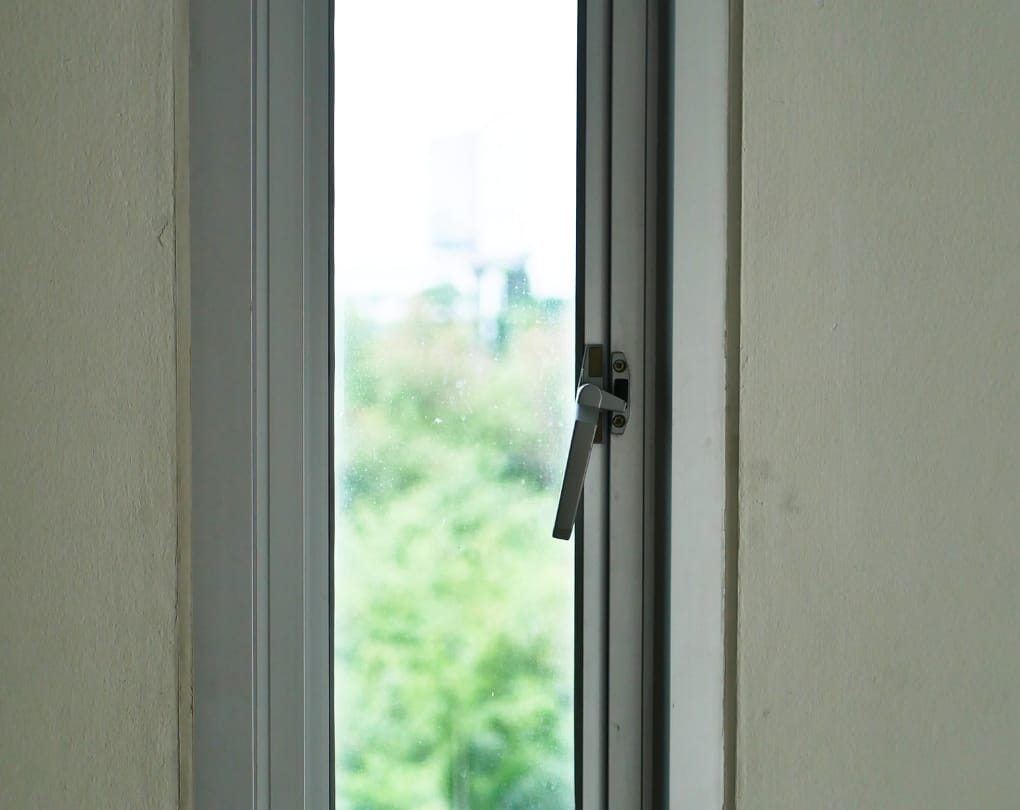
In most Canadian condos, the corporation pays for window replacement because exterior windows are classified as common elements. However, exceptions exist, especially in townhouse-style developments or where declarations define windows differently.
If you own a condo or are considering buying one, review the declaration carefully and confirm with property management:
- Are windows common elements?
- Is the replacement funded through the reserve?
- Are interior components the owner’s responsibility?
- Is window replacement scheduled in the reserve study?
Clarity upfront prevents disputes and unexpected costs later.


