
In most Canadian condominiums, the condo corporation is responsible for structural issues because structural components are classified as common elements. This typically includes the foundation, load-bearing walls, roof structure, exterior walls, balconies (in many cases), and major building systems. However, responsibility can vary depending on how the condominium’s declaration defines unit boundaries and common elements.
If you’re asking who is responsible for structural issues in a condo, the answer usually points to the corporation, but there are important exceptions and nuances every owner should understand.
How Structural Responsibility Works in Condos
When you purchase a condo in Canada, you own your individual unit while sharing ownership of the building’s common elements with other residents. Structural components are almost always part of these common elements because they support and serve the entire building.
Structural elements typically include:
- Foundation and footings
- Load-bearing walls
- Roof structure
- Exterior cladding
- Structural beams and columns
- Parking garage slabs
Because these components affect the integrity and safety of the entire property, they fall under the maintenance and repair obligations of the condo corporation.
Condominium governance and maintenance responsibilities are established under provincial condominium legislation. Each province outlines how corporations must manage common elements and maintain building safety.
When the Condo Corporation Pays
In most situations, structural repairs are funded by the condo corporation through:
- Monthly condo fee contributions
- The reserve fund
- Special assessments if necessary
Reserve funds are specifically designed to pay for major capital repairs, including structural rehabilitation projects. A well-funded reserve reduces the likelihood of sudden financial burdens on owners.
If a structural issue develops, such as concrete deterioration in a parking garage or foundation settlement, the corporation is typically responsible for hiring engineers, arranging repairs, and funding the project.
Owners contribute indirectly through condo fees.
When Owners May Be Involved Financially
Even though the corporation is responsible for structural repairs, owners may still feel the financial impact.
If the reserve fund does not have enough money to cover major structural work, the board may issue a special assessment. This requires owners to contribute additional funds beyond regular condo fees.
For example, if significant structural damage is discovered during an engineering review, owners may be asked to pay a lump sum or increased monthly fees to cover repair costs.
The corporation remains responsible for organizing the repair, but owners share the cost collectively.
What About Damage Inside the Unit?
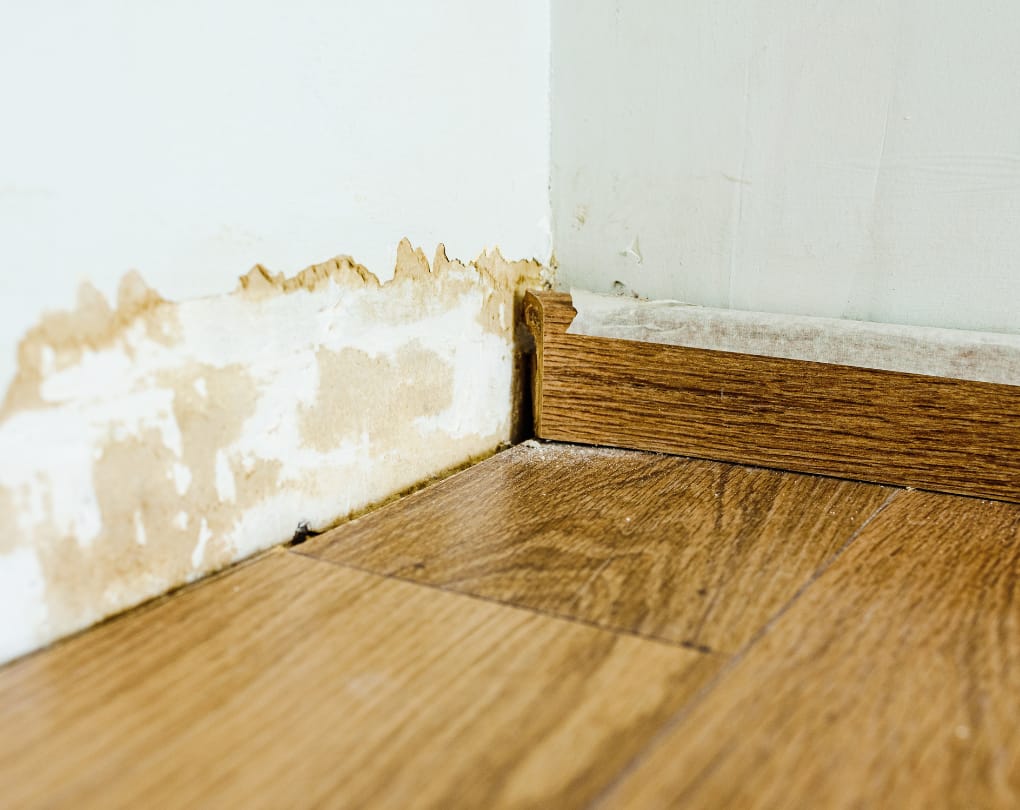
Structural issues can sometimes cause damage inside individual units. For example, foundation shifting may crack drywall, or exterior wall deterioration may allow water intrusion.
In these cases, the structural repair itself is usually the corporation’s responsibility. However, restoring interior finishes inside the unit may depend on the condo’s insurance structure and how “standard unit” finishes are defined.
Most condo corporations carry a master insurance policy covering the building’s structure and standard unit components. Personal upgrades and improvements are typically covered under the owner’s individual condo insurance policy.
Understanding how these policies interact is important. The Insurance Bureau of Canada provides helpful explanations of how condo insurance complements a building’s master coverage in situations involving structural damage and interior loss.
Townhouse-Style Condos vs High-Rise Buildings
Structural responsibility can vary slightly depending on the type of development.
In high-rise buildings, structural components are almost always classified as common elements and maintained by the corporation.
In townhouse-style condominiums, responsibility can be more complex. Some declarations define certain exterior elements, including portions of walls or foundations, differently. In rare cases, owners may have maintenance responsibilities for structural components within their specific unit boundaries.
This is why reviewing your condominium declaration is essential. The declaration legally defines what is considered a common element versus unit property.
Developer Responsibility in New Condos
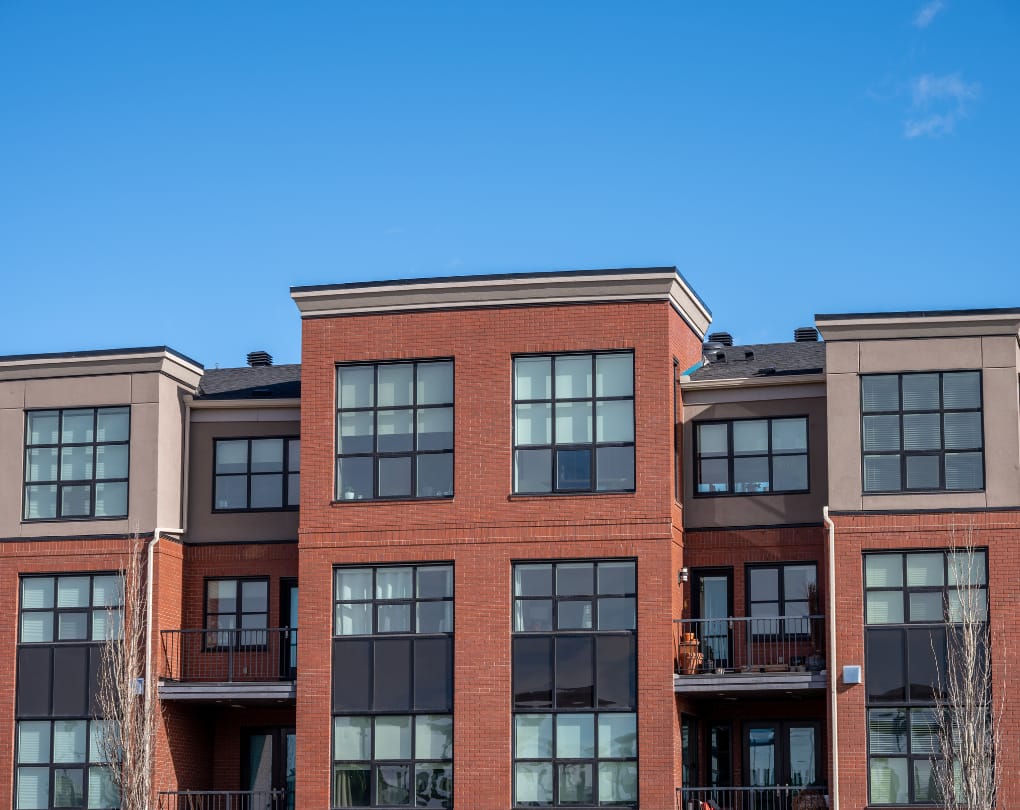
For newly built condos, structural defects may fall under builder warranties.
In many provinces, new construction is covered by mandatory home warranty programs. For example, structural defects discovered within a defined warranty period may be covered under provincial new home warranty legislation.
Once warranty coverage expires, long-term structural maintenance becomes the responsibility of the condo corporation.
Negligence and Structural Damage
While structural components are typically corporate responsibility, negligence can shift liability.
If an owner performs unauthorized renovations that compromise a load-bearing wall or structural element, that owner could be held financially responsible for resulting damage.
Structural modifications in condos usually require board approval and engineering review for this reason.
How to Confirm Structural Responsibility
If you’re concerned about structural issues in your condo, take the following steps:
Review the condominium declaration and bylaws to confirm how structural components are classified.
Request a copy of the most recent reserve fund study to see whether structural repairs are anticipated.
Speak with property management about any known engineering reports or ongoing remediation projects.
Understanding the financial health of the corporation and the state of the reserve fund is critical before purchasing a condo.
Understanding Structural Responsibility in Condos
In most Canadian condominiums, structural issues are the responsibility of the condo corporation because structural components are classified as common elements. However, owners share the financial burden indirectly through condo fees and, in some cases, special assessments.
Damage inside the unit may involve both the corporation’s master policy and the owner’s personal insurance, depending on how the declaration defines standard finishes.
If you own or are considering buying a condo, reviewing the declaration and reserve fund study will give you clarity on structural repair responsibility and potential financial exposure.
Frequently Asked Questions
Who is responsible for structural issues in a condo? Typically, the condo corporation owns structural components because they are considered common elements.
Do owners ever pay for structural repairs? Yes, indirectly through condo fees or special assessments if the reserve fund is insufficient.
Are foundations and load-bearing walls common elements? In most cases, yes.
What happens if structural damage affects my unit's interior? The corporation usually repairs the structural issue, while interior finishes may involve insurance.
Should I review the reserve fund before buying? Yes. It shows whether the corporation is financially prepared for major structural repairs.


