
Determining who is responsible for mould in a condo in Canada depends on where it started and what the condo's rules say. Responsibility can be shared between the unit owner, the tenant, and the condo corporation. Getting the wrong answer can be very expensive and stressful. Understanding your role from the start is the smartest thing you can do.
Mould disputes arise because multiple parties can be involved, and the rules are not always clear. The three main parties with unique roles are the unit owner, the tenant, and the condo corporation. The sections below explain how responsibility is assigned, what the law says, and who bears repair costs.
Understanding Who Is Responsible for Mould in Condo Canada
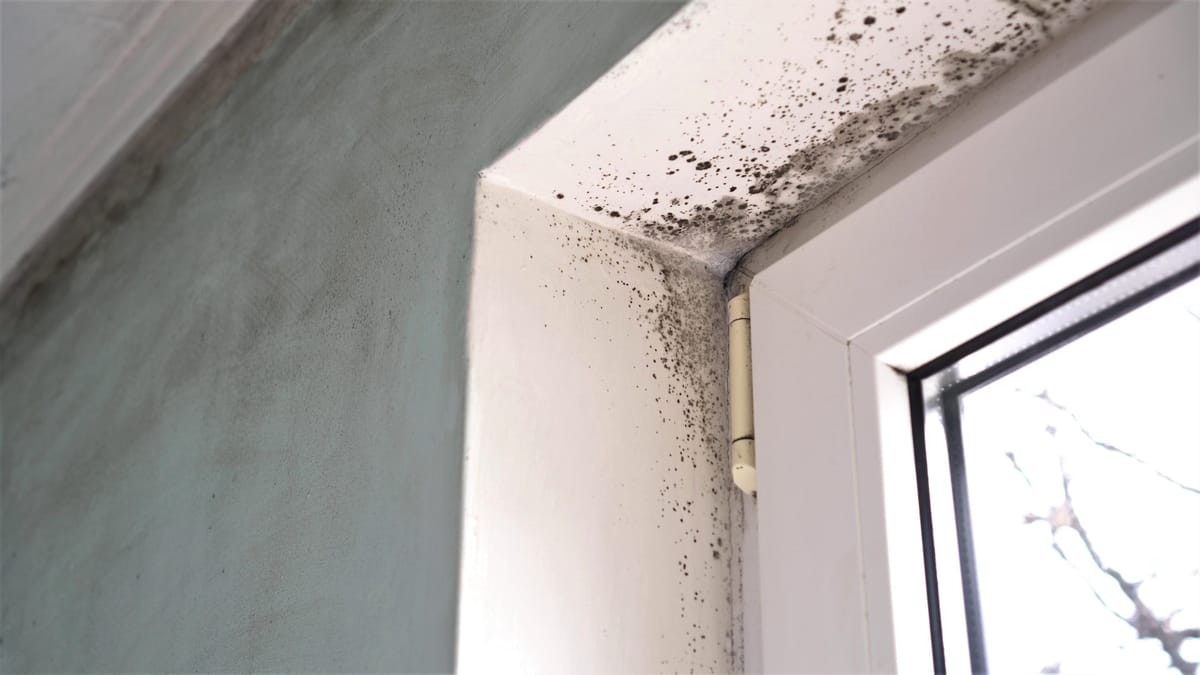
Mould responsibility in a condo is often shared or disputed because moisture can come from various sources. Moisture from leaks or poor building maintenance falls under the condo corporation's duties, while unit owners are responsible for keeping their individual spaces dry and well-maintained. Additionally, tenants may share responsibility depending on their lease and daily habits. Provincial laws, condo declarations, and bylaws all play a role in deciding who pays.
What Causes Mould to Grow Inside a Condo Unit
Mould needs moisture to grow, and condos can create the right environment for it when small problems are ignored.
The following are the most common causes:
- Leaks, poor ventilation, or high indoor humidity can introduce moisture that mould needs to spread.
- Everyday habits, such as cooking without an exhaust fan or drying clothes indoors, can increase moisture levels over time.
- Small water problems, such as a dripping tap or a slow leak, can lead to significant mould growth if not addressed promptly.
- According to Health Canada,moisture is the leading contributor to indoor mould in residential buildings.
How Condo Rules and Laws Define Condo Mould Responsibility Ontario
In Ontario, mould responsibility is shaped by the Condominium Act, condo declarations, and bylaws.
How duties are divided:
- Condo declarations and bylaws spell out which maintenance responsibilities fall to the unit owner and which to the corporation.
- The condo corporation manages shared spaces, such as hallways, mechanical rooms, and the building structure.
- Unit owners are expected to manage repairs inside their own unit, including damage caused by their own actions.
Common Situations That Help Determine Mould in Condo Units
The mould's starting point usually determines who is responsible.
Consider these scenarios:
- If mould starts from a leaking pipe in a common wall, the condo corporation is responsible.
- If mould develops due to an owner's neglect or poor ventilation practices, the unit owner may be liable.
- If a tenant caused the problem due to poor habits or failure to report a leak, responsibility may fall on the tenant or landlord, depending on the lease.
Insurance Costs and Fixing Mould Problems in Condo Units
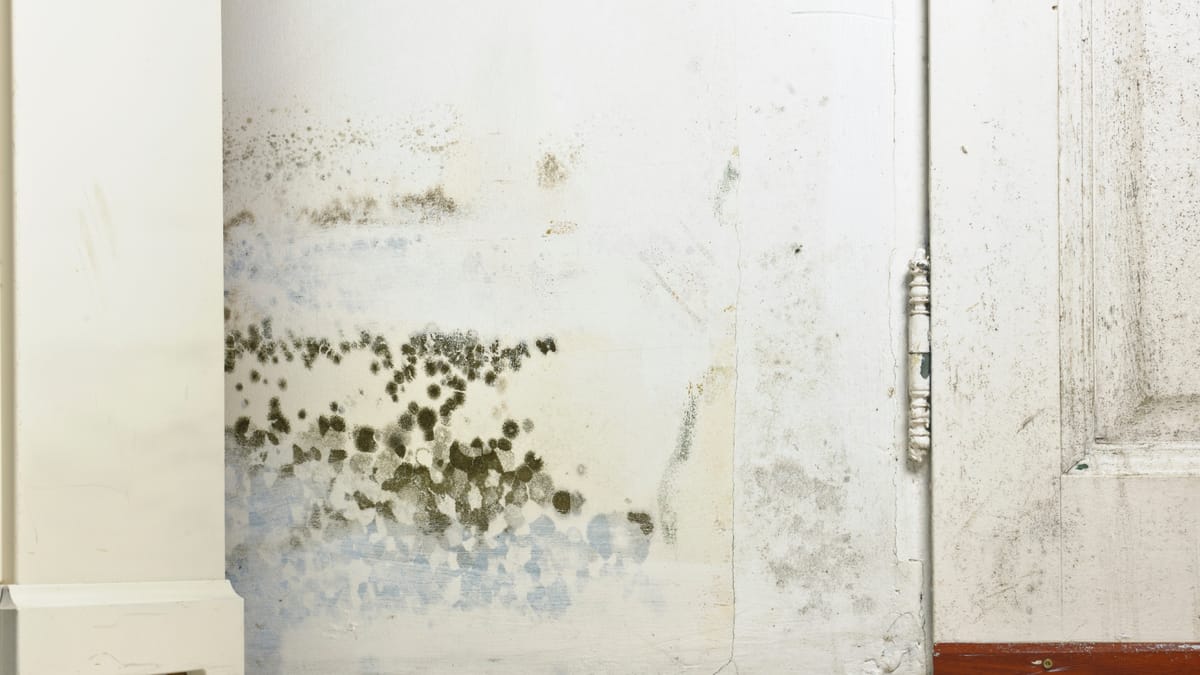
Mould cleanup is rarely cheap, and professional remediation can catch many condo owners off guard. How insurance policies and condo documents work together determines who will be paying for repairs when mould is discovered.
Understanding Mould Remediation Costs in Condo Buildings
Fixing mould in a condo involves more than wiping down a wall, and the process can be lengthy and costly. What remediation typically includes:
- A full remediation job involves inspection, containment, removal, drying, and repairs to the damaged area.
- The average mould remediation cost in Canadaranges between $1,223 and $3,751, with whole-house removal potentially exceeding $10,000.
- Professional remediation is strongly recommended because improper removal can spread mould spores throughout the building.
How Insurance Claims Work for Condo Mould Damage
Insurance coverage for mould is not automatic, and both unit owners and condo corporations need to understand their policies.
How claims work:
- A unit owner's personal condo insurance may cover mould damage if it is caused by a sudden insured event, such as a burst pipe.
- The condo corporation's master policy may apply when mould comes from shared systems or common property.
- Insurance companies investigate the source of mould before approving any claim, so documenting the problem early is important.
When Owners, Tenants, or Condo Corporations Pay for Mould Repairs
Who pays usually comes down to who caused the problem or who ignored it.
Key rules are:
- The party found negligent or responsible for the lack of maintenance usually covers the cost of repairs.
- A condo board can legally charge a unit owner for repair costs if the damage originated in their unit.
- Tenants can be held financially responsible if their actions directly caused the mould problem.
- Water damage accounts forapproximately 50% of all home insurance claims in Canada, with mould being one of the most common complications.
What Condo Owners Should Know About Mould Responsibility in Canada
Reading your condo declaration and bylaws is the most direct way to understand your maintenance duties and avoid disputes. Provinces such as British Columbia and Alberta follow similar frameworks to Ontario, making this a nationwide concern for condo owners. Knowing where your responsibility ends and the corporation's begins can prevent a mould issue from turning into a legal battle. Your documents are the clearest guide you have, so make the most of them.
Moreover, prevention is your best protection against mould. Keep your unit ventilated, check under sinks regularly, and report leaks to your property manager right away. Never ignore condensation on windows or walls, as small moisture issues grow quickly. Acting early protects your health, your unit, and your money.
Who Is Responsible for Balcony Repairs in a Condo?


