
One of the most surprising aspects of buying a pre-construction condominium in Ontario is discovering that there are two separate closings, not one. The first is the interim occupancy closing, which allows you to move into your unit before you officially own it. The second is the final closing, when ownership is actually transferred to you. The gap between those two events is what the industry calls the interim occupancy period, and understanding exactly what it means for your finances and your rights is essential before you sign a pre-construction purchase agreement.
Why Does Interim Occupancy Exist?
When a condominium building is under construction, units on lower floors are typically completed months before units on higher floors. Rather than leaving finished units empty while the rest of the building is completed, builders allow buyers to take possession of their units on a floor-by-floor basis. However, ownership of a condo unit can only be legally transferred once the entire condominium corporation has been registered with the Land Registry Office, a process that can take months or, in some cases, close to a year after the first units are occupied.
As the Condominium Authority of Ontario explains, interim occupancy occurs when the builder lets the buyer take occupancy of the unit before the declaration has been registered and title can be transferred. During this period, you are legally considered an occupant, not an owner, even though you may be living in the unit.
What Are Interim Occupancy Fees?
The most financially significant aspect of the interim occupancy period is the monthly fee you are required to pay the builder from the date you take occupancy until the final closing. These fees are often referred to as phantom rent, and for good reason. They do not reduce your purchase price, they do not go toward your mortgage, and they do not build equity. They are simply the cost of occupying a new condo before you own it.
Under the Ontario Condominium Act, these monthly fees have three components. The first is interest on the unpaid balance of the purchase price calculated at the Bank of Canada's prescribed rate for conventional one-year mortgages. The second is the estimated monthly property taxes for the unit. The third is projected common expense fees for the unit. Crucially, as Mondaq's legal analysis notes, builders are strictly prohibited under section 80(4) of the Condominium Act from profiting off these fees, which are intended only to cover the developer's carrying costs during this period.
How Long Does Interim Occupancy Last?
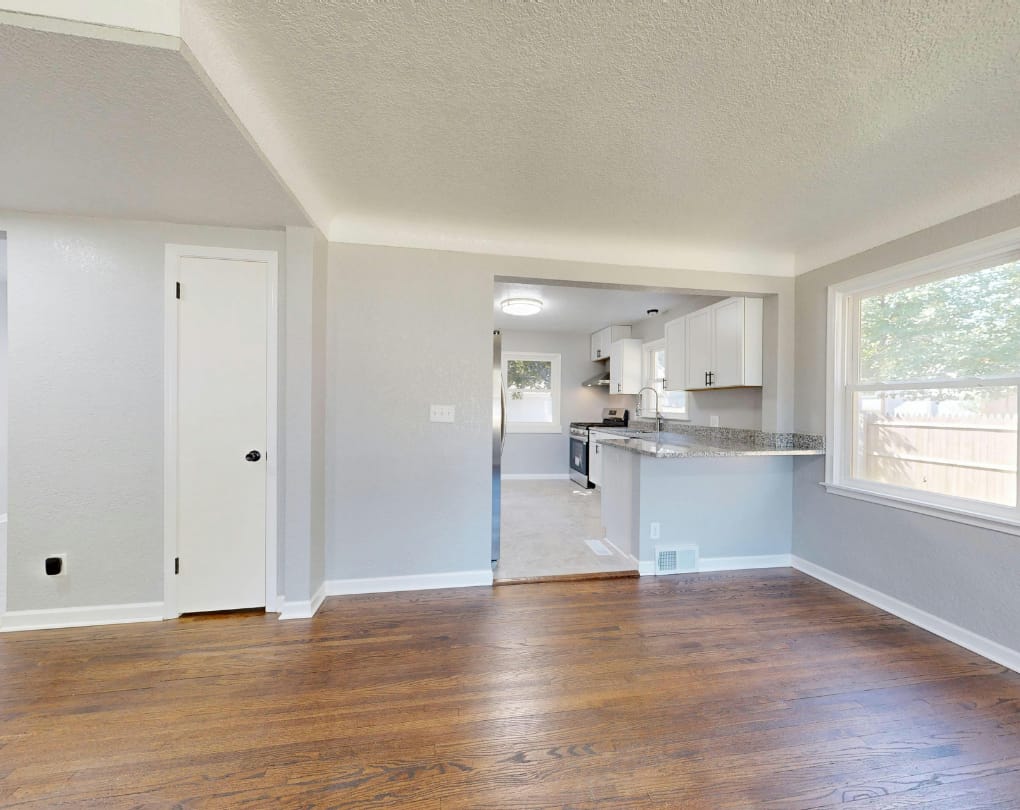
The length of the interim occupancy period varies depending on the building and which floor your unit is on. Lower floor units typically have longer periods because the building still has considerable construction remaining above them. Upper-floor and penthouse units are often completed last, so their occupancy periods tend to be shorter. According to Tarion's guide to interim occupancy, the period commonly lasts between six and twelve months, though it can extend beyond that in complex or large-scale developments.
What Happens at Final Closing?
Final closing is when the condominium corporation is registered, ownership of individual units is transferred to buyers, and the legal relationship between the builder and the buyer comes to an end. At this point, interim occupancy fees stop, your mortgage comes into effect, land transfer taxes are paid, and legal title is registered in your name. The warranty on the common elements of the building also begins at the final closing.
Because pre-construction condos involve two closings, buyers incur legal fees twice, once at the interim closing and once at the final closing. Budgeting for both sets of legal costs is an important part of financial planning when buying a new condo in Canada.
Can You Rent Your Unit During Interim Occupancy?
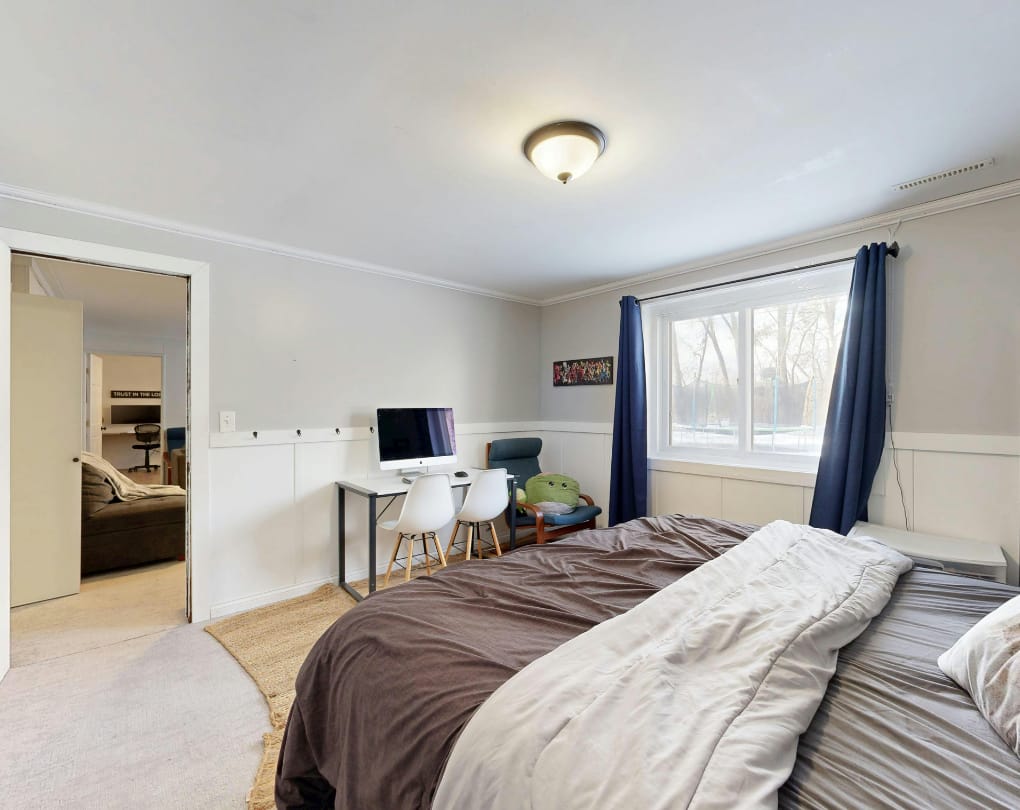
The answer is: only if your builder has given written permission. Because you do not legally own the unit during the interim period, you cannot rent it out without the developer's authorization. The best time to negotiate the right to lease during this phase is before you sign the purchase agreement. Permission can be written into the Agreement of Purchase and Sale if the developer agrees. Attempting to rent without authorization puts you in breach of the purchase agreement and can have serious consequences.
HST Rebate Implications
If you plan to rent your unit during interim occupancy rather than occupy it as your principal residence, the HST rebate implications change significantly. Owner-occupiers may be eligible for the HST new housing rebate as an end user, while investors who rent the unit must apply as investors. The rebate structure differs, and the tax consequences can be substantial. Consulting a real estate lawyer or accountant before making this decision is strongly recommended.
Tips for Managing the Interim Occupancy Period
Buyers approaching the interim occupancy period for the first time should take several practical steps. First, read your purchase agreement carefully. The fee structure and the estimated occupancy date should be clearly laid out, and your lawyer should review these before signing. Second, budget for at least 12 months of interim occupancy fees on your new condo alongside any other housing costs you are carrying. Third, register on Tarion's MyHome portal as soon as you take occupancy and submit your 30-Day Warranty Form to capture any deficiencies noted at move-in. Fourth, avoid signing any amendments sent by the builder without first consulting your lawyer.
The interim occupancy period is a standard and unavoidable part of buying a new condominium in Ontario. Understanding it before you purchase, not after you receive your occupancy notice, is the difference between being financially prepared and being caught off guard.


