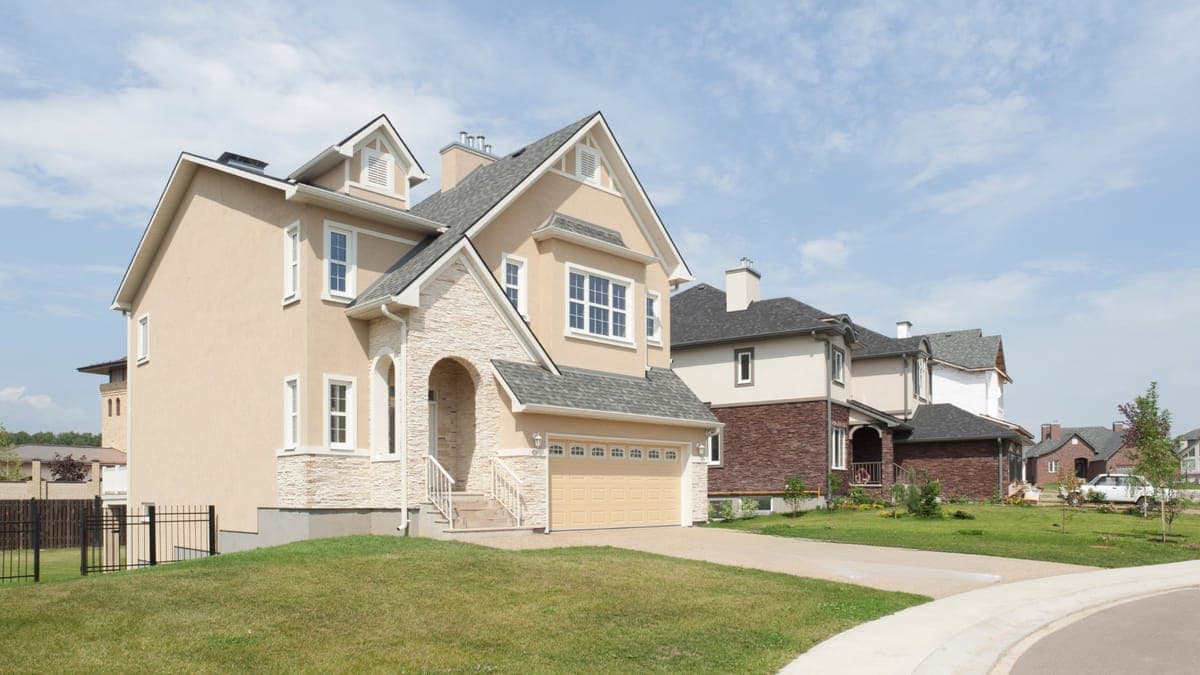
Buying a home can be overwhelming, let alone understanding what a bare land condo really is. Essentially, a bare land condo is a type of property where you own the land your home sits on, but not the shared roads, services, or spaces. These shared areas are owned and managed by a condo corporation, which helps keep the community running smoothly.
Unlike an apartment-style condo, the building on the land is usually a house, townhouse, or duplex. You are responsible for your own structure, yard, and driveway. At the same time, the condo corporation handles the things that everyone uses together. This setup is common in suburban and growing communities where people want more space but still enjoy shared services.
This ownership model gives buyers more control than a traditional condo. Many Canadians choose a bare land condo because of its shared management benefits.
Understanding Bare Land Condo Bylaws
Bare land condo bylaws are the rules that govern how owners can use their land and shared spaces. These rules also set out maintenance duties, fees, and what is allowed within the community.
Why Bare Land Condo Bylaws Matter for Owners
Bare land condo bylaws guide how each owner uses and maintains their property. They explain what you are responsible for, such as lawn care, snow removal, and building upkeep. Clear rules help everyone understand their role in keeping the neighbourhood clean and functional.
Bylaws also help prevent conflicts between neighbours by setting clear limits on noise, building changes, and property use. They protect safety and order by requiring standards for fences, parking, and repairs. In Canada, these bylaws are enforced under provincial condominium laws, such as those outlined by government housing authorities.
Key Rules You Should Know in Bare Land Condo Bylaws
Owners are usually responsible for maintaining their own lot, including the home, driveway, and landscaping within their boundaries. Shared areas, such as private roads, lighting, and visitor parking, are maintained collectively through condo fees.
Additionally, most bare land condo bylaws require approval before making changes to the exterior of your home or lot. This includes decks, sheds, fences, or significant landscaping changes. These limits exist to ensure changes do not affect drainage, safety, or the overall look of the community.
Community behaviour rules are also crucial in protecting property values. These set clear expectations for how residents interact. To support a stable neighbourhood, bylaws consist of regulations that address the following:
- Noise limits that reduce disruptions and support a quiet, respectful living environment.
- Pet guidelines that promote safety, cleanliness, and responsible ownership.
- Parking rules that prevent congestion and keep roads and driveways accessible.
- Waste and recycling standards that maintain cleanliness and reduce health concerns.
- Limits on outdoor storage or visible items that help preserve a neat and uniform appearance.
Exploring Bare Land Condos Across Canada
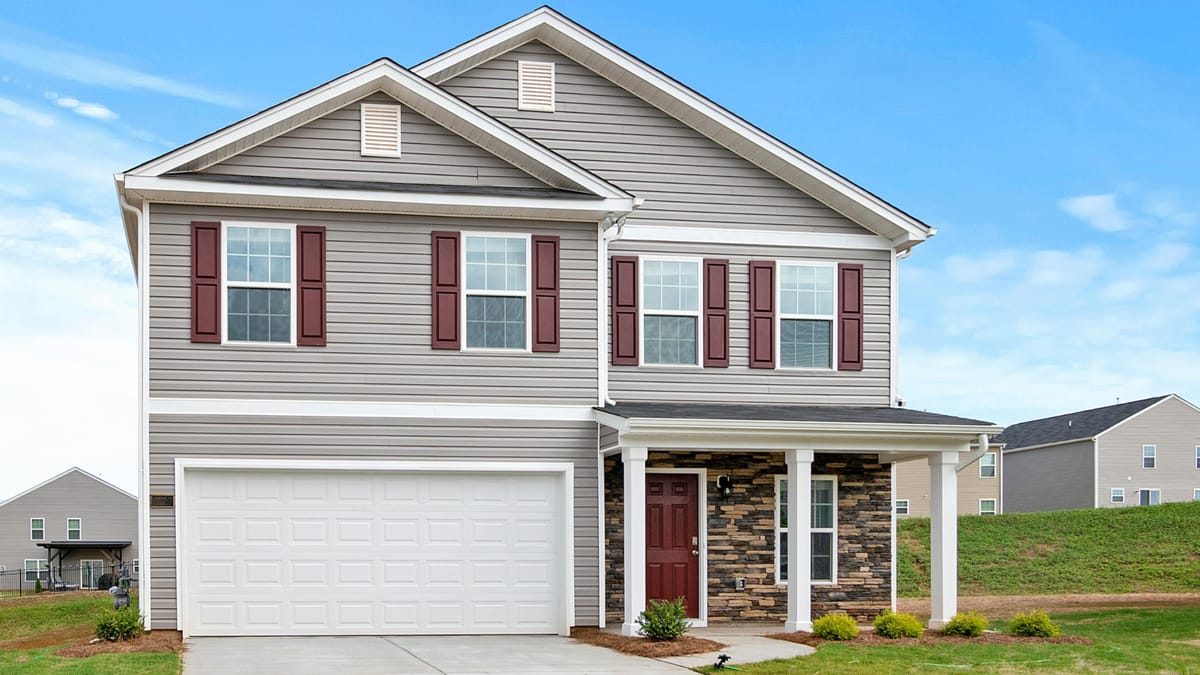
Bare land condos are found in many provinces and are designed to offer homeownership with shared community management. While the structure is similar nationwide, rules and responsibilities vary by province and condo corporation. Understanding how bare land condos in Canada work in different regions helps buyers choose a location that fits their budget, lifestyle, and long-term plans.
What Buyers Should Know About Bare Land Condo Ontario
In Ontario, bare land condos are commonly located in growing suburbs, planned communities, and townhouse-style developments. These neighbourhoods are often designed with shared roads, visitor parking, and green spaces managed by a condo corporation.
Bare land condos in Toronto exist in select areas, especially in newer or redeveloped zones. Buyers often see the following trends in these properties:
- Higher land values compared to smaller cities due to limited space.
- Smaller lot sizes that are designed to maximize land use.
- Strong demand from buyers seeking more privacy than apartment condos.
- Higher resale interest because of proximity to transit and amenities.
Furthermore, Ontario has clear local regulations and bylaws that govern how bare land condos operate. These bylaws define owner responsibilities, shared costs, and how rules can be enforced or changed. They all follow the Condominium Act, 1998, and are overseen by the Condo Authority of Ontario, which sets standards for governance and compliance.
For first-time buyers, bare land condos in Ontario can offer a lower-cost entry into homeownership compared to detached homes. Investors may also benefit from steady demand and predictable management structures that appeal to long-term tenants.
Bare Land Condo Saskatchewan Insights
Let’s move on to Saskatchewan. The bare land condos here are often managed by smaller condo corporations with simpler structures. Management usually focuses on shared infrastructure like roads, drainage systems, and lighting rather than building maintenance.
Maintenance responsibilities in Saskatchewan tend to be more owner-focused than in urban provinces. Owners are usually responsible for their homes, yards, and driveways, while shared services are limited and therefore cost less. This setup can reduce condo fees but requires owners to be more hands-on. Clear bylaws help define where owner duties end and shared responsibilities begin.
Bare land condos are especially appealing to suburban and rural buyers in Saskatchewan. This appeal is driven by several practical benefits:
- Larger lot sizes compared to urban condos.
- Lower purchase prices in smaller communities.
- Fewer restrictions on daily living.
- Reduced condo fees due to limited shared amenities.
- Greater privacy between neighbouring homes.
- Easier access to outdoor space for families and retirees.
What Makes a Bare Land Condo in Manitoba Unique
Manitoba has seen steady growth in bare land condos, especially around Winnipeg and nearby towns. New developments often focus on affordability and efficient land use. These communities appeal to buyers looking for space without high costs.
Generally, costs and maintenance expectations in Manitoba are straightforward and predictable. Owners should understand how expenses are divided and what they are responsible for. Typical considerations are:
- Monthly condo fees for shared roads and utilities.
- Personal responsibility for home and yard maintenance.
- Reserve fund contributions for long-term repairs.
- Snow removal or seasonal maintenance rules.
Thus, bare land condos support affordable homeownership in Manitoba by offering lower entry prices than detached homes. This model allows buyers to own land while sharing infrastructure costs, keeping the overall expenses manageable.
Bare Land Condo Pros and Cons
Bare land condos combine private land ownership with shared community rules and costs. Understanding both benefits and limitations helps buyers decide if this structure matches their goals.
Advantages of Bare Land Condos
While bare land condos offer more personal space than apartment-style units, they also reduce shared building maintenance compared to high-rise condos. This structure can provide a balance between independence and organized community living.
Key advantages include:
- Community management handles common areas efficiently.
- Good option for people seeking space and affordability.
- Promotes individuality and values privacy.
- Clear property boundaries for easier ownership planning.
- Structured rules that help protect neighbourhood standards.
Disadvantages of Bare Land Condos
Even with clear benefits, there are also challenges to think about before buying. Owners are responsible for more upkeep than in a traditional apartment-style condo, including yard work, snow removal, and some exterior repairs. At the same time, shared costs still apply through monthly condo fees, which help pay for roads, lighting, and other common areas. Buyers need to be ready for both personal maintenance duties and ongoing shared expenses.
Aside from that, bare land condos operate under strict bylaws that limit how owners use or change their property. These rules may restrict renovations, exterior colours, parking, fencing, or landscaping choices, which can reduce flexibility compared to a fully freehold home.
Comparing Bare Land Condos with Other Property Types
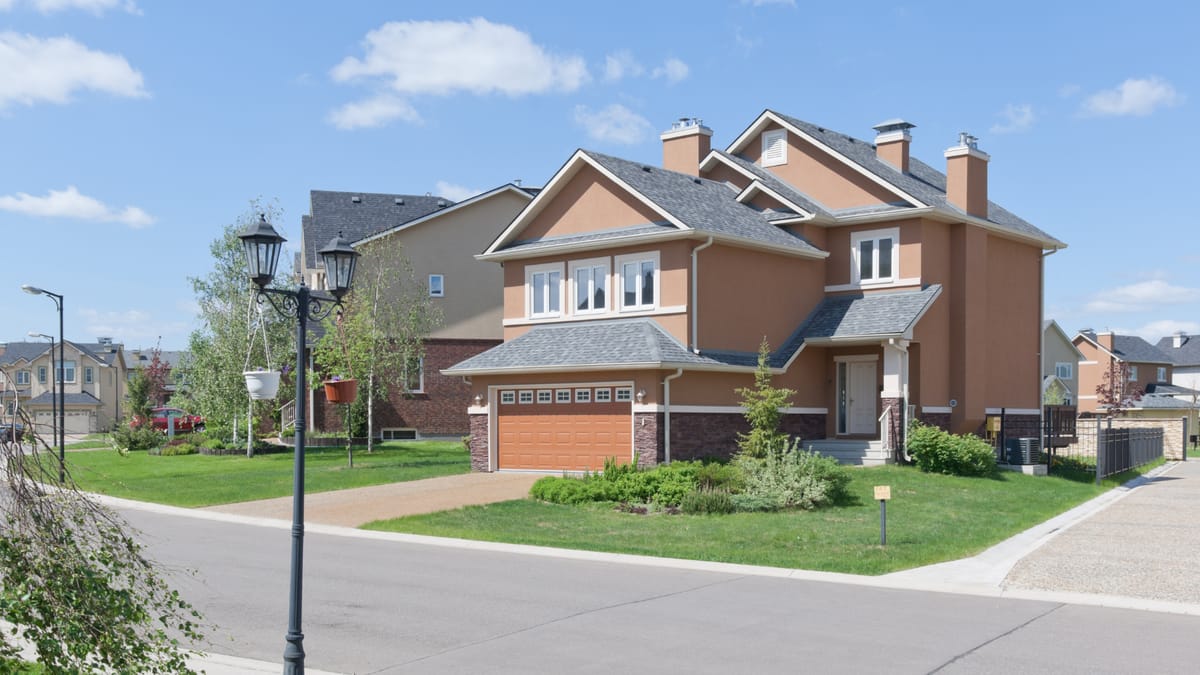
Different bare land condos can feel very different from other housing options. The key differences come from ownership structure and responsibility levels. Understanding these differences helps buyers avoid surprises.
Bare Land Condo vs Strata Ownership Explained
In bare land condos, you own the land. Meanwhile, strata ownership means owning part of a building. Shared areas are more limited in bare land communities.
Maintenance responsibilities and fees differ between these models. To compare costs and duties, consider these:
- Bare land owners maintain their own homes and lots.
- Strata owners rely more on the corporation for building upkeep.
- Bare land condo fees are often lower.
- Strata fees may include more amenities and services.
Buyers seeking privacy often prefer bare land condos, while those who value shared living and convenience may lean toward strata ownership. The right choice depends on lifestyle preferences and tolerance for maintenance.
Bare Land Condo vs Conventional Condo for Buyers
A bare land condo allows buyers to own the land and structure. In contrast, a conventional condo has ownership limited to the interior unit. This difference gives bare land owners more control over their property, but also more responsibility. Canadian condo law recognizes this distinction and requires separate bylaws to define maintenance and ownership boundaries.
Moreover, outdoor spaces in bare land condos are usually the owner’s responsibility. On the flip side, conventional condos rely on the condo corporation for most exterior maintenance. From an investment point of view, bare land condos may appeal to buyers seeking long-term land value, while conventional condos often attract buyers focused on rental convenience and urban locations.
Bare Land Condo vs Freehold Condo Benefits and Drawbacks
Ownership structure affects how much control you have over your property. Freehold owners control everything, while bare land condo owners follow shared rules.
Fees, shared amenities, and responsibilities also differ significantly. When comparing these options, buyers should consider the following:
- Condo fees cover shared infrastructure.
- Freehold owners pay all costs alone.
- Amenities are usually limited in bare land condos.
- Rules help maintain neighbourhood standards.
- Shared insurance may lower some risks.
- Long-term planning requires bylaw awareness.
With that, bare land condos provide moderate flexibility for customization within bylaw limits. Freehold condos allow greater freedom but place all maintenance and planning responsibilities on the owner. Buyers should balance control, cost, and long-term goals when choosing between these property types.
Making the Right Choice for Bare Land Condo Ownership
It is one thing to dream about owning a property, and another to successfully own a bare land condo in Canada. Understanding how bylaws work and how location affects value helps buyers make smarter decisions. Knowing your responsibilities before buying prevents costly mistakes later.
Evaluating the pros and cons is essential for both personal use and investment goals. Comparing bare land condos with other property types ensures the choice fits your lifestyle, budget, and long-term plans. Always remember that a clear understanding leads to confident ownership.


