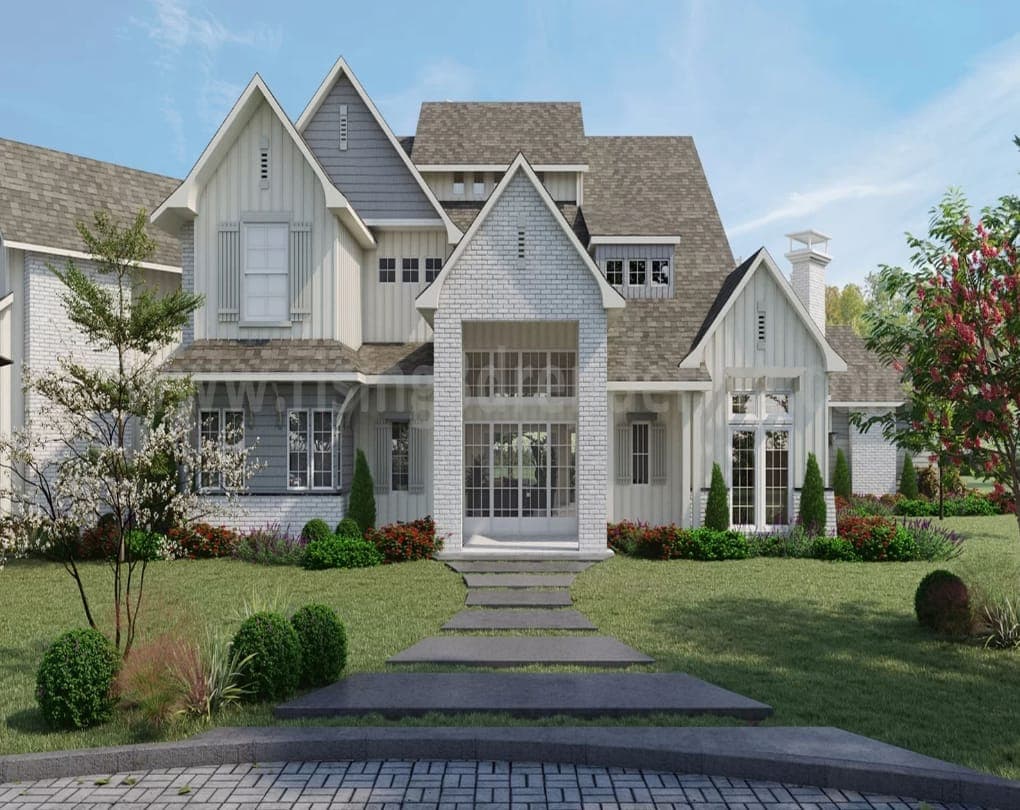
Freehold in real estate means you own both the home and the land it sits on, with no condo corporation and no land lease. This is one of the most common ownership types for houses. In practical terms, freehold ownership gives you more control and fewer shared rules, but it also means you are responsible for maintenance, repairs, property taxes, and insurance.
In Canada, property ownership types (including freehold, leasehold, and condominium) are commonly explained in CMHC’s home-buying guidance.
What Is a Freehold Property?
A freehold property gives you complete, indefinite ownership of the land and any structures on it. This is often described as “ownership that doesn’t expire,” subject only to laws and bylaws that apply to all properties (zoning, permits, building codes, etc.).
With freehold ownership, you’re typically responsible for:
- Exterior and structural maintenance
- Roof repairs and replacements
- Landscaping and snow removal
- Driveway and walkway upkeep
- Property taxes and insurance
If you’re comparing listing types, browse homes for sale and confirm the ownership type in each listing’s details.
What Is a Freehold Detached House?

A freehold detached house is a standalone home where you own the structure and the full parcel of land. There are no shared walls and no shared common elements governed by a condo corporation.
This ownership type usually offers:
- Maximum privacy
- Full yard ownership
- More flexibility for renovations or additions
- No shared maintenance decisions
The trade-off is that you plan and pay for all repairs yourself. There’s no shared reserve fund and no building manager handling common elements.
What Is a Freehold Townhouse?

A freehold townhouse means you own the townhouse and the land it sits on, even if it shares one or more walls with neighbouring homes. There is usually no condo board and no standard condo fee structure.
That said, it’s important to confirm the exact structure because townhouses can be:
- Freehold townhouse (you own the land + structure, maintain it yourself)
- Condo townhouse (you own the unit, share common elements, pay condo fees)
- Freehold condominium (a hybrid—sometimes you own the land but still pay condo fees for shared common elements)
CMHC) explains condo ownership structures and how they differ from freehold in its condo buying guidance.
If you’re shopping attached homes, compare options using condos for sale so you can clearly identify which listings include fees and shared governance.
Benefits of Freehold Properties
Freehold properties are popular because they offer independence and control.
More control over decisions
You typically don’t need condo board approval for most renovations or exterior choices (subject to permits and bylaws).
No standard condo fees
You aren’t paying monthly fees to a corporation for shared maintenance.
Strong long-term ownership stability
Freehold is indefinite; there’s no lease term attached to land rights.
Potential value retention from land ownership
Land can be a key driver of long-term property value, depending on market conditions and location.
Responsibilities of Freehold Ownership
Freehold ownership also means full responsibility.
Instead of paying monthly fees into a shared reserve fund, you need to plan for larger expenses such as:
- Roof replacement
- Driveway repairs
- Structural and exterior repairs
- Plumbing/electrical upgrades
- Major landscaping or drainage work
This doesn’t make freehold “more expensive,” but it does shift costs from predictable monthly fees to periodic, larger costs. Good homeowners budget for maintenance long before it becomes urgent.
Before making a move, it can help to request a home evaluation to understand your equity and options.
How Freehold Ownership Is Registered
Freehold ownership is recorded through provincial land title/land registry systems. The exact system varies by province, but the purpose is the same: record and protect legal ownership.
Examples of official land registry resources include:
Freehold vs Other Types of Properties

Freehold vs. Condominium
With condominium ownership, you typically own your individual unit while sharing ownership of common areas such as the roof, hallways, parking structures, and landscaping. Monthly condo fees cover day-to-day operating costs as well as contributions to long-term repairs and reserve funds.
Freehold ownership, on the other hand, means you own both the property and the land it sits on. You’re fully responsible for maintenance, repairs, and related costs, but you also have greater autonomy and decision-making control.
In general, freehold appeals to buyers who want independence and flexibility, while condominiums can be attractive for those who prefer shared maintenance responsibilities and more predictable monthly expenses — the condo questions to ask before buying cover many of the trade-offs in detail.
Freehold vs. Leasehold
Leasehold ownership means you own the structure (such as a house or unit) but lease the land for a defined period under specific terms. Lease agreements can vary widely and may include restrictions, renewal conditions, and resale considerations that buyers should review carefully.
Freehold ownership provides permanent land ownership, while leasehold involves time-based land rights tied to a contractual agreement.
Real-World Examples
Example 1: Freehold Detached You need a new roof after 18–25 years. You choose the contractor, the materials, and the timing, and you pay the full cost directly.
Example 2: Freehold Townhouse You replace fencing, repair grading, or repave a driveway without needing board approval. Maintenance planning is independent.
Example 3: Condo Comparison The corporation replaces common elements using condo fees and reserve funds. Your costs are spread out monthly, but decisions are shared, and rules apply.
Frequently Asked Questions
Does freehold mean no rules? No. Freehold owners must follow municipal zoning, permits, and building codes, plus any other laws that apply to property owners.
Do freehold townhouses have fees? Often no, but some communities may have small shared fees for limited common infrastructure. Always confirm the ownership type and any agreements tied to the title.
Is Freehold always better than a condo? Not always. Freehold offers more control, but condos can be easier for people who want lower personal maintenance responsibility and more predictable monthly costs.
Can you rent out a freehold property? Generally, yes, subject to local bylaws and any rental rules that apply in your area. Condos may have additional corporation rules that freeholds typically do not.
Is freehold a good investment? It can be, especially because land ownership often supports value over time, but market conditions, property condition, and location still matter.
Final Summary: What Does Freehold Mean?
Freehold means you own the home and the land indefinitely. A freehold detached house offers maximum privacy and control. A freehold townhouse offers similar ownership benefits while sharing walls. Freehold properties typically come with fewer restrictions than condos, but they require the owner to manage and budget for maintenance directly.
For a clearer buying decision, compare ownership types carefully and confirm whether a property is freehold, condo, leasehold, or a hybrid structure before committing.
Frequently Asked Questions About Freehold
Does Freehold Mean No Rules Apply?
No. Freehold owners must still comply with municipal zoning laws, building codes, and property standards.
Are Property Taxes Higher on Freehold?
Taxes depend on property value, not ownership structure. Detached homes may have higher assessed values due to land size.
Can You Renovate a Freehold Property Freely?
Generally, yes, provided renovations comply with local building regulations.
Do Freehold Townhouses Have Fees?
Some may include small shared maintenance fees, but they are not structured like condo fees.
Is Freehold a Good Investment?
Because you own the land, freehold properties often hold strong long-term value, though market conditions always influence performance.
Final Summary: What Does Freehold Mean in Real Estate?
Freehold means complete, permanent ownership of both a property and the land it occupies. Whether purchasing a freehold detached house or a freehold townhouse, owners benefit from independence, privacy, and long-term control while accepting full responsibility for maintenance and repair costs.
Understanding how freehold compares to condominium and leasehold ownership helps buyers evaluate financial obligations, lifestyle fit, and long-term goals before committing to a property.
If you are exploring buying or selling, plan ahead for the hidden fees first-time buyers often miss — many of those costs apply to freehold purchases too, not just condos.


