
Many residents in Ontario are unsure whether they can park a trailer in their assigned space or visitor area. Condo parking is not the same as street parking because the condominium corporation controls it. There are condo rules designed to protect shared property, promote safety, and maintain community order. Ignoring them can lead to warnings, towing, or additional costs. Thus, residents need to understand the applicable regulations before bringing a trailer onto the premises.
Understanding Condominium Parking Rules for Trailers in Ontario

Condominium corporations create parking rules to manage shared spaces fairly and safely. Parking areas are often common elements, even when someone has exclusive use of a spot. This means the condo board has authority over how spaces are used. Trailer parking differs from regular vehicle parking because trailers are usually larger and may not fit standard parking dimensions. They can affect traffic flow and reduce visibility for drivers.
What Counts as a Trailer Under Ontario Condominium Rules
Condo bylaws often define trailers separately from personal vehicles. Common examples include:
- Utility trailers
- Boat trailers
- Camping or travel trailers
- Recreational equipment trailers
Trailers take up more space than cars and may extend beyond marked lines. Because of their size, they can block other vehicles or restrict safe movement in tight areas such as underground garages.
Who Creates and Enforces Condo Parking Regulations
Parking policies are created by the condominium board, usually with support from a property manager. These rules are written in governing documents such as the declaration, bylaws, and official condo rules. Even if an owner purchased a parking unit, they must still follow these regulations. The board has legal authority under Ontario’s Condominium Act, 1998, to enforce compliance.
Why Trailer Parking Restrictions Exist in Condominiums
Restrictions are in place for practical reasons, including:
- Keeping fire routes and emergency access clear
- Ensuring fair access to shared parking
- Maintaining property standards and appearance
Large trailers can interfere with emergency vehicles and reduce available space for other residents.
Condo Parking Laws for Trailer Vehicles: What Owners and Residents Must Know
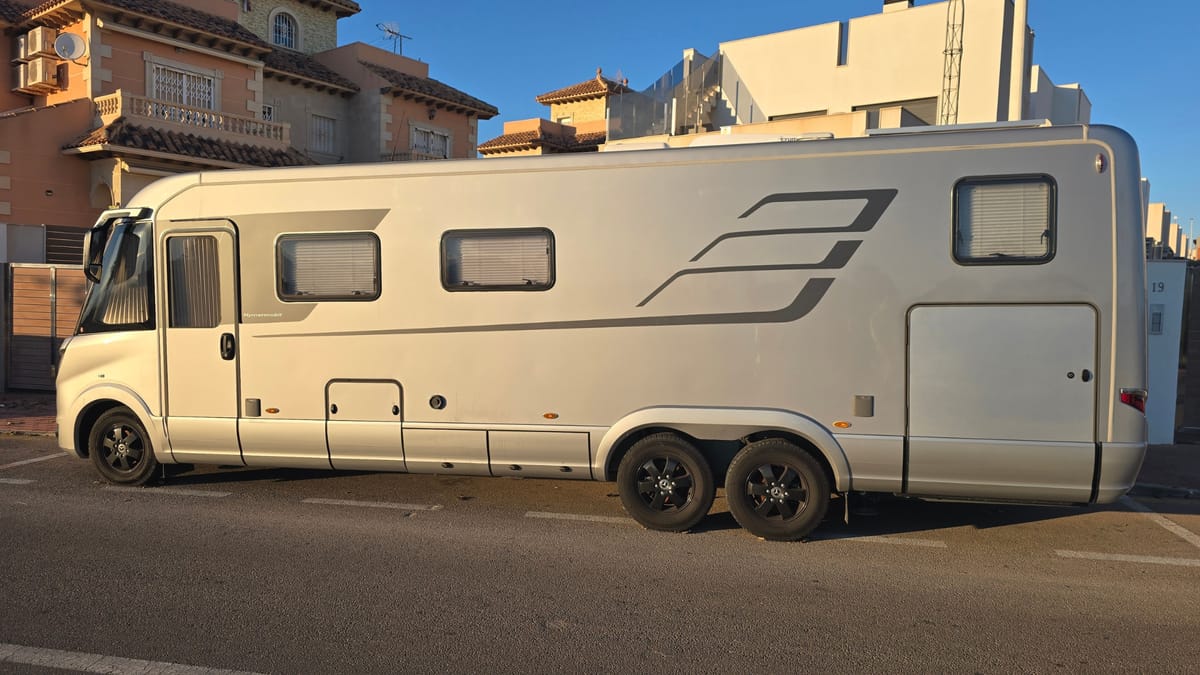
Ontario’s Condominium Act allows condo corporations to manage parking areas. This means condo rules can be stricter than city parking bylaws. Owners and tenants must review their condo documents before parking a trailer. Understanding these rules helps prevent disputes and unexpected penalties.
Provincial Guidelines and Local Condo Authority
The Condominium Act gives corporations authority to regulate common elements. A condo may prohibit trailer parking even if municipal laws allow it on private property. Reviewing official documents is essential before assuming a trailer is permitted.
Common Trailer Parking Restrictions in Ontario Condos
Typical restrictions may include:
- Size and weight limits
- Time limits on parking
- Bans on overnight or long-term storage
Trailers are often not allowed in visitor or shared spaces.
Penalties and Consequences for Violating Parking Rules
If rules are ignored, management may:
- Issue warning letters
- Send compliance notices
- Arrange for towing of the trailer
- Start legal enforcement action
- Charge back related costs to the owner
Navigating Trailer Parking Responsibly in Ontario Condominium Communities
Residents should speak with condo management before parking a trailer on the property. Reviewing governing documents in advance can prevent costly mistakes. Responsible use of shared spaces supports safety and fairness for everyone. Clear communication reduces conflict and protects property values. Taking these steps helps maintain a well-managed and organized condominium community.


