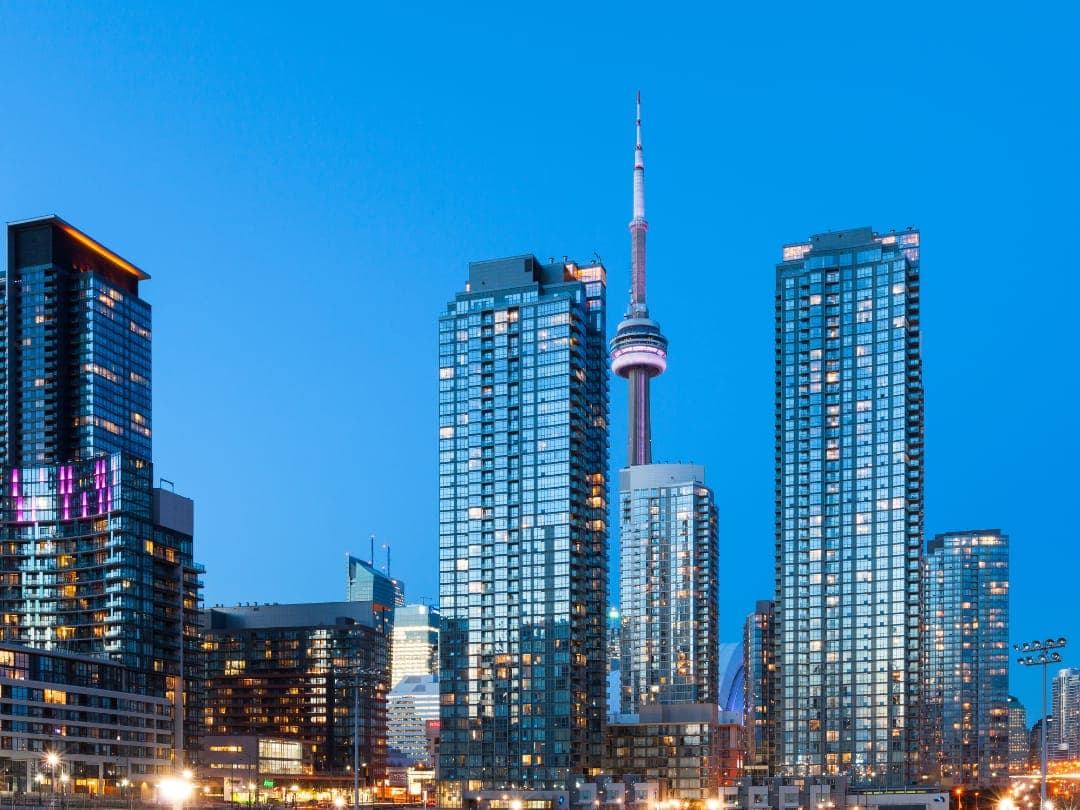
Where Should You Buy a Condo in Toronto, and What Should You Expect to Pay?
Toronto’s condo market in 2026 offers buyers more leverage than in recent years.
According to recent quarterly data published by the Toronto Regional Real Estate Board (TRREB), condo apartment prices in the GTA settled in the mid-$600,000 range through late 2025, with the City of Toronto averaging slightly higher depending on district. Sales volumes declined year-over-year while active listings increased, shifting negotiation power back toward buyers.
You can review full market breakdowns directly through TRREB’s housing reports.
National housing trends and supply data are also tracked through federal housing market reports that monitor housing starts, condo inventory, and affordability pressures across Ontario.
In simple terms:
- Inventory increased
- Investor demand softened
- Bidding wars cooled in many buildings
- Negotiation room returned
But neighbourhood and building quality now matter more than ever.
If you only take one insight away: Not all Toronto condos are equal. Location, transit access, and building financial health drive value more than average market pricing.
What Is Driving Toronto Condo Prices?
Toronto’s condo market responds to four structural forces:
1. Interest Rates
Higher borrowing costs reduce investor demand. Condos, especially smaller one-bedroom units, are sensitive to financing conditions.
2. New Construction Supply
Toronto has one of North America’s largest condo pipelines. When completions spike, rental competition increases, and resale pricing softens.
CMHC regularly tracks housing completions and new supply volumes, which directly impact rental vacancy and investor returns.
3. Transit Infrastructure
Transit-oriented condos outperform long-term. Proximity to subway intersections and GO Transit nodes protects resale liquidity.
The City of Toronto publishes infrastructure updates, including Ontario Line and East Harbour development plans, on its official planning portal.
4. Building Governance & Reserve Funds
Two buildings on the same block can trade $100–$200 per square foot apart if one has:
- Litigation history
- Weak reserve fund
- Frequent special assessments
Financial statements and reserve fund studies are far more important than interior finishes.
Best Neighbourhoods for Toronto Condos
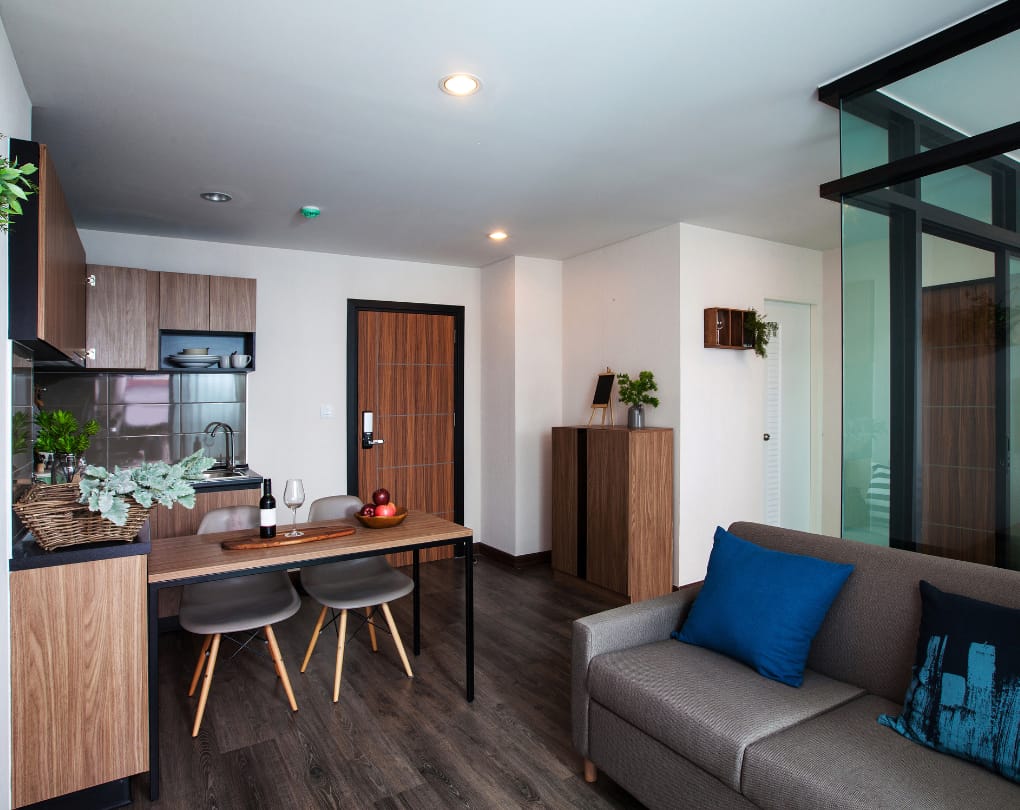
Below are neighbourhoods categorized by buyer goal.
Yonge–Bloor & Yorkville (Premium Stability)
Best for: Long-term security and luxury buyers
This intersection anchors two subway lines and connects to Toronto’s most established luxury corridor.
Why it performs well:
- Constant transit demand
- International recognition
- Strong end-user presence
Luxury pricing is higher here, but resale liquidity is among the strongest in the city.
St. Lawrence Market (Balanced Downtown Living)
Best for: Professionals seeking charm + central access
- Walkable to the Financial District
- Limited overbuilding compared to King West
- Mix of mid-rise and high-rise inventory
This neighbourhood attracts more owner-occupiers than short-term investors, stabilizing long-term price patterns.
Entertainment District / King West (High Rental Demand)
Best for: Investors and young professionals
Advantages:
- Strong rental absorption
- Walkability
- Nightlife + corporate proximity
However, investor-heavy towers can experience higher resale volatility when listings spike.
Buyers here should review status certificates carefully and confirm investor ownership ratios if possible.
Riverside & Leslieville (Growth-Oriented)
Best for: 5–10 year appreciation buyers
Growth catalysts:
- East Harbour transit hub
- Commercial expansion
- Boutique condo builds
This east-end pocket offers lower density and reduced investor saturation compared to downtown core towers.
Infrastructure plans related to East Harbour redevelopment can be reviewed via the City of Toronto planning resources.
Regent Park & Canary District (Redevelopment Play)
Best for: Buyers seeking modern units near downtown at moderate pricing
Regent Park’s revitalization shifted it from public housing origins into a mixed-income residential district.
Modern builds + proximity = value relative to the Entertainment District.
Humber Bay Shores / Mimico (Waterfront Lifestyle)
Best for: Buyers wanting lake views without core pricing
Strengths:
- GO Transit access
- Larger average unit sizes
- Waterfront recreational appeal
Watch:
- Amenity-heavy towers with high monthly fees
- Condo fee escalation
North York Centre (Transit Security)
Best for: Families and long-term investors
Located along the Yonge subway corridor, this pocket offers:
- Strong rental demand
- Established condo clusters
- Balanced pricing relative to downtown
Transit access remains one of the most consistent long-term appreciation drivers.
Downsview / York University Heights (Entry Pricing)
Best for: First-time buyers
Drivers:
- TTC subway extension
- Student rental demand
- Master-planned redevelopment zones
Lower per-square-foot pricing compared to downtown makes this a logical entry point.
What Buyers Underestimate About Toronto Condos
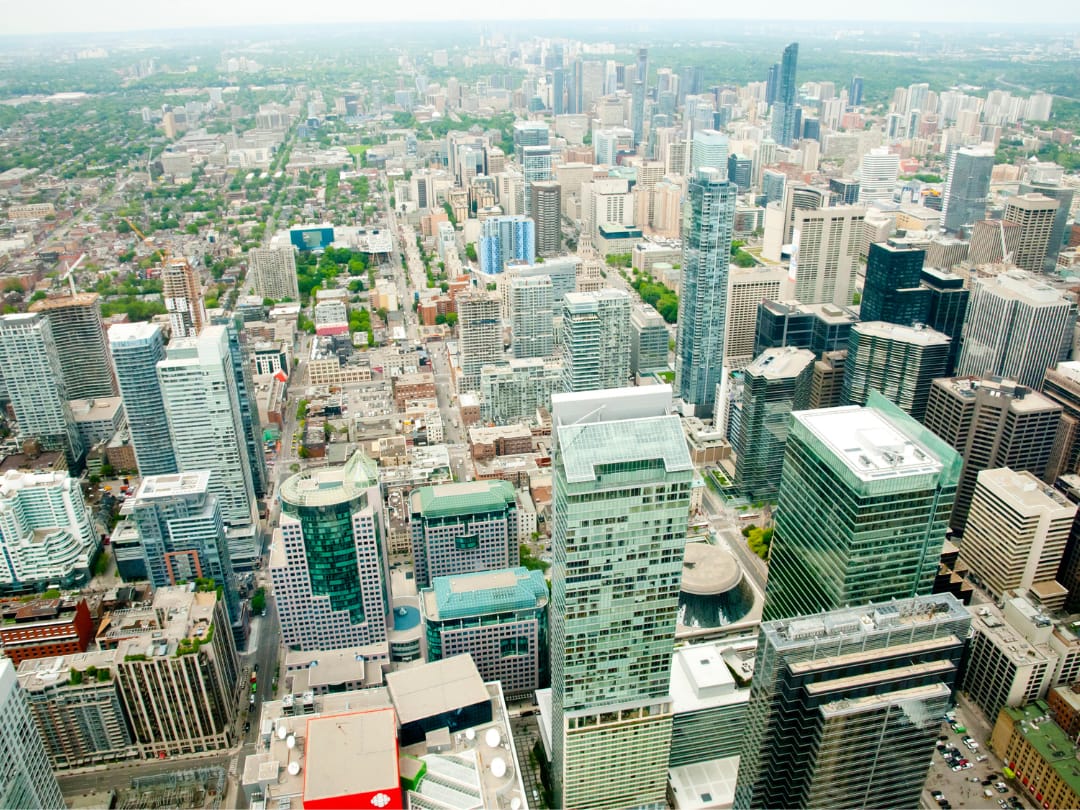
Condo Fees
Maintenance fees typically range between $0.70–$0.90 per square foot, depending on building age and amenities.
Full-service buildings with:
- Concierge
- Pools
- Rooftop terraces
...often exceed those averages.
Over 10 years, small increases compound significantly.
Reserve Funds & Special Assessments
A healthy reserve fund reduces the risk of sudden levies.
When reviewing a status certificate, look for:
- Reserve fund study adequacy
- Pending major repairs
- Litigation
- Insurance claims history
Even CMHC highlights the importance of understanding multi-unit building risk before purchase.
Investor Saturation
Buildings heavily owned by investors may experience:
- Higher resale competition
- Rental oversupply
- Greater price swings during slowdowns
Owner-occupied buildings typically hold value more consistently.
Buying Tips for Toronto Condo Real Estate
1. Get Pre-Approved
Financing stability strengthens negotiation leverage.
2. Review the Status Certificate
Have a real estate lawyer evaluate financial health before firming the offer.
3. Compare Sold Prices, Not List Prices
TRREB’s published data and comparable sales analysis provide more accurate pricing context than current asking prices.
4. Evaluate Transit Distance
Subway proximity often influences resale value more than minor interior upgrades.
5. Calculate Total Monthly Carrying Cost
Mortgage
- Condo Fees
- Property Taxes
- Insurance
- Utilities
Your comfort number matters more than purchase price alone.
Frequently Asked Questions
What is the average condo price in Toronto right now?
Recent TRREB data places GTA condo averages in the mid-$600,000 range, with City of Toronto units typically slightly higher depending on neighbourhood and building class.
Is it a buyer’s market for Toronto condos?
Inventory has increased compared to peak pandemic years, giving buyers improved negotiation leverage in many segments, particularly smaller investor-oriented buildings.
Which Toronto condo neighbourhood has the best growth potential?
Areas connected to major transit expansion and redevelopment, including Riverside (East Harbour), Regent Park, and portions of the Port Lands, show strong long-term upside.
Final Perspective
Toronto condo real estate is fragmented, competitive, and highly micro-market driven.
The best purchase is rarely the cheapest per-square-foot unit.It is the condo in the strongest building, in a transit-supported neighbourhood, with sound financial governance.
When evaluating Toronto condos for sale, think like a long-term investor, even if you plan to live in it.


