**
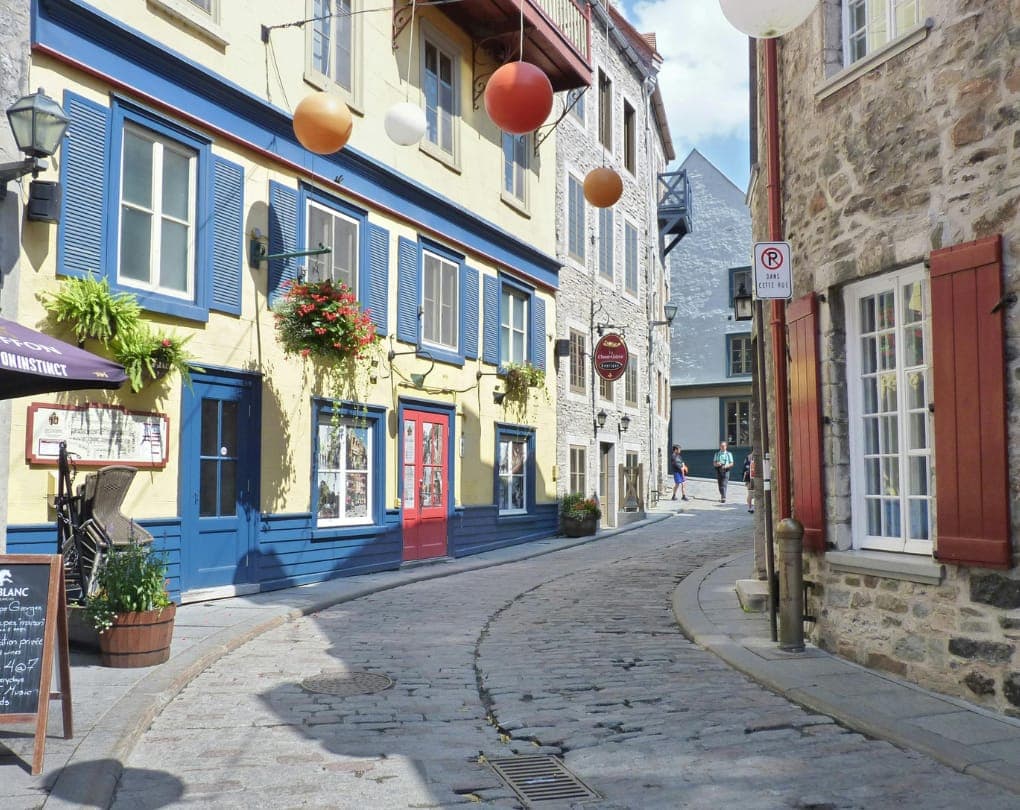
Quebec City often gets overlooked in national conversations about Canadian real estate, which is precisely what makes it interesting. While Toronto and Vancouver dominate the headlines, Quebec City condos for sale offer something increasingly rare in Canada's major urban centres: relative affordability, genuine character, and a stable market that has appreciated steadily without the volatility seen elsewhere. For buyers considering a move or an investment in Quebec City, here is what the market looks like and what to expect going in.
The Quebec City Condo Market at a Glance
The condo market in Quebec City has performed consistently over the past several years, driven by a combination of low inventory, strong local demand, and a growing interest from buyers priced out of Montreal. Unlike Montreal, Quebec City's condo market is largely owner-occupied rather than investor-driven, which tends to produce more stable pricing and better-maintained buildings.
Average condo prices in Quebec City sit well below the national average for major Canadian cities. Buyers can expect to find one-bedroom units in established neighbourhoods starting in the low $200,000s, with two-bedroom condos in desirable areas typically ranging from $280,000 to $450,000. Luxury units and penthouses in premium locations such as Old Quebec or the waterfront can exceed $700,000, but these represent the upper end of a market that remains broadly accessible by Canadian standards.
Market Conditions for Buyers
Inventory in Quebec City has been relatively tight, particularly for well-located condos in walkable urban neighbourhoods. Multiple-offer situations are not uncommon for move-in-ready units in sought-after areas. Buyers who are serious about buying a condo in Quebec City are well-advised to get pre-approved before beginning their search and to work with a local real estate broker who understands the specific dynamics of each neighbourhood.
Neighbourhoods Worth Knowing
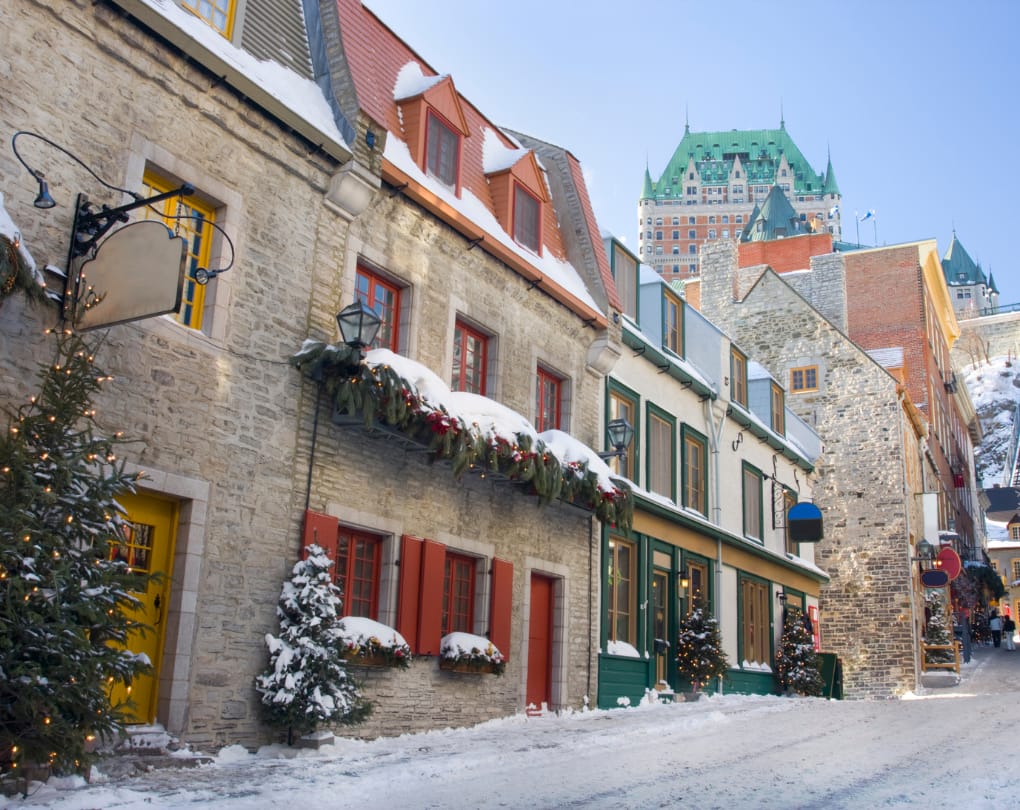
Quebec City's neighbourhoods each have a distinct character, and the right choice depends heavily on lifestyle priorities, budget, and whether you are buying to live or to invest.
Old Quebec (Vieux-Québec)
Old Quebec is the most iconic part of the city, a UNESCO World Heritage Site enclosed within historic stone walls. Condos here are often conversions of heritage buildings, offering exposed stone walls, high ceilings, and a living experience unlike anything else in Canada. Prices are among the highest in the city, and inventory is limited by the historic nature of the built environment. For buyers who want to live inside a piece of history and prioritize walkability, tourism access, and long-term prestige value, Old Quebec is unmatched.
Saint-Roch
Saint-Roch has undergone significant revitalization over the past two decades and is now one of the most dynamic urban neighbourhoods in Quebec City. It attracts young professionals, creatives, and tech workers with its independent restaurants, coffee shops, and cultural venues. Condo development has been active here, and buyers will find a mix of new construction and converted loft-style units at prices that are more accessible than in Old Quebec. For buyers looking for urban energy and long-term appreciation potential, Saint-Roch is one of the strongest choices in the city.
Montcalm
Montcalm sits just outside the walls of Old Quebec and offers some of the city's most elegant residential streets. It is a quieter, more established neighbourhood popular with professionals and families who want proximity to the historic core without the tourist foot traffic. Condos in Montcalm tend to be in well-maintained low-rise buildings, and the neighbourhood consistently attracts stable, long-term owner-occupiers. Prices sit in the mid-range for the city.
Sainte-Foy
Sainte-Foy is Quebec City's suburban commercial hub and home to Université Laval. It offers a more suburban character than the urban neighbourhoods closer to Old Quebec, but with excellent amenities, strong transit connections, and consistently solid resale demand driven in part by the university community. For investors considering a rental-oriented condo purchase, Sainte-Foy's student and professional population makes it a practical choice.
What Buyers Need to Know Before Purchasing
One important consideration for anglophone buyers is that Quebec's real estate market operates primarily in French. All contracts, disclosure documents, and legal proceedings related to buying a condo in Quebec City will be in French, and the province's civil law system differs from the common law framework used in the rest of Canada. Working with a notary rather than a lawyer is the standard practice for real estate transactions in Quebec, and notary fees are a closing cost buyers should budget for.
Quebec also has its own condo legislation; the Civil Code of Quebec governs divided co-ownership, which is the Quebec equivalent of condominium ownership. The framework is broadly similar in intent to the Condominium Act in Ontario, but differs in terminology and some procedural details. Buyers purchasing in Quebec for the first time should familiarise themselves with the co-ownership declaration and the building's contingency fund, the Quebec equivalent of a reserve fund, before finalizing any purchase.
Making Sense of Quebec City Condo Prices and Neighbourhoods
The condo market quebec city rewards buyers who do their homework. Prices remain reasonable by Canadian standards, the city offers genuine lifestyle quality, and the neighbourhoods each bring something distinct to the table. Whether you are drawn to the historic streets of Old Quebec, the creative energy of Saint-Roch, or the practical appeal of Sainte-Foy, there is a condo market in Quebec City that fits, provided you go in informed and work with professionals who know the local landscape.


