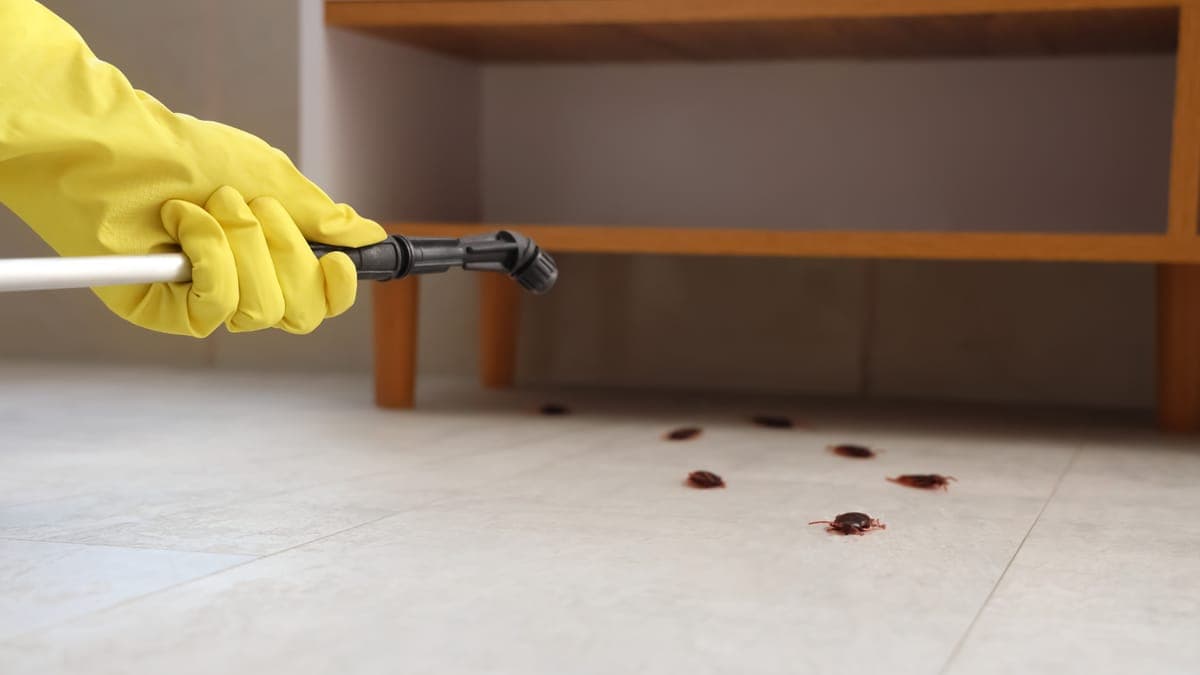
Condo living offers comfort and convenience. But shared spaces can create issues, one of which is the need to get rid of cockroaches that move between units. These pests can travel through walls, pipes, and hallways without being noticed right away. Because condos connect many homes in one building, one small problem can spread fast if ignored. Residents may feel unsure about who is responsible for fixing the issue or which steps work best. Understanding how infestations start and who should act first helps everyone respond faster and sets the stage for clear solutions.
Understanding How to Get Rid of Cockroaches in Condo Living
Living close to others means pests can move easily from one space to another. Knowing why cockroaches appear and why quick action matters helps residents respond with less stress and better results. The following sections explain how infestations spread and how to spot problems early before they grow.
Why Cockroaches Spread Easily in Condo Buildings
Cockroaches thrive in shared buildings because they can find food, water, and shelter in many places. Pipes, vents, and small cracks create hidden highways between units. Once they find a good spot, they multiply quickly and spread.
Here are the main ways they move around:
- Plumbing lines and wall gaps connect kitchens and bathrooms
- Garbage rooms and damp areas attract them fast
- One untreated unit can allow pests to travel into nearby homes
- Shared hallways and storage spaces give extra hiding spots
Common Signs You May Have a Cockroach Problem
Early signs are easy to miss because cockroaches hide during the day. Paying attention to small clues can help you act before the issue grows.
Watch for these signs:
- Seeing live cockroaches at night near food or water
- Droppings that look like black pepper
- Egg casings in cabinets or behind appliances
- Musty smells that do not go away
- Increased activity near sinks, drains, or garbage
Health and Property Risks Condo Owners Should Know
Cockroaches are more than just unpleasant. They can affect both health and property if left unchecked. Acting early lowers risks and reduces damage.
Important concerns involve:
- Bacteria spreading onto food and surfaces
- Fast breeding that worsens infestations
- Damage to packaging, paper goods, and wiring
- Lower property value if pests become known issues
Condo Pest Control Responsibility Explained for Owners and Tenants
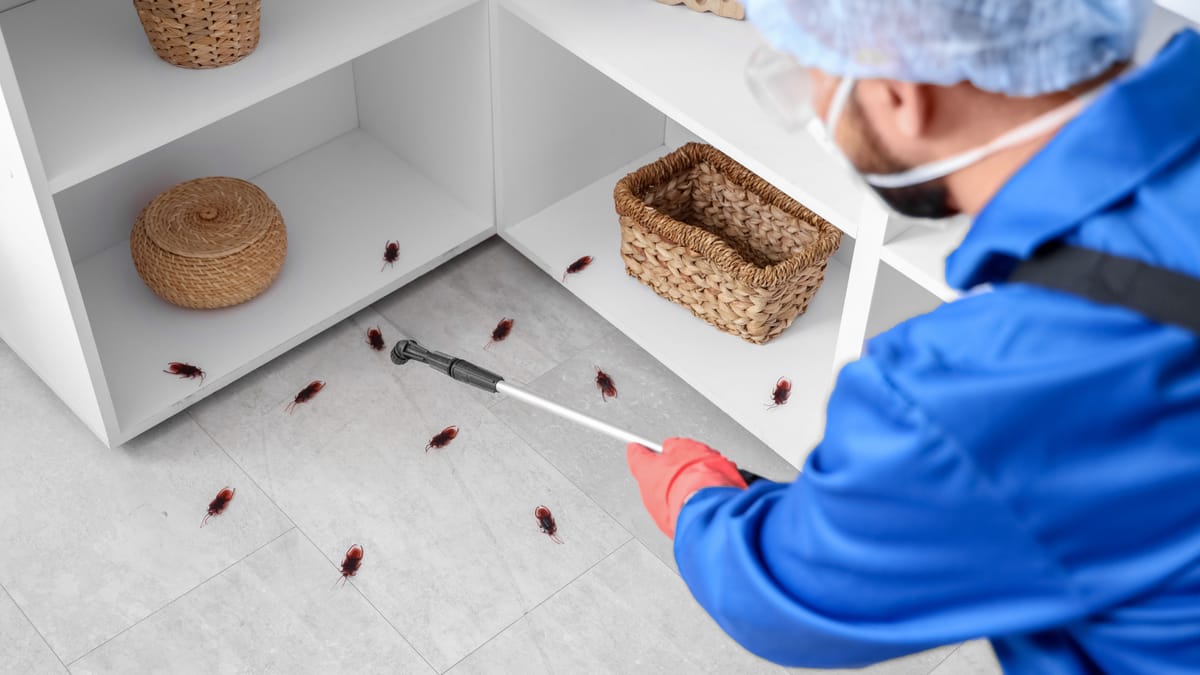
Responsibility often depends on condo bylaws, lease terms, and housing rules. Knowing who handles what prevents delays and confusion when pests appear.
Landlord vs. Tenant Pest Control Condo Responsibilities
Most buildings share responsibility between residents and property owners. Tenants must report issues quickly and keep units clean. Owners or corporations manage treatment when pests spread beyond one unit.
Key responsibility points include:
- Landlords or condo boards usually handle building-wide infestations
- Tenants must report sightings right away
- Clean living habits reduce risk and help treatment work
- Lease agreements often explain pest reporting duties
When Condo Management or Property Managers Must Act
Management becomes responsible when pests affect more than one unit or come from shared spaces. Safe living conditions are part of building oversight. Waiting too long can let pests spread further.
The following are situations that require management action:
- Infestations moving through walls or plumbing
- Repeated complaints from several residents
- Need for building-wide pest treatment
- Legal duty to maintain livable housing in places like Ontario
Practical Steps on How to Get Rid of Cockroaches in Condo Units

Removing cockroaches works best when cleaning, prevention, and treatment happen together. Quick action stops nests from growing and lowers the chance of reinfestation. The following steps show what residents can do right away and when experts are needed.
Cleaning and Sanitation Steps That Make a Big Difference
Cleaning removes the food and water sources that cockroaches need. Even small crumbs can keep them alive.
Focus on these habits:
- Remove crumbs and grease daily
- Store food in sealed containers
- Take the garbage out often
- Fix leaks because moisture attracts pests
Safe DIY Methods to Reduce Cockroach Activity
DIY steps help monitor activity and reduce numbers before professional help arrives. They should be used carefully to avoid spreading pests.
Helpful methods include:
- Bait stations placed near hiding spots
- Sticky traps to track movement
- Diatomaceous earth applied lightly in cracks
- Avoiding heavy sprays that scatter pests deeper
When Professional Pest Control Is Necessary
DIY efforts may not solve larger infestations. Professionals treat hidden nests and shared spaces that residents cannot reach.
Signs that professional help is needed:
- Repeated sightings after cleaning
- Cockroaches appear in multiple rooms
- Evidence of eggs or heavy droppings
- Spread between neighbouring units
Real Apartment Cockroach Situations and Why Early Action Matters
Real situations show how fast infestations grow when action is delayed. A reported apartment case in Calgary showed pests spreading across floors because treatment came too late. Residents faced unsafe conditions while waiting for building-wide control. These cases highlight why early reporting and shared action matter. Community awareness helps residents push for faster solutions.
How Condo Residents Can Prevent Cockroaches From Returning
Prevention works best when residents and management cooperate. Small daily habits lower risk and keep buildings cleaner long term.
Simple Habits That Keep Cockroaches Away
Daily routines stop cockroaches from finding food or shelter. Consistency matters more than effort.
Use these habits:
- Store food in sealed containers
- Clean kitchen surfaces before bed
- Avoid leaving pet food out overnight
- Close gaps around pipes and cabinets
- Install drain covers and repair seals
Working Together With Neighbours and Condo Management
Shared living means shared prevention. When residents report sightings early, building management can respond before pests spread. This prompt reporting also helps pest control teams locate problem areas faster and apply treatment where it will be most effective.
Cooperation during scheduled pest treatments is equally essential to reporting. Residents who follow preparation instructions help exterminators reach hiding spots and nesting zones. When neighbours and management work together, treatments last longer, and the risk of reinfestation drops significantly.
What to Do Next if You Find Cockroaches in Your Condo
Acting quickly protects your health, home, and neighbours. Report sightings right away and document what you see to help management respond faster. Clean thoroughly and remove food sources while waiting for treatment. Quick steps reduce the spread and improve treatment success.
Understanding the responsibilities of pest control in condominiums helps prevent conflicts and delays. Shared action between residents and management leads to faster solutions and fewer repeat problems. Combining preventive habits with professional help avoids infestations from spreading. Learning about the roles of landlord and tenant allows residents to respond with confidence and keep condo living safe.


