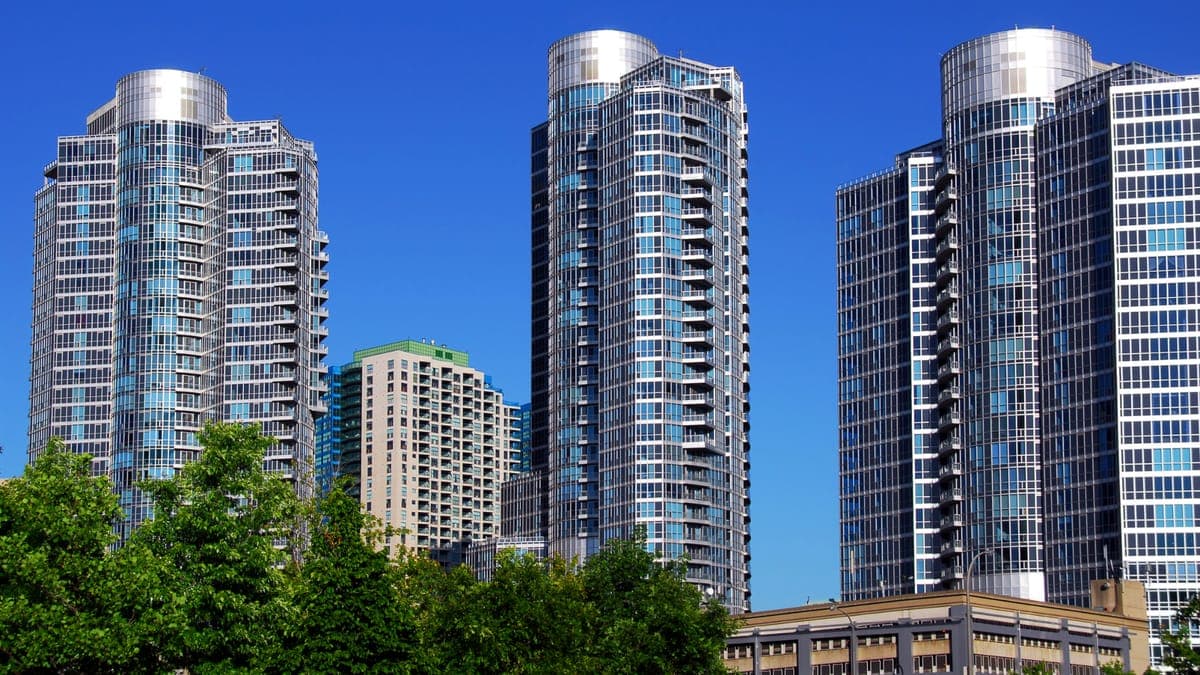
The cost to build a condominium in Canada usually ranges from about $250 to $450 per square foot. However, high-rise projects in major cities can cost more than $500 per square foot. When you add land, permits, professional fees, and financing, the total development cost for a mid-sized condo building can reach tens or even hundreds of millions of dollars. In simple terms, building a condominium is one of the most expensive types of residential construction in Canada.
For example, a 100,000-square-foot condominium building at $350 per square foot would cost about $35 million in construction alone. After including land purchase, development charges, design fees, and interest on loans, the final budget could climb to $45 million or more. To understand why prices vary so much, it is vital to break down the components of these costs.
What Determines the Cost to Build a Condominium in Canada
When developers talk about the cost to build a condominium, they are not only discussing bricks and concrete. They include land purchase, architectural design, engineering plans, permits, financing interest, marketing, and government charges. In many projects, construction itself makes up about 60 to 70 percent of the total budget, while the rest covers pre-construction and regulatory expenses.
Costs vary widely across Canadian cities because labour wages, material prices, and local rules differ. Large cities often have higher union wages and stricter building standards, which increase expenses. Municipal development charges alone can add tens of thousands of dollars per unit in some regions.
Key Factors That Affect Condominium Construction Costs
Several major elements shape the final price:
- Location differences: Land in downtown Toronto or Vancouver can cost several million dollars per acre, while land in Calgary may be significantly lower. Labour rates are also higher in larger metropolitan areas.
- Building height and amenities: Taller buildings require stronger foundations, more elevators, advanced fire systems, and reinforced concrete. Features such as underground parking, gyms, rooftop terraces, and pools can add millions to a project.
- Market demand and financing rates: When interest rates rise, borrowing money becomes more expensive. Developers must budget for higher loan payments, which increases the total cost.
Average Construction Cost Trends In Canada
Construction costs have been rising steadily. Statistics Canada reported that residential construction costs increased by an average of 7.6 percent in 2023, showing continued price pressure for apartment-style buildings. This means a project that costs $30 million one year could cost over $32 million the next year without any design changes.
Several reasons explain these increases:
- Rising equipment and fuel costs
- Labour shortages in skilled trades
- Higher prices for concrete, steel, and glass
- Strong demand for high-rise housing in urban centres
Local Market Conditions Shaping Condominium Construction Costs Across Canadian Cities
Below is a simplified comparison of estimated construction cost ranges per square foot for high-rise condominiums:
| City | Estimated Cost Per Sq Ft | Key Cost Drivers |
|---|---|---|
| Toronto | $350 to $500+ | High land values, development charges, and strong demand |
| Vancouver | $375 to $525+ | Expensive land, strict regulations, seismic standards |
| Montreal | $290 to $310 | Lower land costs, moderate labour rates |
| Calgary | $280 to $325 | Lower density, more available land |
Local regulations, labour supply, and municipal fees lead to significant price differences. For example, development charges in Toronto can exceed $100,000 per unit in some cases, while other cities may charge far less.
Land Acquisition and Pre-Construction Expenses Every Condo Project Must Budget For
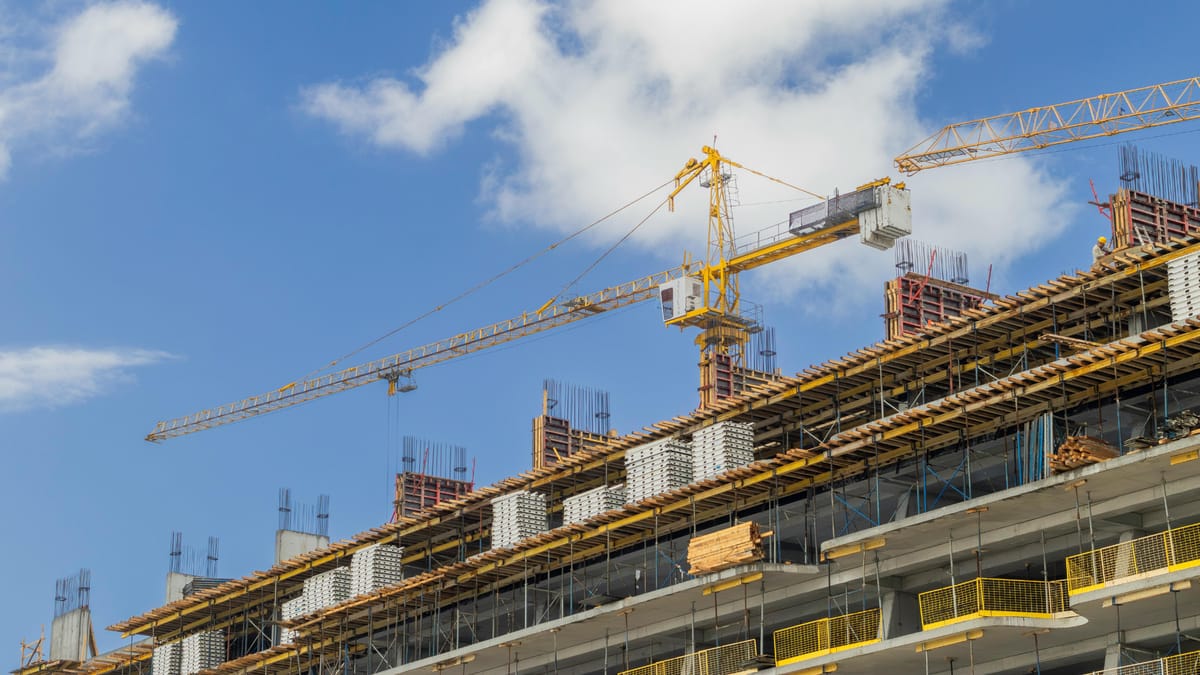
Land is one of the most significant early expenses in a condominium project. In busy urban areas, purchasing a suitable site can represent 20 to 30 percent of the total development budget. Developers must pay for land long before they begin construction.
They also face many professional and planning costs before breaking ground. These early expenses can total millions of dollars even before the first shovel enters the ground.
Land Purchase And Site Preparation Costs
Early-stage costs often include the following:
- Urban land near transit stations, schools, and business districts is priced at a premium.
- Site clearing, soil testing, and environmental studies ensure the property is safe and stable.
- Demolition of old buildings or grading uneven land may add unexpected costs.
For a downtown site in Toronto, land alone could cost $10 million or more. Environmental assessments and soil testing can add $100,000 to $300,000, depending on site complexity.
Professional And Planning Fees Before Construction
Before construction begins, developers must hire experts to design and plan the project. These costs typically range from 5 to 10 percent of total construction expenses.
Key services include:
- Architects and engineers to design structural, electrical, and plumbing systems
- Market studies to estimate selling prices and buyer demand
- Legal and financial advisors to structure loans and contracts
For a $40 million project, professional fees alone could range from $2 million to $4 million.
Construction and Material Costs for Condominium Buildings
Construction usually represents the largest share of the total cost to build a condominium. Materials, labour, and equipment make up most of this expense. The more complex the building, the higher the price per square foot.
Developers must carefully estimate each trade and system to avoid budget overruns. Even small changes in material prices can increase total costs by millions.
Structural Construction And Labour Expenses
The structural phase includes foundations, concrete framing, elevators, and core building systems. Concrete and steel are major cost drivers, especially in high-rise towers.
Labour adds significant expense:
- Electricians, plumbers, crane operators, and ironworkers earn competitive wages.
- Worker shortages across Canada increase hourly rates.
- Delays caused by labour gaps extend project timelines, raising financing costs.
Interior Finishes And Building Systems
After the structure is complete, interior work begins. HVAC systems, plumbing, fire protection, and electrical installations are essential and expensive.
Additional costs come from:
- Flooring, cabinets, countertops, and fixtures
- Elevators and security systems
- Shared amenities such as fitness centres, parking garages, and furnished lobbies
Luxury finishes can increase per-unit costs by tens of thousands of dollars compared to basic finishes.
Permits, Government Fees, and Regulatory Costs in Canada

Every condominium must follow municipal, provincial, and national building codes. These rules protect safety but also add costs and time. Approval processes can take months or even years.
Permit and approval fees can significantly affect total budgets. Delays also increase financing interest payments.
Development Permits And Municipal Approval Fees
Municipal approvals often include:
- Zoning applications to confirm condo use is allowed
- Building permits for safety inspections
- Development charges to fund roads, parks, and utilities
Compliance, Taxes, And Inspection Requirements
Beyond permits, developers must meet strict building codes and standards. Environmental rules and accessibility requirements often increase construction expenses.
Other common costs include:
- Utility connection fees for water, sewage, and electricity
- Ongoing inspections during construction
- Applicable taxes on materials and services
These regulatory expenses can add 5 to 15 percent to overall project costs.
Smart and Strategic Planning for the Total Cost to Build a Condominium
Building a condominium involves much more than pouring concrete and installing windows. Land, professional services, permits, financing, and government charges all add major expenses long before units are sold. A realistic budget must account for rising construction costs, interest rate changes, and potential delays. Careful planning helps reduce financial risk and avoid costly surprises. Strong project management ensures that each phase stays aligned with the original budget.
Successful condominium projects depend on accurate forecasting and disciplined cost control. Developers who fully understand every expense category can set appropriate selling prices and protect profit margins. Investors also benefit from knowing how land, materials, and regulations shape final unit pricing. Without strategic planning, even a well-designed building can face financial strain. Understanding the full cost structure allows smarter decisions at every stage of development.


