
Every year, hundreds of thousands of people start fresh in a new country. For many of them, Canada is that country. However, the first thing they need is a place to live. With that, millions of newcomers are quietly reshaping how and where Canadians live. Understanding the immigration impact on condo market in Canada means understanding how people make housing choices when they arrive somewhere new, and why condos keep coming out on top.
As more newcomers settle in cities across the country, the effect on housing is becoming harder to ignore. This growing demand touches everything from rental rates to new construction plans. This blog breaks down exactly how each piece connects.
Key Factors Affecting Condo Demand in Canada
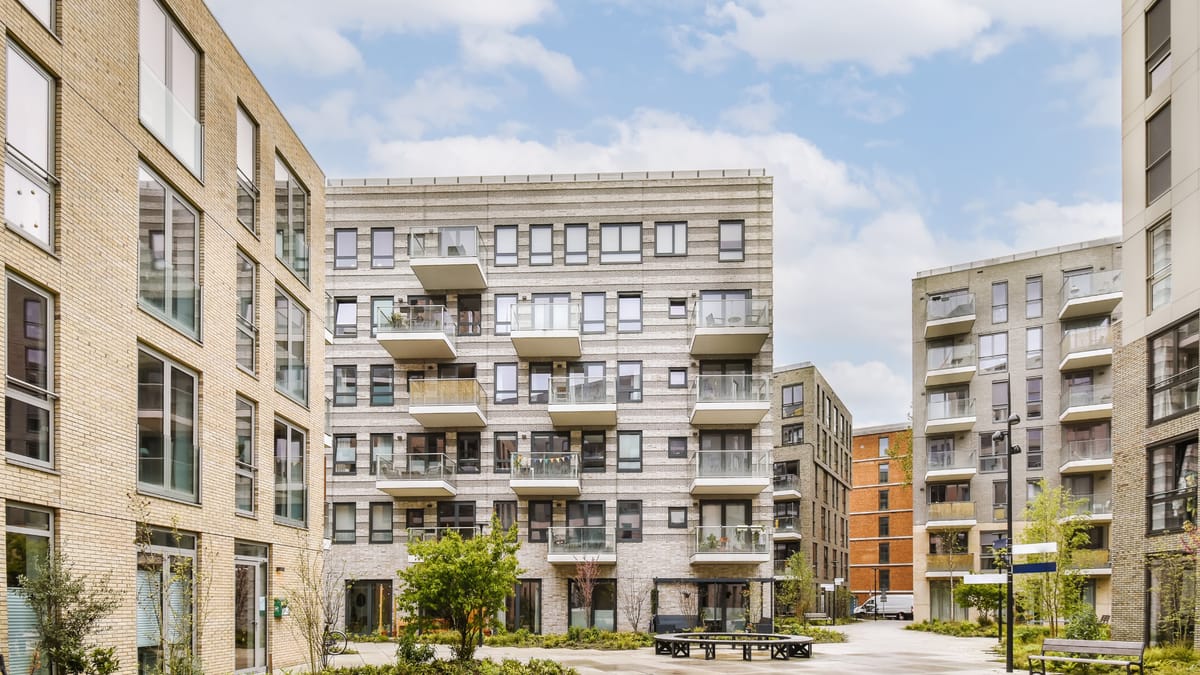
Several economic and social factors influence where newcomers live upon arrival in Canada. These factors help explain why condos are often the first choice for housing. Understanding these drivers helps buyers, investors, and policymakers see how immigration impacts the condo market in Canada and shapes housing demand.
Population Growth and Housing Pressure in Major Cities
Rising immigration contributes to population growth condo prices Canada, pushing average condo prices in major cities to roughly $500,000 to over $700,000.
Here is what this pressure looks like in practice:
- In the Toronto area, the average condo price reached$713,546 in October 2024, even after a 2% year-over-year decline.
- More people entering the housing market increases competition for smaller, more affordable homes such as condos.
- When demand grows faster than new construction, condo prices and rents may continue to rise.
Affordability Compared With Houses
Condos usually cost less than detached houses, making them a more realistic option for newcomers buying their first property. Many immigrants prioritize affordability and location near jobs, schools, and public transportation. Because of this price difference, condos serve as an entry point into the Canadian housing market.
Rental Demand From New Arrivals
Many immigrants rent first while adjusting to life in Canada and building their financial stability.
This pattern plays out in several ways:
- The Bank of Canada noted that newer immigrants are much more likely to rent, withabout 60% renting rather than owning.
- This creates strong rental demand in condo buildings located near business districts and transit.
- Investors purchase condos specifically to meet this growing condo demand in Canada's urban centres.
Urban Living and Access to Jobs
Most newcomers settle in large cities where employment opportunities are more available. Condos are commonly located near transit lines, workplaces, and services, which makes daily life easier for new residents. As immigration continues to concentrate in urban areas, condos remain one of the most accessible housing options.
How The Immigration Impact on Condo Market Canada Shapes Housing Trends

The immigration impact on condo market Canada is influencing both short-term housing demand and long-term development trends. Here are some of the key ways this is playing out across the country:
- Developers, investors, and policymakers closely watch immigration patterns because they help predict where future housing supply will be needed most. Municipalities that saw larger increases innewcomer arrivals recorded an average 11% jump in median monthly rents over five years, with the effect strongest in the country's largest urban centres.
- Strong condo demand immigration Canada encourages developers to build more high-density housing in major urban centres like Calgary and Montréal, where newcomer populations continue to grow.
- Statistics show that the percentage of people living in condominiums is significantly higher among international students (32%) and temporary foreign workers (33.9%) compared to Canadian-born residents (15.7%).
- When immigration slows or policy shifts occur, the condo market responds. Developers adjust project timelines, and investors reassess rental strategies based on projected population changes.
Why Immigration Will Continue to Influence Condo Demand in Canada
Immigration plays a major role in Canada's population growth. This growth continues to affect population growth and condo prices in many urban markets across Canada. Condos have proven to be a flexible and practical housing solution for newcomers at every income level. As Canadian cities continue to attract tens of thousands of new residents each year, demand for well-located, affordable housing will remain strong. Policymakers, investors, and homebuyers who understand this connection are better equipped to plan for what lies ahead. The link between people arriving and housing demand rising is a consistent pattern in Canadian real estate history.
Furthermore, since many people move to major cities for work and opportunity, condos will likely remain a practical and popular housing choice for both newcomers and local buyers. The relationship between immigration and the condo market is not a temporary trend. It is a structural force built into how Canada grows and how its cities develop over time. Understanding it gives everyone, from first-time buyers to seasoned investors, a clearer picture of where the market is headed. Thus, staying informed about immigration levels, housing supply, and city planning decisions is crucial to navigating the Canadian real estate landscape with confidence.


