
Owning a rental condo is about making a smart choice from the start. Many landlords ask themselves which setup earns more money over time. When comparing a furnished vs unfurnished condo rental in Canada, both options offer real profit potential, but they work in very different ways. Furnished units can bring in higher rent, while unfurnished ones often offer steadier income with fewer surprises. Each choice comes with its own set of costs, risks, and rewards. Understanding both sides of the equation is the first step. This blog breaks down everything you need to know to make the right call.
Furnished vs Unfurnished Condo Rental Canada Explained
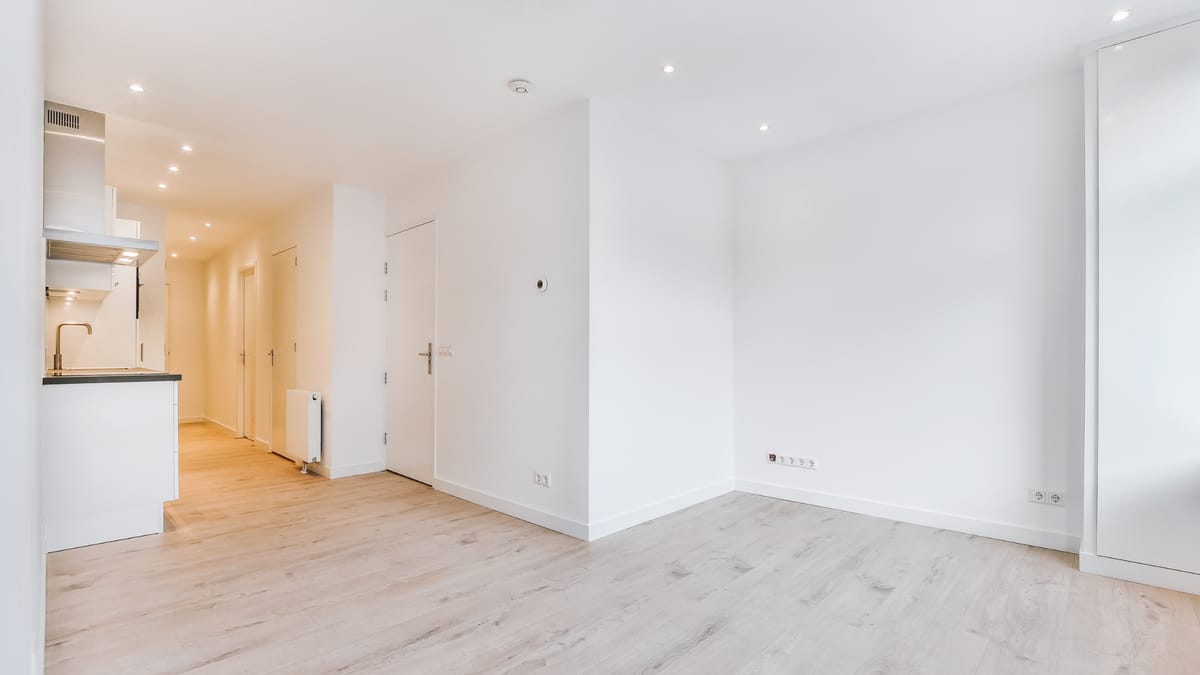
In Canada, landlords weigh their options carefully because rental rules, tenant demand, and costs vary by city and province. A furnished rental means the unit comes ready to live in. Meanwhile, an unfurnished one is more of a blank space. Choosing the right setup affects how much profit a landlord can earn monthly and over the long term.
What Is a Furnished Condo Rental and How It Earns Income
A furnished condo comes with everything a tenant needs to move in right away, including:
- Beds, sofas, and dining furniture to make the space livable
- Kitchen appliances, cookware, and small electronics for daily use
- Linens, towels, and basic home accessories that short-term renters expect
- Internet-ready setups and smart TVs
This setup can significantly boost furnished condo rental income. In Calgary, furnished one-bedroom units brought inroughly $113 more per month than similar unfurnished units as of September 2024. That monthly premium makes furnished units especially appealing to students, travelling professionals, and newcomers who need a turnkey home right away.
What Is an Unfurnished Condo Rental and Its Profit Potential
An unfurnished condo includes only built-in fixtures, such as:
- Kitchen cabinetry, a stove, and a refrigerator that come with the unit
- A bathroom with basic plumbing already in place
- Flooring, lighting, and window coverings in most cases
While rent is lower, long-term leases offer steady and predictable income. Tenant turnover is also much less frequent, which means fewer cleaning fees and less wear on the unit overall. In Vancouver, long-term unfurnished tenants stay an average of two to three years, keeping vacancy costs low and income reliable.
Things to Consider When Choosing the More Profitable Option
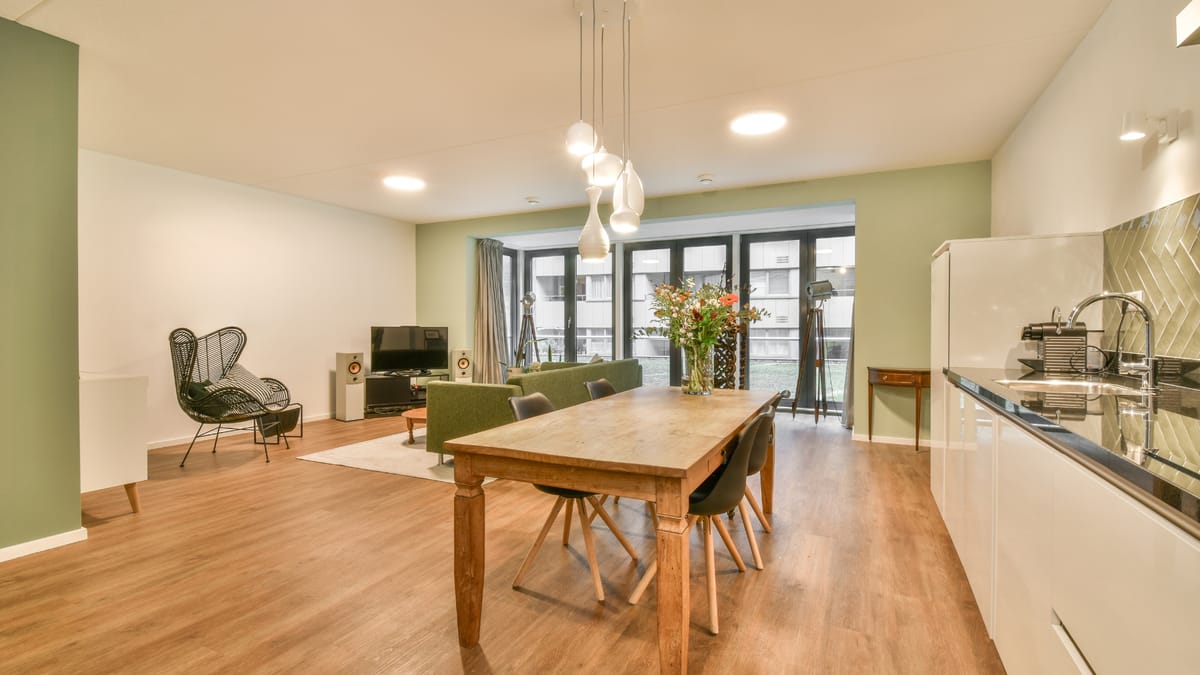
The profit from a condo rental does not depend solely on the furniture. Your target tenants, how much you can spend upfront, and where your condo is located all play a major role. Knowing the full picture of costs and risks before you decide helps you avoid costly mistakes down the road.
Costs and Maintenance for Furnished vs Unfurnished Profit
Furnished units carry a higher starting price, which can include:
- Getting a two-bedroom condo in cities fully ready for tenants, which typically runs between$10,000 and $18,000 in upfront furnishing costs
- Replacing damaged or worn items more frequently due to higher tenant turnover
- Paying for professional cleaning between every short-term stay
Unfurnished units are cheaper to maintain over time and require less hands-on management. Lower wear and tear means fewer repair bills, fewer replacements, and simpler lease renewals.
Rental Demand and Tenant Type in Your Area
Where your condo is located matters a great deal for the furnished condo vs unfurnished profit comparison.
What the data shows:
- Furnished units perform best in busy urban centres, near universities, hospitals, or business districts
- Unfurnished units attract families and working adults who prefer stability and longer leases
- Edmonton stood out as one of Canada's strongest furnished rental markets, where one-bedroom furnished units commanded amonthly premium of $255 over unfurnished ones in September 2024
- Knowing your local market helps you price correctly and reduce costly empty periods
Rental Income Stability and Vacancy Risks
Furnished rentals can earn more per month, but they also face higher vacancy risks between bookings. Unfurnished rentals, on the other hand, come with signed leases of one year or longer, which creates a reliable income stream. According to the Canada Mortgage and Housing Corporation, vacancy rates climbed across Canada's largest cities, with the national average for purpose-built rental apartmentsreaching 3.1%, up from 2.2% in 2024 and now sitting above its 10-year average. Balancing monthly income potential with realistic occupancy rates is indeed crucial for landlords.
Choosing the Right Condo Rental Strategy for Long-Term Profit
The best condo rental strategy aligns with your financial goals, fits your budget, and responds to what renters in your area actually want. If you are located near a university or a busy downtown core, a furnished unit may deliver strong short-term returns worth the extra effort. If you prefer lower maintenance and a steady monthly income, an unfurnished unit is often the smarter long-term play. Either way, doing your research, running realistic cost estimates, and staying informed about local rental trends will put you ahead of most landlords. Success in the rental market stems from making informed decisions, adapting as the market shifts, and using the right tools and expertise to empower your business. Thus, embody clarity, invest wisely, and your rental property can become a reliable and growing source of income over time.


