
Becoming a first-time condo buyer in Canada is an exciting step toward homeownership. Condos are often a more affordable option, especially in busy cities where detached homes can be expensive. Many buyers choose condos because they offer convenient locations, shared amenities, and a sense of community.
However, buying a condo involves more than choosing a unit. You also need to plan your finances, research condo buying tips, buildings, and locations, and understand condo rules and fees. Working with trusted professionals also makes the process easier. This guide explains the condo buying process in Canada so you can make a confident, informed decision.
Understand What It Means to Be a First-Time Condo Buyer Canada
Buying a condo is a different experience from purchasing a detached home, and knowing those differences early can save you from surprises later on. In British Columbia, many first-time buyers discover that condo ownership comes with shared responsibilities that do not exist when you own a standalone property. Understanding those responsibilities is an essential first step.
Learn How Condo Ownership Works
When you buy a condo, you own your individual unit but share certain spaces and responsibilities with other residents.
How condo ownership is structured:
- A condo owner usually owns the unit itself while sharing common spaces with other residents in the building.
- Owners pay monthly condo fees that help maintain the building, shared areas, and essential services.
- A condo board and property management team handle building rules, repairs, and day-to-day maintenance decisions.
Know the Key Benefits and Possible Challenges
Condos come with genuine advantages, but they also come with trade-offs worth understanding before you commit.
Consider the following:
- Condos can be more affordable than houses, which makes them an attractive option for many first-time buyers who want to enter the market sooner.
- Many buildings offer amenities such as gyms, rooftop spaces, visitor parking, and security systems that would be expensive to have in a private home.
- Buyers must follow condo rules and pay monthly maintenance fees, which may increase over time based on the building's needs.
Prepare Your Finances Before Starting the Condo Buying Process Canada

Getting your finances in order before you begin searching for a condo is one of the smartest moves you can make as a first-time buyer. Understanding your budget also helps you avoid financial surprises that can make the buying process stressful.
Check Your Budget and Mortgage Options
Before visiting properties, take time to get a clear, honest view of your financial situation.
Remember to:
- Review your income, savings, and existing debts to understand how much you can realistically afford to spend on a condo.
- Speak with lenders or a mortgage broker to learn about available mortgage options, interest rates, and repayment terms that fit your financial goals.
- Getting pre-approved for a mortgage shows sellers that you are a serious buyer and gives you a firm budget to work within.
Review Average Condo Prices by Province in Canada
Condo prices across Canada can vary greatly depending on where you are looking and what the local housing market is doing. In Ontario, average condo prices in major urban centres are significantly higher than in smaller cities or towns in neighbouring provinces. Reviewing average prices by province helps first-time buyers set realistic expectations and plan their budget accordingly.
Average Condo Prices by Province
| Province | Estimated Average Condo Price |
|---|---|
| British Columbia | $650,000 – $850,000 |
| Ontario | $550,000 – $750,000 |
| Alberta | $250,000 – $400,000 |
| Quebec | $300,000 – $500,000 |
| Manitoba | $200,000 – $320,000 |
| Nova Scotia | $250,000 – $380,000 |
Note: Prices are estimates and vary based on city, building type, and current market conditions.
Plan for Extra Costs When Buying a Condo
The purchase price of a condo is not the only cost you need to plan for, and overlooking extra expenses can put a serious strain on your budget.
Additional costs to prepare for:
- Buyers may need to pay closing costs, including legal fees, land transfer taxes, and home inspection fees, which can add up to thousands of dollars.
- Condo buyers must also budget for monthly condo fees on top of their mortgage payments, and these fees can vary widely from building to building.
- Setting aside emergency savings can help cover unexpected costs, such as a special assessment charged by the condo board for major building repairs.
Research Locations and Buildings Carefully
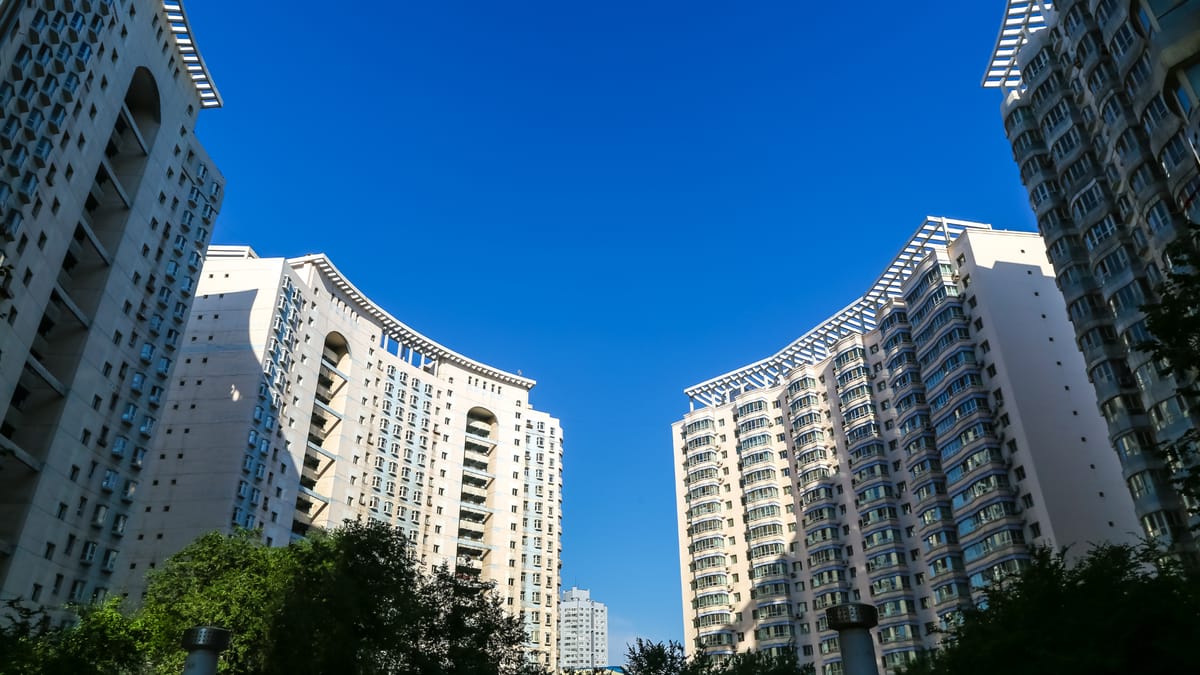
Choosing the right location is crucial in buying a condo for the first time. In Quebec, many buyers find that exploring different neighbourhoods within the same city can reveal significant differences in price, lifestyle, and long-term investment potential. Researching the actual building you are considering is equally important, since the quality of management and the financial health of the condo corporation can directly impact your experience as an owner.
Choose the Right Neighbourhood for Your Lifestyle
A neighbourhood that suits your lifestyle and long-term plans can make a big difference in how happy you are with your purchase.
Take note:
- Consider how close the condo is to your workplace, schools, public transit options, and essential services like grocery stores and healthcare.
- Look at the safety record of the area, the overall community environment, and any future development plans that could affect property values.
- Compare property values in nearby areas to get a sense of where the market is heading and whether the neighbourhood is growing in popularity.
Review the Condo Building and Its Management
Beyond the location, the building itself deserves a careful look before you commit to a purchase. Check the physical condition of shared amenities and review any available maintenance records to spot potential issues early.
Moreover, key condo documents such as the status certificate and reserve fund study will reveal the building's financial health and any upcoming repairs. Also, research the property management team or condo board. A good reputation shapes the quality of everyday condo life.
There are several types of condos available across Canada, and knowing the differences helps you choose wisely:
- High-rise condo: A tall apartment-style building with many units, often located in city centres with shared amenities like gyms and lobbies.
- Low-rise condo: A smaller building, typically three to four storeys, offering a quieter atmosphere often found in suburban or mid-sized communities.
- Townhouse condo: A multi-level unit attached to others in a row, offering more space and sometimes a private entrance or small outdoor area.
- Loft condo: An open-concept unit often featuring high ceilings and large windows, typically converted from older industrial or commercial buildings.
- Stacked townhouse: Units stacked vertically in a low-rise format, offering a balance between condo-style living and more traditional townhouse layouts.
Follow Smart First-Time Home Buyer Condo Tips When Viewing Properties
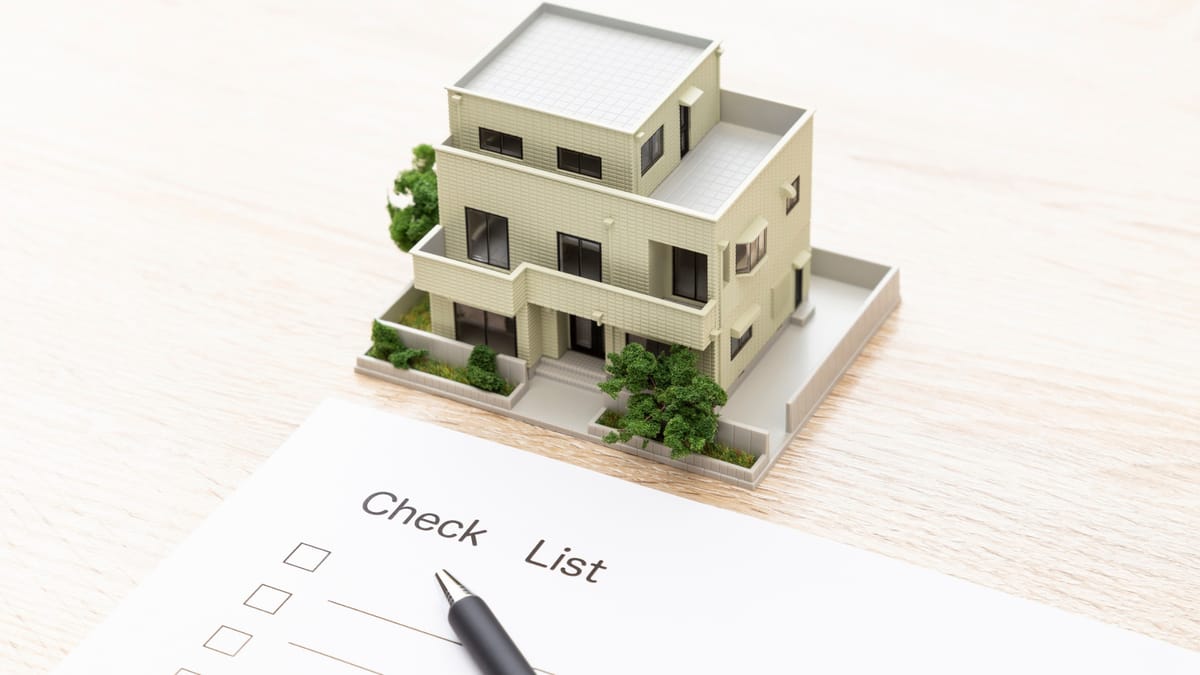
Viewing a condo in person gives you the chance to spot potential problems that photos or listings simply cannot show. Asking the right questions during property viewings can help you avoid costly decisions you may later regret.
Inspect the Unit and Shared Areas Carefully
A thorough inspection is one of the best investments you can make during the condo buying process.
During inspection, you should:
- Check for signs of damage, such as water leaks, wall cracks, mould, or poor ventilation, as these can indicate serious, expensive underlying problems.
- Examine appliances, windows, flooring, and storage to ensure everything is in working order and meets your needs.
- Look at shared areas because they reflect the overall standard of building maintenance.
Ask Important Questions Before Making an Offer
Before submitting any offer, make sure you have clear answers to the most important questions about the building and its management.
Here is what to ask:
- Ask about the monthly condo fees and find out exactly what services and amenities they cover.
- Find out whether any major repairs or special assessments are planned, as these could result in significant extra costs for all unit owners.
- Review the building's policies on renting your unit, keeping pets, making renovations, and hosting long-term guests, as these rules can affect your lifestyle and future resale options.
Move Forward With Confidence as a First-Time Condo Buyer in Canada
Buying your first condo in Canada becomes easier with the right support and preparation. At this stage, working with experienced professionals can help ensure a smooth and secure purchase. A real estate agent can guide you through offers and negotiations, while a real estate lawyer can review contracts, explain your legal rights, and handle important paperwork.
By understanding your finances, researching neighbourhoods, and carefully inspecting properties, you are already taking the right steps. The condo market in Canada still offers great opportunities for first-time buyers. With the right knowledge and guidance, you can move forward confidently and find a condo you will be proud to own.


