**
Electric vehicle adoption is growing rapidly across Canada, and for condo owners and buyers, one practical question comes up quickly: where do you charge? Unlike homeowners with a private garage, condo residents share parking infrastructure with dozens or hundreds of other units. Getting a charger installed is possible in most buildings, but the process involves navigating building rules, electrical capacity, costs, and, in some provinces, specific legal rights. Here is what you need to know about ev charging in Canada before you buy an EV or a condo, ideally both.
Who Controls EV Charging in a Condo Building?
In a condominium, the parking garage and electrical infrastructure are typically part of the common elements owned and managed by the condominium corporation. This means that any modifications to the parking are, including installing an EV charger, require the involvement and approval of the board of directors, regardless of whether you own your parking spot outright or hold it as an exclusive use common element.
The board has the authority to set policies around condo ev charging installation, approve or deny requests, determine cost-sharing arrangements, and select preferred vendors or charging network providers. Some boards are proactive and have already developed an EV charging policy. Others are still working through the process, and owners who want a charger may need to bring the issue to the board themselves.
Your Rights as a Condo Owner in Ontario

Ontario is one of the more progressive provinces when it comes to electric vehicle charger condo rights. Under Ontario's Condominium Act and related guidance, condo owners have a right to request the installation of an EV charger in their designated parking space. The corporation cannot unreasonably deny that request, though it can set reasonable conditions around how the installation is carried out, who performs the work, and how costs are allocated.
This does not mean approval is automatic or free. The board can require that installations meet specific technical standards, use approved electricians, and comply with the building's electrical capacity and safety requirements. Owners may also be required to cover the full cost of installation themselves, including any necessary electrical upgrades specific to their parking space. What Ontario law prevents is a blanket refusal by a board that simply does not want to deal with the issue.
How Condo EV Charging Installation Works
The typical condo ev charging installation process begins with an assessment of the building's existing electrical capacity. Older buildings in particular may not have sufficient electrical infrastructure in the parking garage to support multiple Level 2 chargers, which draw significantly more power than a standard outlet. In those cases, an electrical panel upgrade or load management system may be required before individual chargers can be added.
Load management technology, also called smart charging or energy management systems, allows multiple chargers to share available electrical capacity dynamically, reducing the need for expensive electrical upgrades. Many condo corporations that have moved forward with EV charging programs have chosen this approach because it makes the system scalable as more residents request chargers over time.
Individual installations typically involve running a dedicated circuit from the nearest electrical panel to the parking stall and mounting a Level 2 charger on the wall or a parking post. A licensed electrician must perform the work, and all installations must comply with the Ontario Electrical Safety Code or the equivalent standard in other provinces.
What Does It Cost?
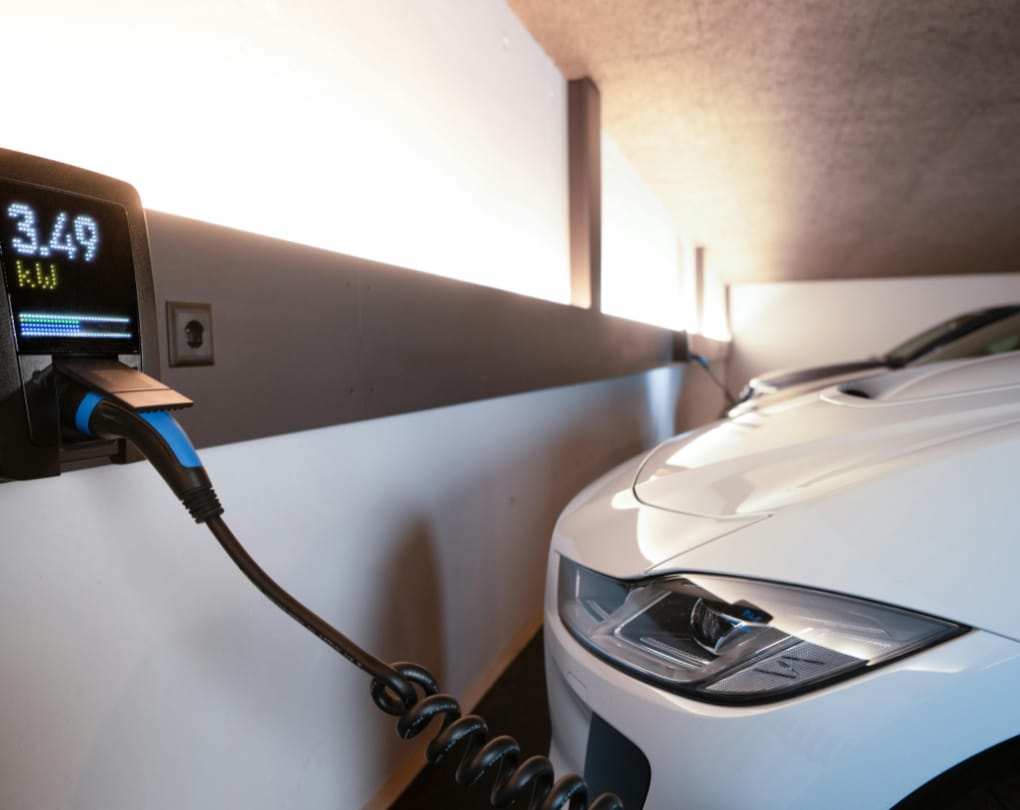
The cost of EV charging condo Canada installation varies depending on the building's existing infrastructure, the distance between the electrical panel and the parking stall, and the type of charger selected. For a straightforward installation in a building with adequate electrical capacity, owners can generally expect to pay between $1,500 and $4,000 for a Level 2 charger, including hardware and installation labour. In buildings that require significant electrical upgrades or longer conduit runs, costs can climb higher.
Some municipalities and utility providers offer rebates or incentive programs to offset EV charger installation costs. In Ontario, programs have been available through various channels to help reduce the upfront cost for both individual owners and condominium corporations installing shared charging infrastructure. Checking current federal and provincial rebate availability before proceeding is worthwhile, as these programs change periodically.
Building-Wide vs. Individual Charging Solutions
Some condo corporations take a building-wide approach to electric vehicle charger condo ontario infrastructure rather than handling individual owner requests one at a time. This involves partnering with a commercial EV charging network provider to install and manage a set of shared chargers in the parking garage, with residents paying per use or through a subscription model.
This approach spreads the infrastructure cost across the corporation rather than individual owners, reduces the administrative burden on the board, and provides a scalable solution as demand grows. For buildings just beginning to address EV charging, a managed network solution is often a practical starting point that satisfies current residents while laying the groundwork for broader adoption.
What to Do If Your Board Is Unresponsive
If you have submitted a request for condo ev charging installation and the board has not responded or has refused without reasonable grounds, you have options. In Ontario, owners can escalate unresolved disputes through the Condominium Authority Tribunal, which handles a range of disputes between owners and corporations, including those related to governing document compliance. Documenting your request in writing and keeping records of all correspondence with management is the first step in building a case if escalation becomes necessary.


