
A proper condo inspection checklist should evaluate the condition of the unit’s interior systems (plumbing, electrical, HVAC, appliances), signs of moisture or structural movement, window performance, balcony safety, and the financial health of the condo corporation. While the building maintains common elements, problems inside the unit and weaknesses in the reserve fund can directly affect your costs, comfort, and resale value.
If you read nothing else: when you buy a condo, you are buying both a physical unit and a share in a managed corporation. Inspect both carefully.
Why Condo Inspections Matter in Canada
Many buyers believe condos are “lower risk” than detached homes because exterior maintenance is shared. That assumption can be expensive. In most Canadian provinces, you are responsible for everything inside the drywall, which typically includes plumbing fixtures, appliances, electrical panels, flooring, and sometimes in-suite heating and cooling systems.
At the same time, your monthly condo fees and potential special assessments depend on how well the building has been maintained. Housing guidance often recommends reviewing both the physical unit and the condominium documents before purchasing to better understand the true cost of ownership
Skipping inspection, especially in competitive urban markets, increases risk. A staged unit can look flawless while hiding expensive mechanical or moisture issues.
Room-by-Room Condo Inspection Guide

Entryway and Overall Condition
Your inspection begins the moment you step inside. Do not focus on paint colour or décor. Instead, assess the fundamentals of the space.
Walk slowly and feel the flooring beneath you. It should feel solid and level. Doors should open and close smoothly without rubbing against frames. Cracks in drywall may be cosmetic, but large or uneven cracks can suggest structural movement or past water intrusion.
Pay attention to odours. A musty smell can indicate ventilation or moisture problems. Overly strong fragrances sometimes mask underlying issues.
Key things to evaluate:
- Level flooring and secure baseboards
- Doors and locksare functioning properly
- No visible water stains on ceilings or walls
Living Room and Windows
Windows are particularly important in Canadian condos due to temperature extremes. Failed window seals can result in condensation between panes, reducing insulation performance and increasing heating costs.
Stand near windows and feel for drafts. Inspect the surrounding drywall for bubbling paint or staining. In high-rise buildings, water infiltration around window frames is not uncommon, especially in older towers.
Also, test electrical outlets and light switches. Electrical repairs inside the unit are typically the owner’s responsibility.
Focus on:
- Window seal integrity and drafts
- Signs of previous leaks around frames
- Functional outlets and lighting
Kitchen: Where Costs Add Up Quickly
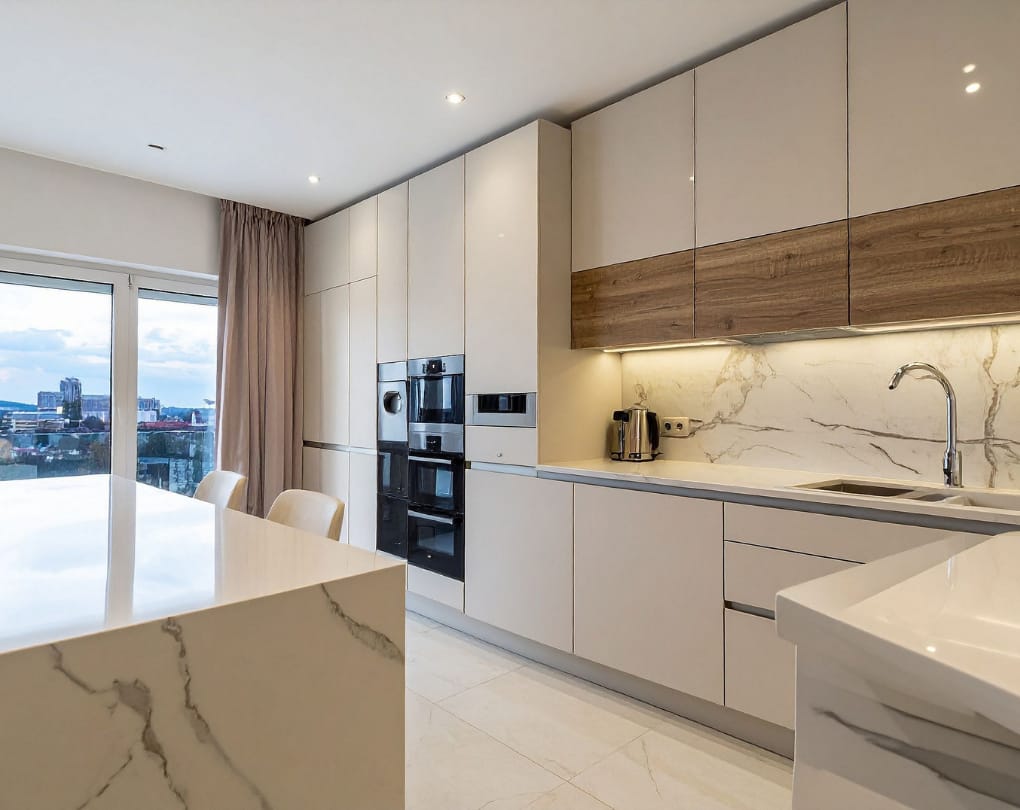
The kitchen is often the most expensive room to repair. Turn on the faucet fully and observe water pressure and drainage speed. Slow drainage may indicate a buildup or larger plumbing concerns.
Open cabinets under the sink and look carefully for swelling or discoloration; even small leaks over time can damage cabinetry and subflooring. Test appliances rather than assuming they work. Run the dishwasher briefly. Turn on the stove burners and oven.
Thecabinet'st condition also tells a story. Warping near the base often signals previous moisture exposure.
Inspect carefully:
- Plumbing under sinks
- Appliance performance
- Cabinet swelling or water damage
Bathrooms: High Moisture Risk Area
Bathrooms present the highest risk for hidden damage. Run showers and sinks for several minutes to test pressure and drainage. Examine grout lines and caulking; deteriorating seals allow water to seep into walls and floors.
Turn on the exhaust fan. Inadequate ventilation contributes to mould growth, particularly in high-density condo buildings where airflow can be limited.
Look up at the ceiling. Yellowing or patchwork repairs may indicate plumbing leaks from the unit above, a common issue in stacked buildings.
Pay attention to:
- Water pressure and drainage
- Proper ventilation
- Ceiling staining or soft flooring
Bedrooms: Comfort and Sound Transmission
Bedrooms offer insight into insulation and noise transfer. Windows should open easily and seal tightly. Heating vents should distribute warm air evenly.
Spend a few quiet moments listening. Can you hear conversations or footsteps from neighbouring units? Sound transmission affects daily comfort and resale value.
Evaluate:
- Window seals and insulation
- Vent airflow
- Noise levels from adjacent units
HVAC and Mechanical Systems
Heating and cooling systems vary widely across Canadian condos. Some units use fan coil systems, others heat pumps or baseboard heaters. In many buildings, in-suite systems are the owner’s responsibility.
Test the thermostat and listen for unusual mechanical sounds. Ask about service history if possible. HVAC replacement costs are often underestimated by first-time buyers.
Check:
- Thermostat responsiveness
- Airflow consistency
- Signs of aging equipment
Electrical and Plumbing Systems
Inspect the electrical panel to ensure it is accessible and properly labelled. Older buildings may have outdated wiring that affects insurance coverage.
Plumbing should provide consistent water pressure without leaks. Look for corrosion on pipes and confirm shut-off valves are accessible.
Because plumbing systems connect multiple units vertically, a problem in one unit can affect others.
Confirm:
- Panel condition and capacity
- No corrosion under sinks
- Accessible shut-off valves
Balcony or Terrace
Balconies are often classified as limited common elements, meaning responsibility may be shared between the owner and corporation. Inspect the surface for cracks, loose railings, and water pooling.
Balcony restoration projects are common in older buildings and may trigger special assessments if reserve funds are insufficient.
Inspect for:
- Structural cracks
- Drainage issues
- Stable railings
Reviewing the Building’s Financial Health
A condo inspection checklist is incomplete without reviewing condominium documents. In Ontario, buyers receive a status certificate. Other provinces provide comparable disclosure packages.
Examine reserve fund balances, recent fee increases, pending litigation, and planned major repairs. The Condominium Authority of Ontario offers guidance on understanding condo governance and financial obligations.
A weak reserve fund can lead to large, unexpected special assessments.
Essential Considerations
A condo inspection is not about identifying minor cosmetic flaws. It is about understanding mechanical risk, moisture exposure, and financial stability. Buying a condo in Canada means evaluating both the physical unit and the corporation that manages the building.
Taking the time to inspect thoroughly can prevent costly surprises and protect your long-term investment.
Frequently Asked Questions
Is a condo inspection required in Canada? No, but it is strongly recommended to reduce financial risk.
What does a condo inspection include? Interior systems, plumbing, electrical, HVAC, appliances, and visible structural components.
Do condo inspectors review reserve funds? No. Buyers must review financial documents separately.
Can condo fees increase after purchase? Yes. Fees may rise due to maintenance needs or reserve shortfalls.


