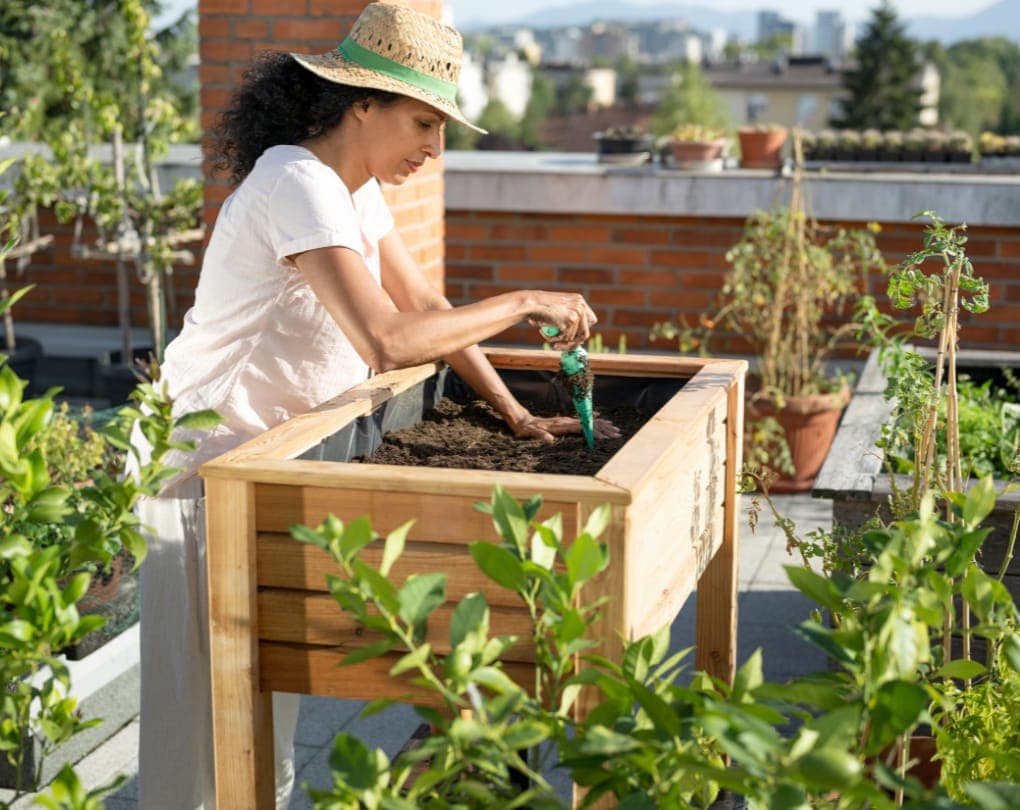
Balcony gardening is one of the most rewarding things a condo owner can do with their outdoor space, and one of the most common sources of confusion about what is actually permitted. The good news is that condo balcony gardening in Canada is entirely possible in most buildings, and with the right approach, even a small balcony can produce herbs, vegetables, flowers, and greenery that genuinely transform how the space looks and feels. The starting point, as with most things in condo living, is understanding the rules that apply to your specific building.
What Condo Garden Rules Typically Cover
Balconies in most condominium buildings are exclusive-use common elements, meaning you have the right to use them, but the condo corporation retains ownership and sets the rules around what can be placed on them. Condo garden rules in Canada vary from building to building, but several common restrictions apply across many corporations.
Weight is one of the most frequently cited concerns. Balcony slabs have load limits, and large planters filled with wet soil can be heavier than they appear. A single large ceramic planter filled with soil can weigh well over 50 kilograms, and a full balcony garden with multiple containers can add up quickly. Most buildings do not specify exact weight limits in their rules, but boards have the authority to require the removal of items they deem a structural concern. Lightweight container options, such as fabric grow bags, fibreglass planters, or plastic pots, address this concern without sacrificing growing capacity.
Drainage is another common issue. Water draining from balcony planters can stain the balcony slab, run down the building's exterior, or drip onto balconies below all of which can lead to complaints and compliance notices. Using drip trays under all containers, choosing self-watering planters with reservoirs, and watering carefully rather than flooding containers keep drainage under control and keep neighbours happy.
Some buildings also have restrictions on the height of plants or structures on balconies, on attaching anything to railings, or on the overall appearance of the balcony as seen from the street or neighbouring units. Reviewing your building's rules before investing in a full garden setup prevents having to remove plants or planters after the fact.
What Grows Well on a Condo Balcony
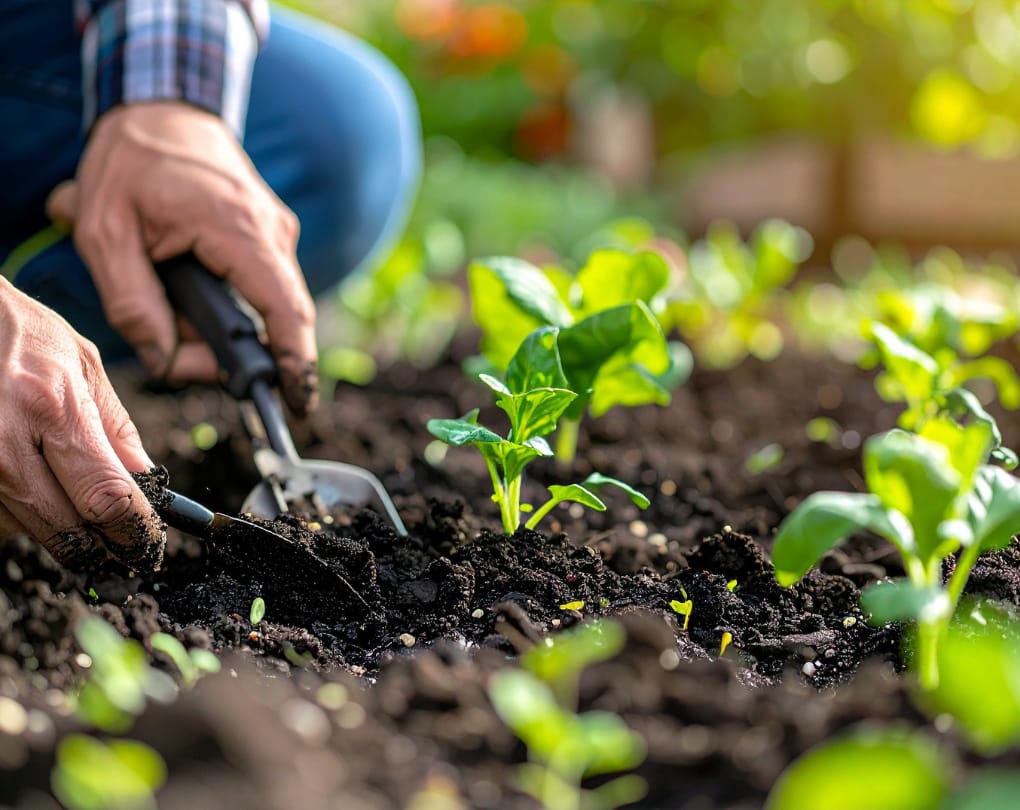
Once you know the rules, the practical question is what will actually thrive in your space. Successful growing plants on a condo balcony depends on three key variables: sunlight exposure, wind, and container size.
Herbs
Herbs are the single best starting point for condo balcony gardening. Basil, mint, chives, parsley, rosemary, thyme, and cilantro all grow well in small containers, produce quickly, and reward regular harvesting with continued growth. A south- or west-facing balcony with several hours of direct sun per day is ideal for most herbs. Even a partially shaded balcony can support mint, parsley, and chives without difficulty.
Vegetables
Many vegetables grow surprisingly well in containers on a balcony, given adequate sun. Tomatoes, particularly cherry and patio varieties bred for container growing, are among the most popular choices for condo balcony gardening in Canada. Lettuce, spinach, kale, radishes, and green onions are well-suited to container growing and can be harvested repeatedly through the season. Peppers, beans, and cucumbers are also viable with the right container size and sun exposure.
Flowers and Ornamentals
Flowering annuals like petunias, geraniums, marigolds, and calibrachoa thrive in balcony containers and provide colour from late spring through the first frost. Ornamental grasses and trailing plants add texture and movement. For year-round visual interest, a combination of flowering annuals in summer and evergreen arrangements or ornamental kale in the colder months keeps the balcony looking alive throughout the year.
Practical Tips for Balcony Gardening Success
Choose the Right Containers
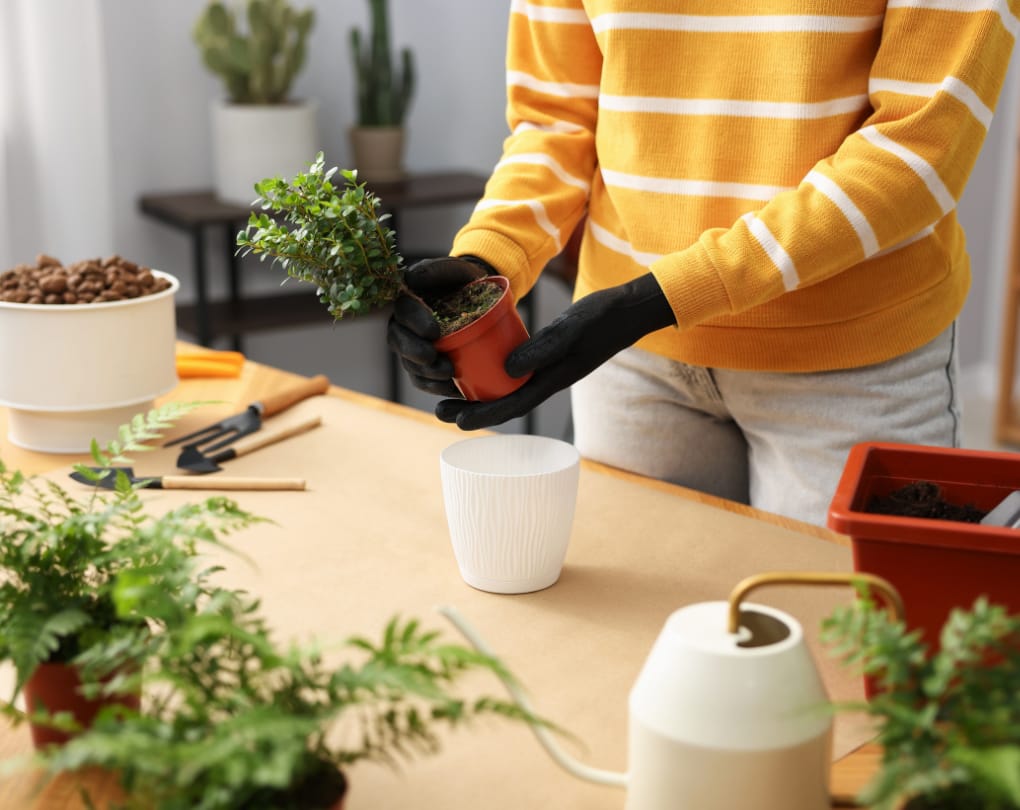
Lightweight containers, fabric grow bags, fibreglass, or high-quality plastic are the most practical choices for balcony gardening. They reduce the weight load on the balcony slab, are easier to move and store for winter, and, in the case of fabric bags, provide excellent drainage and root aeration. Always use drip trays to contain excess water and protect the balcony surface.
Use Quality Potting Mix
Garden soil from the ground is too heavy and dense for container growing; it compacts quickly and drains poorly. A quality potting mix designed for containers provides the drainage, aeration, and nutrient retention that balcony plants need. Adding slow-release fertilizer at planting time reduces the need for frequent liquid feeding through the season.
Account for Wind
High-rise balconies in particular can be significantly windier than ground-level gardens, which accelerates soil drying and can damage tall or fragile plants. Choosing compact, wind-tolerant varieties, grouping containers to create a windbreak effect, and checking soil moisture more frequently than you would at ground level all make a meaningful difference in how well your garden performs.
Making the Most of Your Balcony Garden
A well-planned balcony garden does more than grow plants it turns an underused outdoor space into one of the most enjoyable areas of a condo. Starting small, learning what works in your specific light and wind conditions, and expanding gradually produces far better results than filling every available surface in the first season. With the right containers, the right plants, and a clear understanding of your building's condo garden rules canada, a productive and beautiful balcony garden is well within reach for almost any condo owner in Canada.


