
Living in a condo in Canada comes with a special outdoor perk: your very own balcony. However, before you start decorating, it is important to know that condo balcony rules are in place in almost every building across the country. These rules explain what you can place on, do on, and enjoy on your balcony, and what is not allowed. Whether you live in a high-rise in Ontario, a mid-rise in British Columbia, or a newer condo in Quebec, understanding these rules is an important part of condo life. Learning them lets you enjoy your outdoor space and stay on good terms with your neighbours and building management.
Exploring Condo Balcony Rules Canada
Condo buildings create balcony rules to keep all residents safe and comfortable. Common standards help prevent accidents and make sure no one causes problems for their neighbours.
Moreover, balcony rules are outlined in the condo's bylaws and building policies, which are official documents that owners or tenants must follow upon moving in.
Why Condo Balcony Rules Exist in Shared Buildings
Balconies are part of a building where many people live very close together, which is why rules are necessary.
The following are main reasons these rules exist:
- Safety is a top concern, as objects falling from balconies, blocked exits, and fire risks can put many residents in danger.
- Respect for neighbours matters, as noise, smoke, and messy balconies can easily disturb people in nearby units.
- Protecting the building's appearance and property value is another reason, as clean, organized balconies increase the whole building's value.
- Following the rules also helps avoid costly fines or formal complaints from your condo board.
How Condo Balcony Bylaws in Ontario and Other Provinces Work
Here is what residents across Canada should understand about bylaws:
- The condo balcony bylaws Ontario buildings follow are written and enforced by the condo corporation or its board of directors.
- There is a difference between bylaws, rules, and building policies. Bylaws carry the most legal weight, while building policies may be updated more easily by management.
- Residents should always read their condo documents carefully before placing or installing anything on the balcony. TheCondominium Authority of Ontario explains that bylaws must be reasonable and consistent with the Condominium Act, and that owners can request a copy of their corporation's bylaws directly from their condo corporation.
What Is Allowed on Condo Balcony in Most Buildings
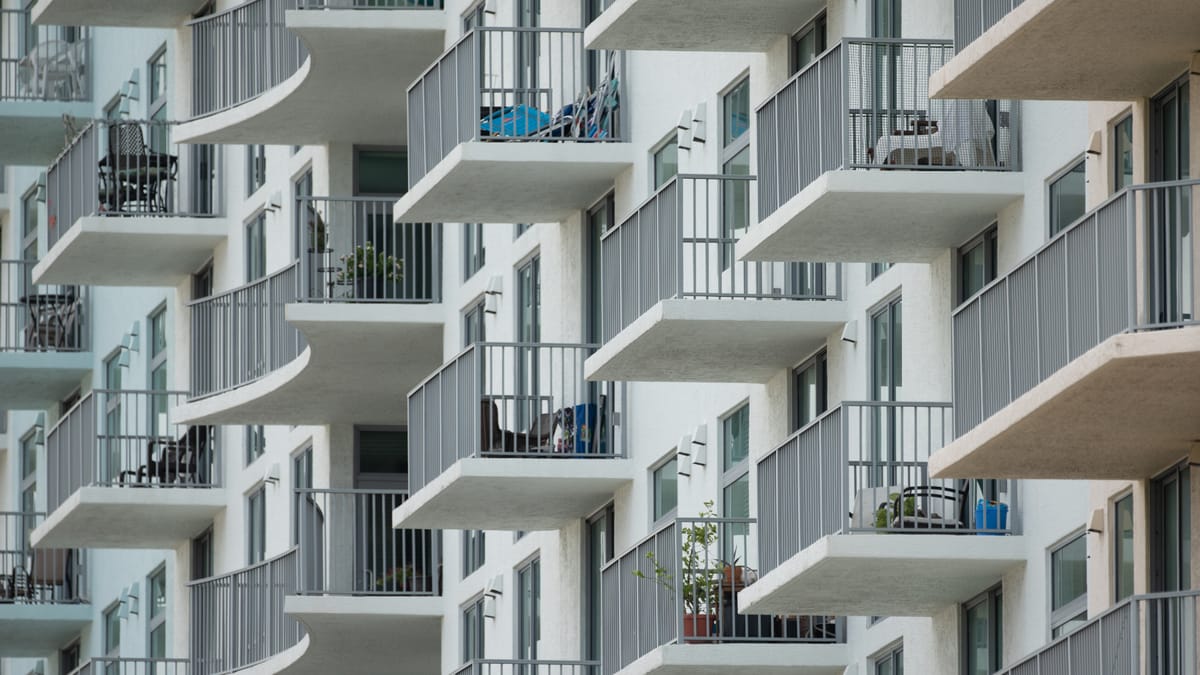
Many condos allow certain items when they are safe, tidy, and follow building policies. Understanding what is allowed on condo balcony spaces helps residents enjoy the area without breaking the rules.
Here are items that are permitted:
- Small outdoor furniture, such as chairs or a compact table, that is made for balcony use.
- Plants and small garden containers, as long as they are placed safely and properly drained, so water does not drip onto lower balconies.
- Decorative items that stay within the railing and do not create hazards for people below.
Activities and Items That Are Often Restricted
Not everything is welcome on a condo balcony. Cooking appliances and open-flame objects are among the leading sources of ignition in residential fires in Canada, along with smoking materials, which account for roughly 60% of such fires.
Many buildings place strict limits on the following:
- Cooking equipment, such as charcoal grills, may be banned due to fire risk and smoke drifting into neighbouring units.
- Large items, such as bikes, boxes, or appliances, are often not allowed as they make balconies look cluttered and create safety hazards.
- Hanging laundry, banners, or objects outside the railing may violate condo balcony rules in Canada, as these items can fall and injure people below.
Enjoying The View While Following Condo Balcony Rules

Your condo balcony is one of the best features of urban living, and following the rules keeps it enjoyable for everyone. Ignoring balcony rules can lead to warnings, fines, or requests to remove items from your space.
Understanding and following your building's policies helps you avoid trouble and be a good neighbour. When every resident respects the shared rules, the whole community benefits from a safer, cleaner, and more enjoyable place to live.


