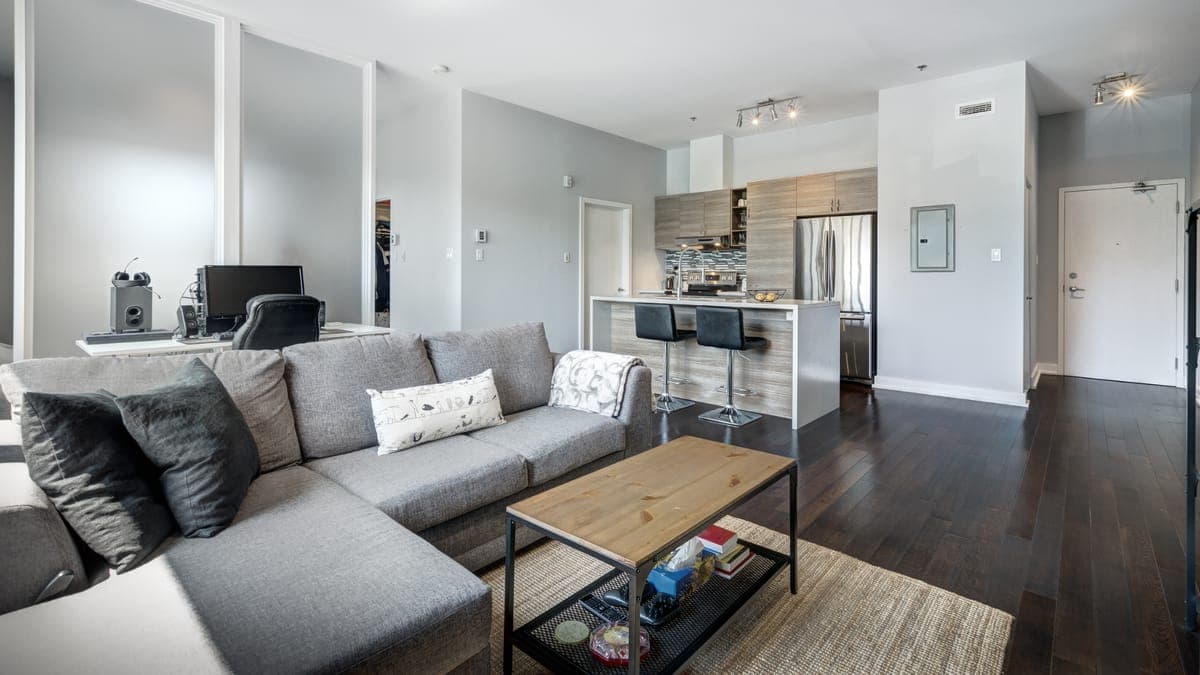
Yes, you can renovate a condo in Canada. However, you cannot start knocking down walls or changing things inside your unit. Most condo buildings require owners to follow rules and get approval before any work begins. This is because condos share walls, pipes, and systems with other units. Your renovation could affect your neighbours or the building. Thus, checking the rules and getting permission first helps you avoid delays, additional costs, and unnecessary problems.
Understanding condo renovation rules is equally essential to choosing the right flooring or paint colour. Each condo building in Canada is managed by a condo corporation that sets rules to protect everyone. Skipping them can result in fines, forced removal of completed work, or legal issues with your condo board. This blog will walk you through everything you need to know before you start planning.
Before Starting: Understand Condo Renovation Rules Canada
Before you start dreaming about new kitchens or open-concept layouts, there are important things every condo owner needs to know: condo buildings are shared communities governed by rules set by the condo corporation, so owners cannot renovate freely. Proactively learning condo renovation rules in Canada helps prevent fines, project delays, or denied renovation requests.
Why Condo Buildings Have Renovation Rules
Renovation rules exist to protect everyone in the building. Here are some of the main reasons these rules are in place:
- Renovation rules protect the building's structure, safety systems, and shared facilities from accidental damage.
- Construction work can create noise, dust, and vibrations that affect neighbouring units.
- Clear rules help buildings manage multiple renovation projects without causing major disruptions to residents.
The Difference Between Unit Ownership and Building Ownership
Many condo owners are surprised to learn that owning a unit does not mean owning everything inside the four walls. Consider these key points:
- Condo owners usually own the interior space of their unit but not structural elements such as concrete slabs, support beams, or external walls.
- The entire building shares systems like plumbing lines, ventilation shafts, and electrical infrastructure.
- Because these systems connect multiple units, renovations require approval even if the work appears to be inside your own unit.
- Understanding these boundaries before planning your project will help you avoid surprises during the approval process.
How Condo Bylaws and Declarations Control Renovations
Every condominium in Canada has bylaws and governing documents that specify which renovations are allowed and which are not. Reviewing them carefully helps owners understand the condo renovation rules Canada that apply to their building, including renovation hours, contractor requirements, and approval steps.
What Renovations Need Approval Condo Owners Should Know
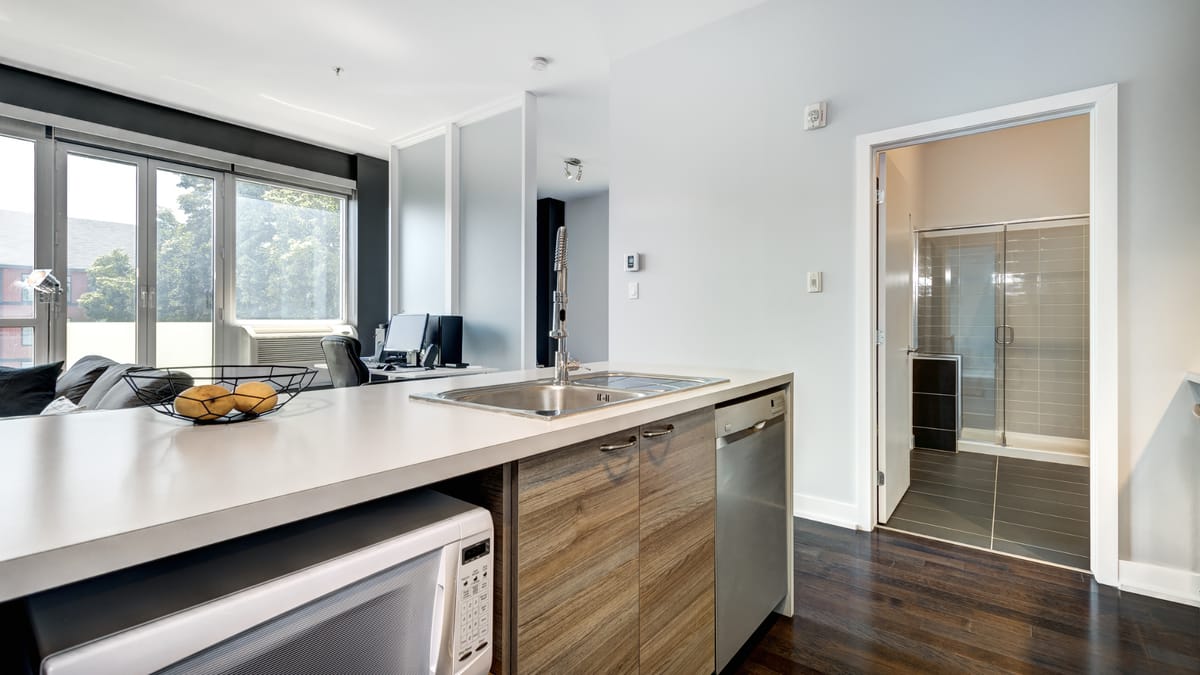
Many renovation projects require condo renovation approval before any work begins. Understanding which renovations require condo board approval helps owners plan projects correctly and avoid costly mistakes.
Structural Changes That Almost Always Require Approval
Some renovations are almost guaranteed to need formal approval. These involve changes beyond cosmetic updates:
- Removing or modifying walls may affect the building's structural support.
- Changes involving plumbing, ventilation, or electrical systems can impact other units.
- Projects that alter load-bearing elements almost always require formal approval and, in some cases, a municipal permit.
Renovations That Affect Shared Areas or Building Systems
Even seemingly simple renovations can trigger the approval process if they affect shared systems. Here are some common examples:
- Installing new plumbing fixtures may connect to shared water supply and drainage lines.
- Replacing flooring with hardwood or tile can increase noise levels for neighbours below.
- Changes involving windows, balconies, or exterior walls may affect the building's appearance and safety.
Condo Renovation Approval Process and Typical Renovation Costs
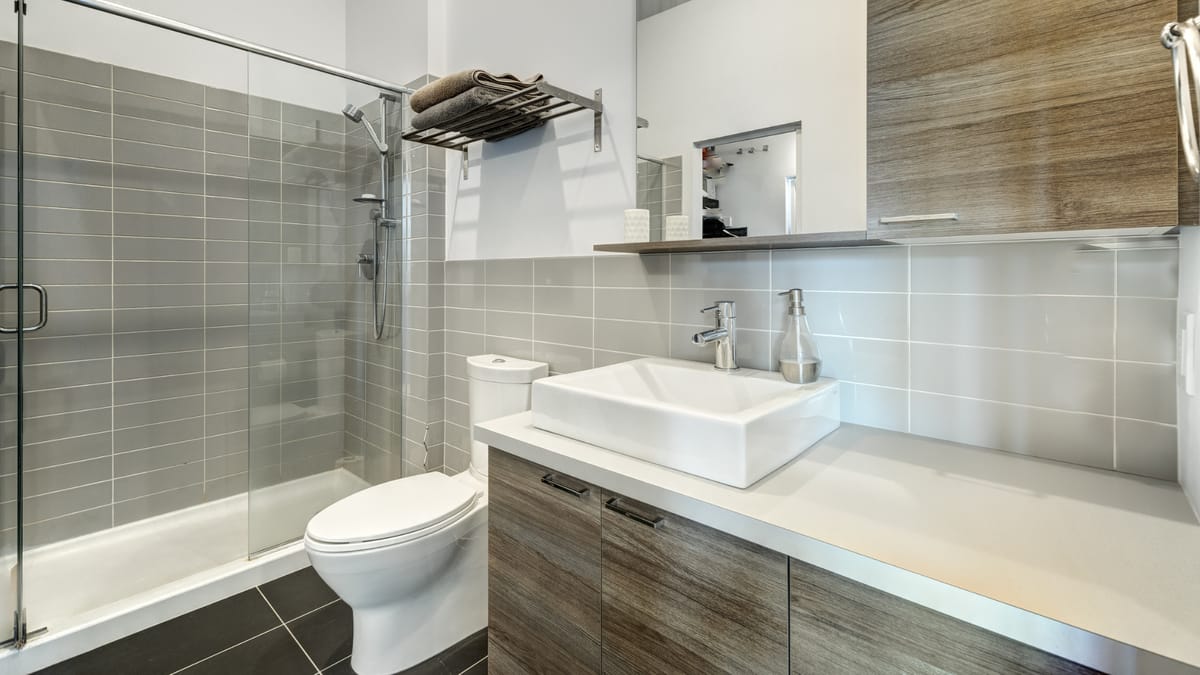
Condo boards follow a formal condo renovation approval process before work can begin, and renovation costs vary across Canada depending on city labour costs, building restrictions, and project scope.
Steps to Get Condo Renovation Approval
The approval process protects everyone in the building, including you. Here is how it works:
- Owners submit a renovation application with project plans and contractor details for the board to review.
- The condo board or property manager checks that the proposal follows building bylaws and safety requirements.
- Approval may require permits, contractor insurance certificates, and refundable damage deposits.
Permits, Insurance, and Contractor Requirements
Beyond board approval, there are additional requirements before construction starts:
- Condo boards often require contractors to carry liability insurance and hold proper licences.
- Some renovations also require municipal permits, depending on the type of work.
- These requirements protect both the building and its residents throughout construction.
Average Condo Renovation Costs in Major Canadian Cities
Renovation costs vary widely depending on where you live and what you are updating. Recent data shows that a growing number of Canadian condo owners are investing significantly in their units, with renovation activity increasing steadily in major urban markets.
Here is a general overview of what owners can expect to pay:
- In Toronto, basic upgrades cost $30,000 to $60,000, while a full redesign can range from $60,000 to $120,000.
- In Vancouver, costs average $150 to $300 per square foot, with full renovations ranging from $60,000 to $120,000 or more.
- A condo bathroom renovation in Toronto averages around $25,000, with a range of $9,000 to $40,000 for full remodels.
- A full condo renovation across Canada may cost $60,000 to $75,000 for older units, while newer units may average $30,000 to $40,000 for upgrades.
Planning Your Condo Renovation the Right Way
Renovating a condo is one of the smartest investments you can make in your living space, but only when done the right way. Successful projects start with a clear understanding of condo renovation rules Canada, a solid plan, and proper condo renovation approval from your building's governing body. Taking shortcuts may seem tempting, but ignoring the rules can lead to fines, forced demolition of completed work, and strained relationships with your condo board. Approaching your renovation with patience and preparation will set you up for a result you can truly be proud of.
By reviewing your building's bylaws, confirming which renovations need approval from condo boards, and working with licensed contractors, condo owners can complete projects smoothly while protecting their investment. A well-planned renovation improves your living space and adds real value to your unit in a competitive Canadian real estate market. Start with the rules, follow the process, and you will be well on your way to creating the condo of your dreams.


