
In almost all Canadian condo buildings, the answer is no, you cannot put a hot tub on a condo balcony without formal approval, and in most cases, approval is unlikely. The reason isn’t preference or aesthetics. It’s structural load, liability, and building safety.
Balconies in condominium buildings are engineered for specific weight limits. A filled hot tub can weigh thousands of pounds, far beyond what most balconies are designed to support.
Before considering installation, it’s important to understand how structural limits and condo governance intersect.
The Structural Weight Problem
A standard small hot tub can weigh:
- 500–1,000 pounds empty
- 2,000–4,000+ pounds when filled with water and occupants
Water weighs roughly 8.3 pounds per gallon. Even a compact spa can hold 300–400 gallons.
Most condo balconies are designed for live loads ranging between 4 and 100 pounds per square foot, depending on the building code and age of construction. Concentrated loads like a hot tub distribute weight unevenly and can exceed safe thresholds.
Structural failure risk is not theoretical. Overloading a balcony can cause cracking, deflection, or catastrophic collapse.
The National Building Code of Canada establishes structural load requirements for residential construction, and condo boards are obligated to maintain compliance with those standards.
Common Elements & Condo Authority
In virtually all condominium corporations in Canada, balconies are classified as common elements even if they are for exclusive use by a specific unit.
That means individual owners do not have the unilateral authority to add heavy structures or modify the balcony.
Installing a hot tub would typically require:
- Formal board approval
- Structural engineering review
- Proof of compliance with building code
- Insurance verification
Most boards will reject requests immediately due to risk exposure.
Condo insurance typically works alongside thebuilding’s master policy, which means owners are still responsible for coverage inside their unit. If you install new appliances, it’s important to notify your insurer and make sure your coverage is adequate.
Water Damage & Drainage Risks
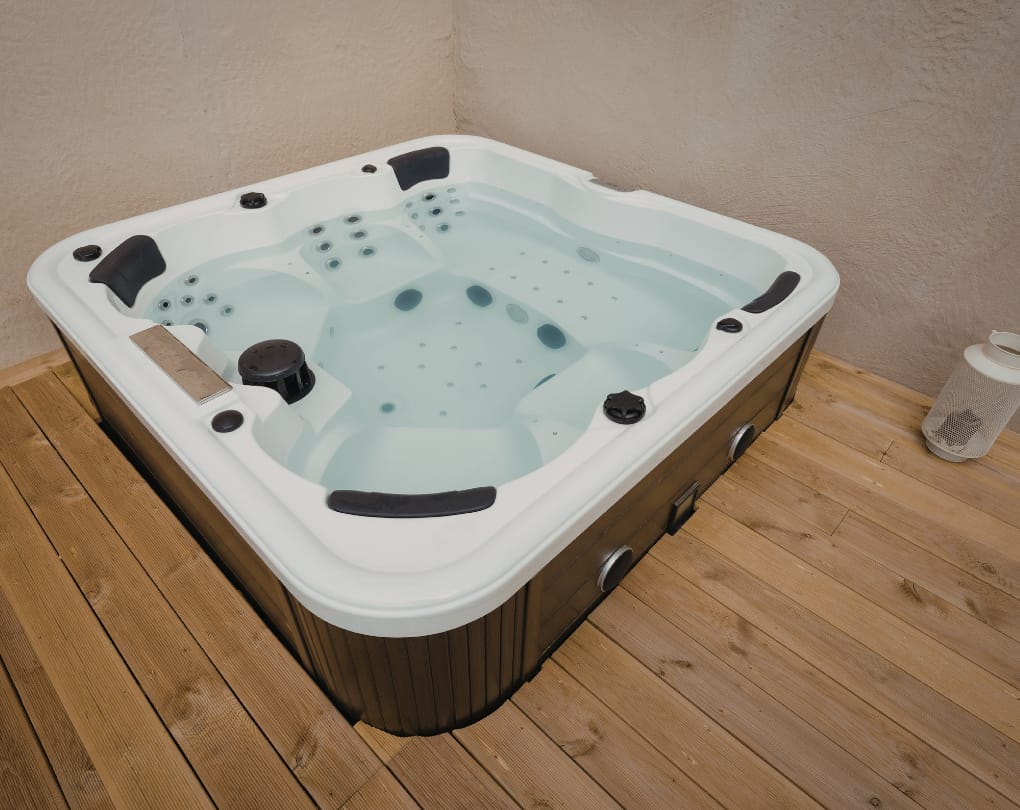
Beyond weight, hot tubs introduce water risk.
Potential concerns include:
- Overflowing water
- Drainage issues
- Leaksare damaging units below
- Freezing and thawing damage in winter
In high-rise buildings, water intrusion can affect multiple units. Even minor leaks can create major repair costs.
In condominium buildings, proper water management is essential because uncontrolled water exposure can quickly spread and affect multiple units.
Electrical & Safety Requirements
Hot tubs require dedicated electrical circuits and often high-voltage connections.
In condos, electrical infrastructure is shared, and capacity may be limited. Improper installation increases fire and shock risk.
All electrical work must comply with provincial electrical codes and be completed by licensed contractors.
Even if technically feasible, electrical upgrades alone may not justify the structural risks involved.
Insurance & Liability Exposure
If a balcony collapses or water damage occurs, liability can extend far beyond the individual unit.
Condo corporations carry master insurance policies covering common elements. However, individual owners may still be held responsible if they introduced an unauthorized structure.
The Insurance Bureau of Canada explains how liability can apply when an owner’s actions cause damage affecting other units.
Boards are understandably cautious about approving installations that increase collective insurance exposure.
When Might It Be Allowed?

Hot tubs are more feasible in:
- Ground-floor units with reinforced patio slabs
- Townhouse-style condominiums
- Units with private yard areas designed for heavier loads
Even then, engineering approval is required.
In high-rise towers with cantilevered balconies, approval is extremely unlikely.
What Happens If You Install One Without Approval?
Installing a hot tub without board consent can lead to:
- Immediate removal orders
- Legal enforcement
- Fines (where permitted under provincial law)
- Liability for structural inspections
Because balconies are shared structural components, enforcement is taken seriously.
What Condo Owners Should Know Before Adding a Hot Tub
In most Canadian condos, putting a hot tub on a balcony is not permitted due to structural, safety, and liability concerns.
Before even considering installation:
- Review the condo declaration
- Consult property management
- Obtain a structural engineering evaluation
- Seek written board approval
In condominium living, balconies are shared infrastructure. Structural safety always outweighs personal upgrades.


