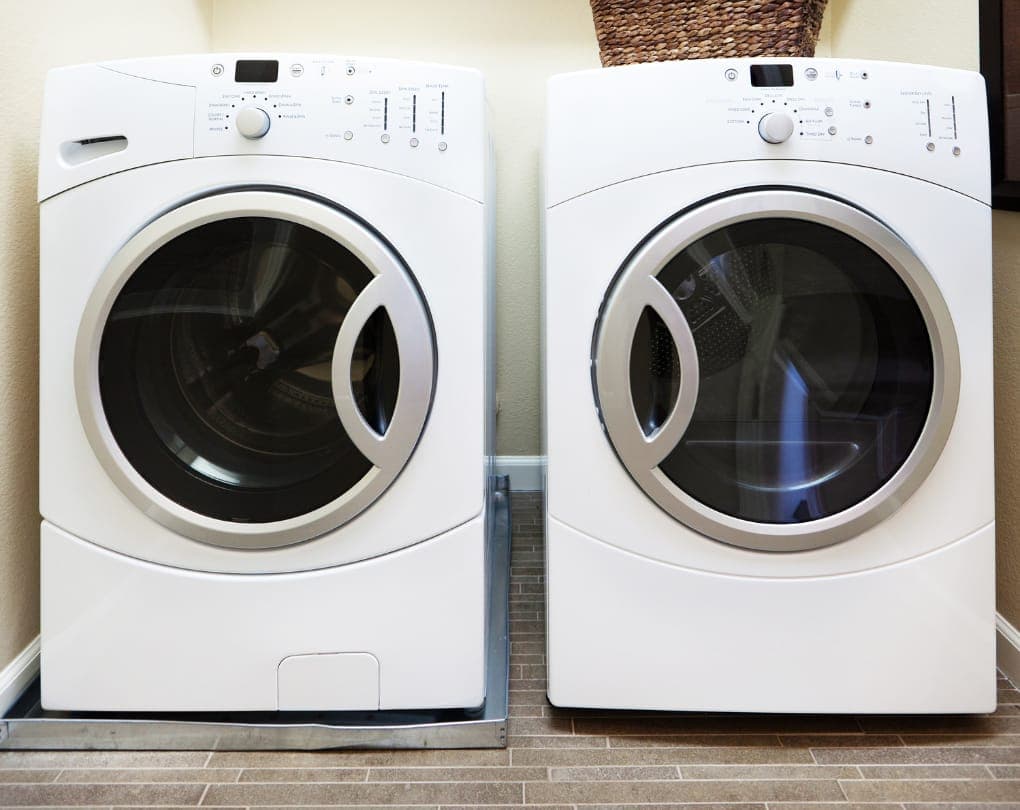
Yes, you can install a washer and dryer in many Canadian condos, but only with proper approval and plumbing capacity. Whether installation is allowed depends on the building’s original design, the condominium declaration, and the potential impact on shared systems.
Unlike detached homes, condos share infrastructure. Plumbing stacks, drainage systems, and water lines are part of a larger building network. Any modification that affects those systems requires oversight.
Before purchasing appliances or hiring a contractor, it’s important to understand how condo governance works.
Start With the Condo’s Governing Documents
Every condominium in Canada operates under a declaration, bylaws, and rules. These documents outline what owners can and cannot modify inside their units.
Some condos were built with in-suite laundry already installed. In those cases, replacing an existing washer and dryer is usually straightforward.
However, if the unit was not originally designed for laundry, adding new plumbing or drainage lines typically requires formal board approval.
In Ontario, condo governance operates under the Condominium Act framework, and similar provincial legislation applies in British Columbia, Alberta, and other provinces. These laws give condo corporations authority over structural and shared system modifications.
Why Plumbing Is the Biggest Concern
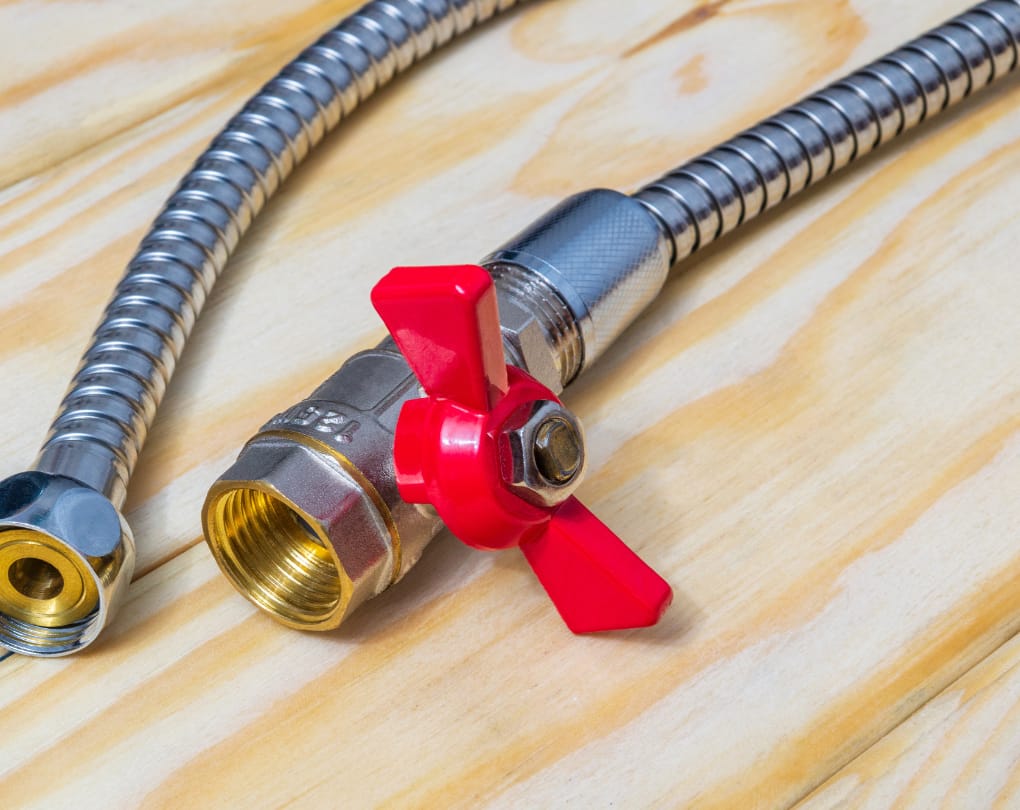
Installing a washer requires three critical components:
- A water supply line
- A drain connection
- Proper venting
Drainage is the primary issue. Condos rely on vertical plumbing stacks shared between units. If an improperly installed washer overloads the system, leaks or backups can affect multiple floors.
Because of this risk, many condo boards require:
- Licensed plumber installation
- Engineering approval in some cases
- Proof of liability insurance
- Noise mitigation plans
Boards must protect the building’s infrastructure and other residents.
Electrical & Venting Considerations
Dryers add additional complexity.
Electric dryers require proper voltage and dedicated circuits. Gas dryers are rarely permitted unless the building was originally designed for gas service.
Venting is another issue. In high-rise condos, external venting is often not possible without altering the building envelope. As a result, many condos only allow condenser or ventless dryers.
Altering exterior walls or common elements typically requires board approval.
Multi-unit buildings rely on shared infrastructure, which means systems such as plumbing, HVAC, and electrical networks must be carefully managed to avoid affecting other units.
Noise and Vibration
Laundry machines create vibration. In high-rise buildings, this can transmit through concrete slabs into neighbouring units.
Boards may require:
- Anti-vibration pads
- Limited operating hours
- Specific installation standards
Noise complaints can trigger enforcement under nuisance clauses in provincial condo legislation.
Insurance & Liability
If a washer leaks and causes water damage to units below, liability can become complicated.
Most condo corporations maintain a master insurance policy covering common elements. However, individual unit owners are typically responsible for damage originating within their unit.
Condo insurance typically works alongside the building’s master policy, which means owners are still responsible for coverage inside their unit. If you install new appliances, it’s important to notify your insurer and make sure your coverage is adequate.
When Installation Is Typically Approved
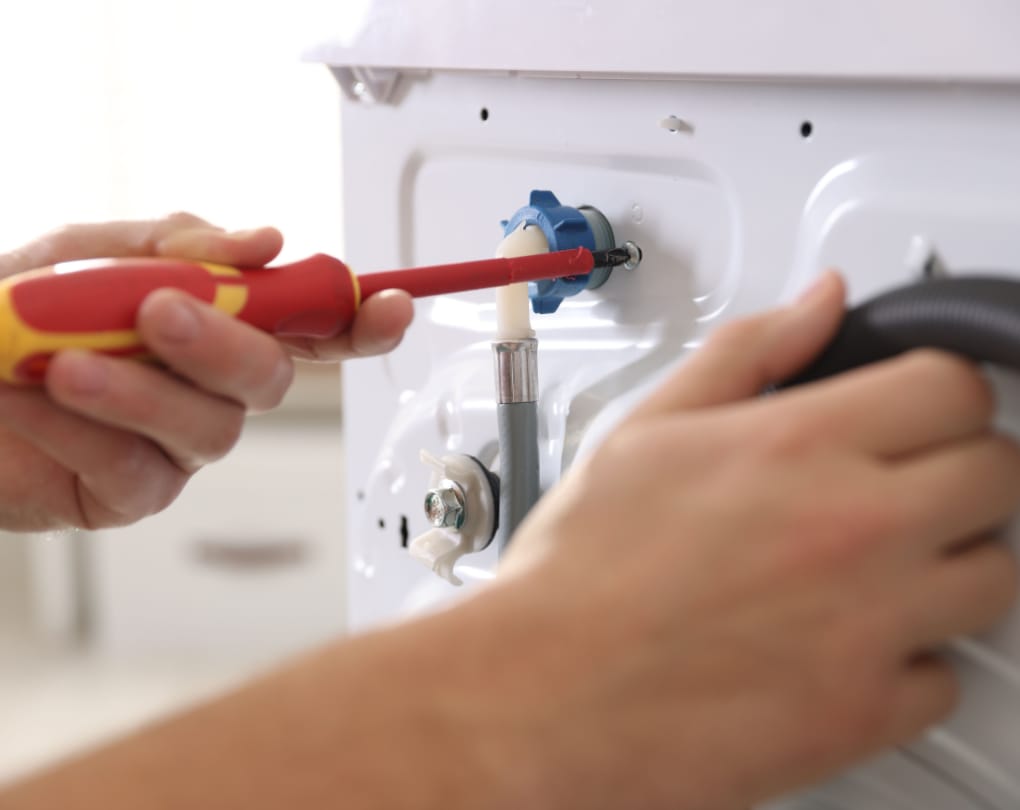
You are more likely to receive approval if:
- The unit previously had laundry
- The plumbing stack is accessible and adequate.
- A licensed contractor performs the work.
- Proper permits are obtained.d
- The dryer is ventless.
Approval is less likely if the modification requires cutting into common elements or significantly altering drainage capacity.
What If the Condo Says No?
If the declaration prohibits in-suite laundry additions, the board may deny the request outright.
Unlike aesthetic upgrades, plumbing changes affect shared systems. Boards are legally obligated to protect the building’s integrity.
If laundry is essential to you, consider purchasing a unit that already includes in-suite laundry rather than attempting to retrofit one.
Installing Laundry in a Condo: What to Remember
Installing a washer and dryer in a condo is often possible but never automatic.
Before purchasing appliances:
- Review the declaration
- Speak to property management
- Confirm plumbing capacity
- Obtain written board approval.
In condos, infrastructure decisions affect more than one unit. Approval isn’t about preference;e it’s about protecting shared systems.


