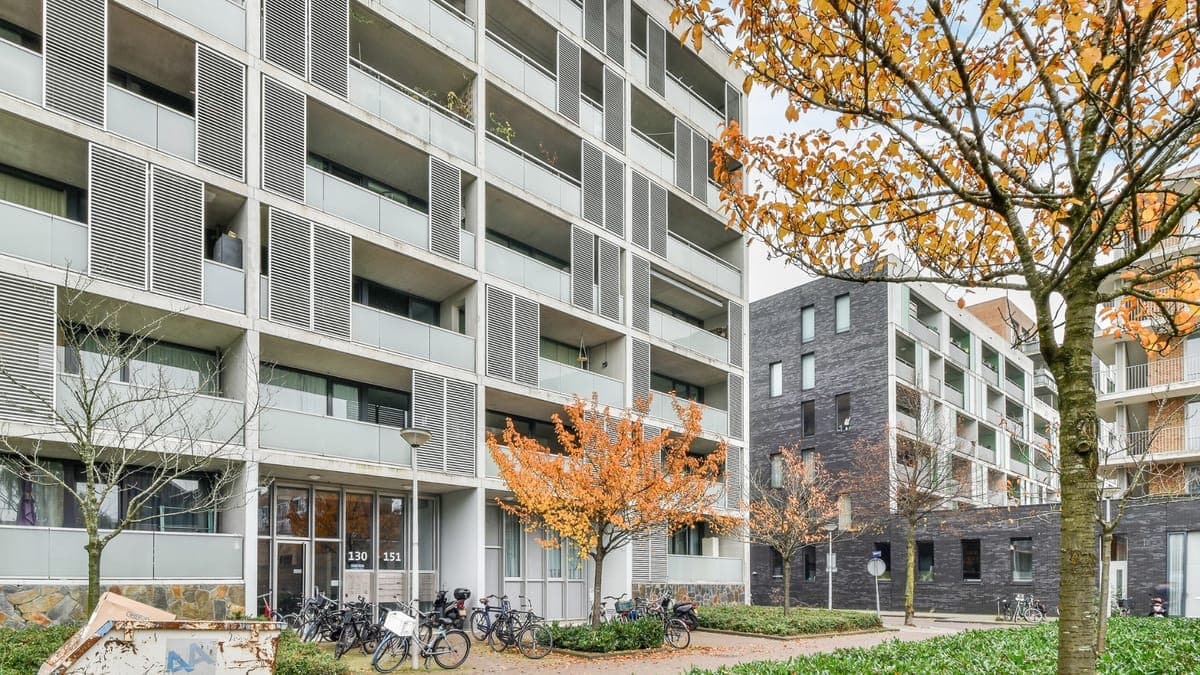
Living in a condo comes with a unique trade-off: you own your unit, but you share everything around it. That distinction is crucial, especially when installing a security camera. Setting up a security camera condo in Canada is legally allowed, but condo owners must navigate building bylaws, Canadian privacy laws, and shared-space boundaries before mounting anything. The sections below cover exactly what you need to know.
Security Camera Condo Canada: Key Considerations Before Installation
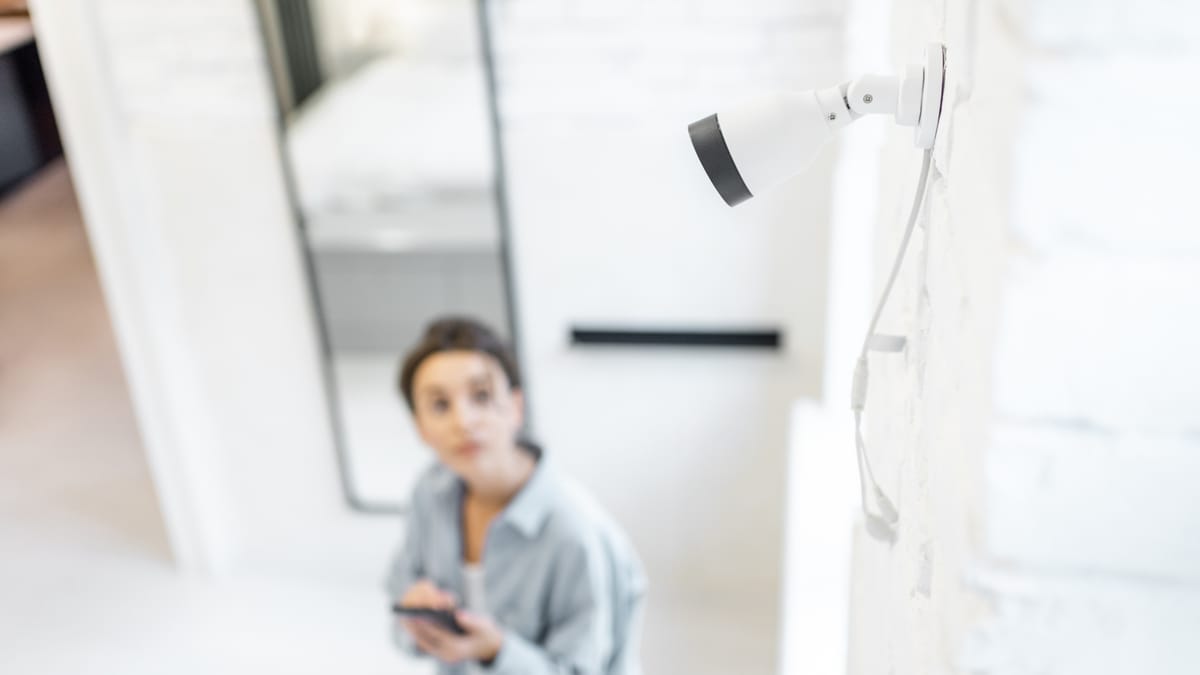
Condo owners should first understand condo security camera rules and building policies before installing any device. Failing to comply can lead to complaints, investigations by privacy commissioners, fines, or even lawsuits. Privacy laws and shared spaces may also limit where a security camera condo setup can be placed.
Review Condo Bylaws and Building Policies About Cameras
Review the following before buying any device:
- Condo corporations often have rules governing modifications within units and around doors or hallways.
- Some buildings allow cameras inside the unit but restrict devices that point toward common areas.
- Always check building guidelines before installing camera in condo unit Ontario to avoid fines or complaints. One real case involved a Mississauga condo board that put up hallway cameraswithout telling unit owners. A resident filed a PIPEDA complaint, and the board was ordered to remove the footage, update signage, and issue an apology.
- Always ask your property manager for a written copy of the building's surveillance policy.
Understand Privacy Laws That Apply to Condo Security Cameras
Canadian privacy rules protect people from being recorded in places where they expect privacy, and cameras should not record neighbours, visitors, or shared areas without consent. In Canada, privacy is governed by laws at both the national and provincial levels, with PIPEDA being one of the key laws that outline rules for collecting, using, and sharing personal information.
Moreover, audio recording adds another layer of concern. Recording private conversations without consent is generally not permitted under Canadian law, so condo owners should be careful when enabling their cameras' microphones. When a PIPEDA violation is confirmed, the penalty for each offence can reach as high as$100,000 CAD. Condo owners should ensure their security camera complies with legal and building privacy policies.
Know the Difference Between Private Units and Common Areas
Understanding what space belongs to you is very important.
Consider the following:
- Private units are spaces owned by the condo resident, where cameras are usually allowed.
- Common areas such as hallways, laundry rooms, garages, and exterior spaces may be used only for legitimate security purposes, and footage recorded without tenants' consent would constitute a privacy breach under Ontario law.
- Recording these areas without board approval may break condo security camera rules.
Consider Camera Placement and Field of View
Cameras should be positioned to focus only on the owner's doorway or interior space, and wide-angle cameras can accidentally capture neighbours or shared hallways. Cameras should be positioned toreduce capturing images of individuals who are not being targeted, and careful placement helps ensure that installing a camera in a condo unit follows privacy expectations. Always test your camera's field of view before mounting it permanently, especially in buildings with narrow corridors.
Best Practices for Installing a Security Camera Condo Canada
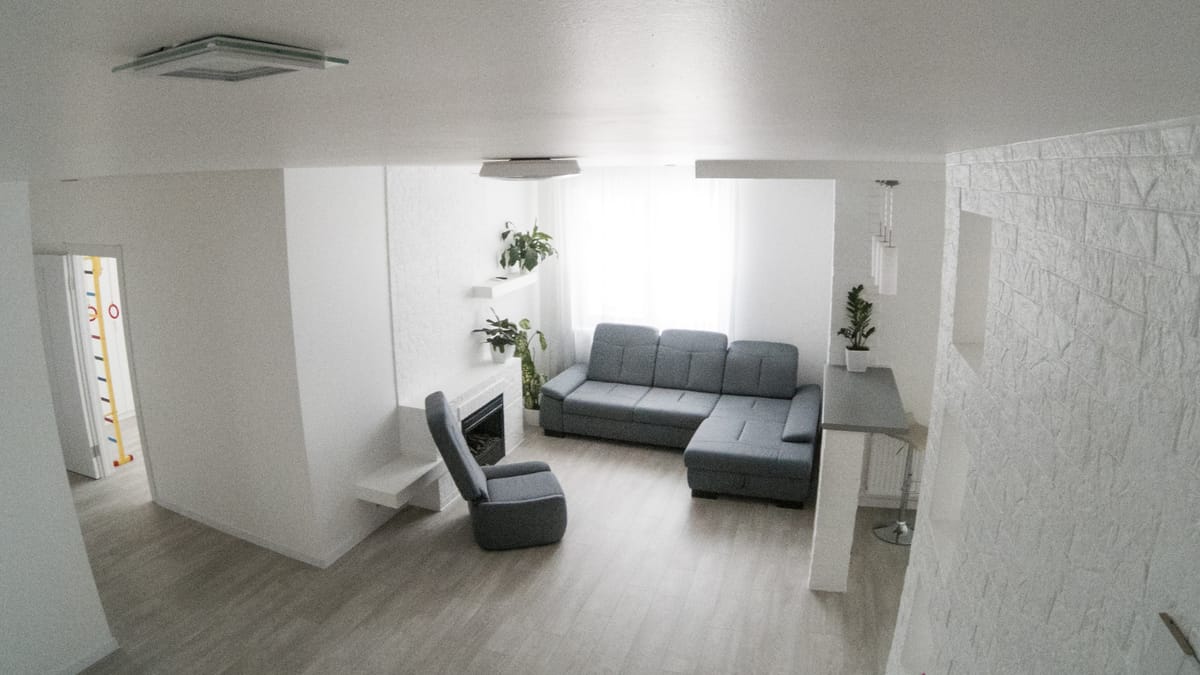
Condo owners can avoid problems by using safe, respectful, and properly placed camera systems. Following clear condo security camera rules also helps maintain good relationships with neighbours and building management.
Owners should keep in mind:
- Choose indoor cameras or doorbell cameras that focus only on your personal entryway.
- Inform the condo board or property manager before installing devices near doors or shared walls.
- Adjust camera angles to avoid capturing hallways, elevators, or neighbouring units.
- Retain recordings only as long as needed, typically 30 to 90 days, then delete.
- Follow all condo policies related to technology, surveillance, and modifications.
Following Condo Security Camera Rules Helps Protect Your Home and Privacy
Installing a security camera condo in Canada setup can improve your home's safety, but only when done correctly. Before installing a camera in a condo unit, review condo bylaws, understand shared spaces, and respect your neighbours' privacy to prevent legal and community issues. Read your building's rules, speak with your property manager, and choose a device that stays focused on your own space. Following condo security camera rules is about being a responsible and respectful member of your community.


