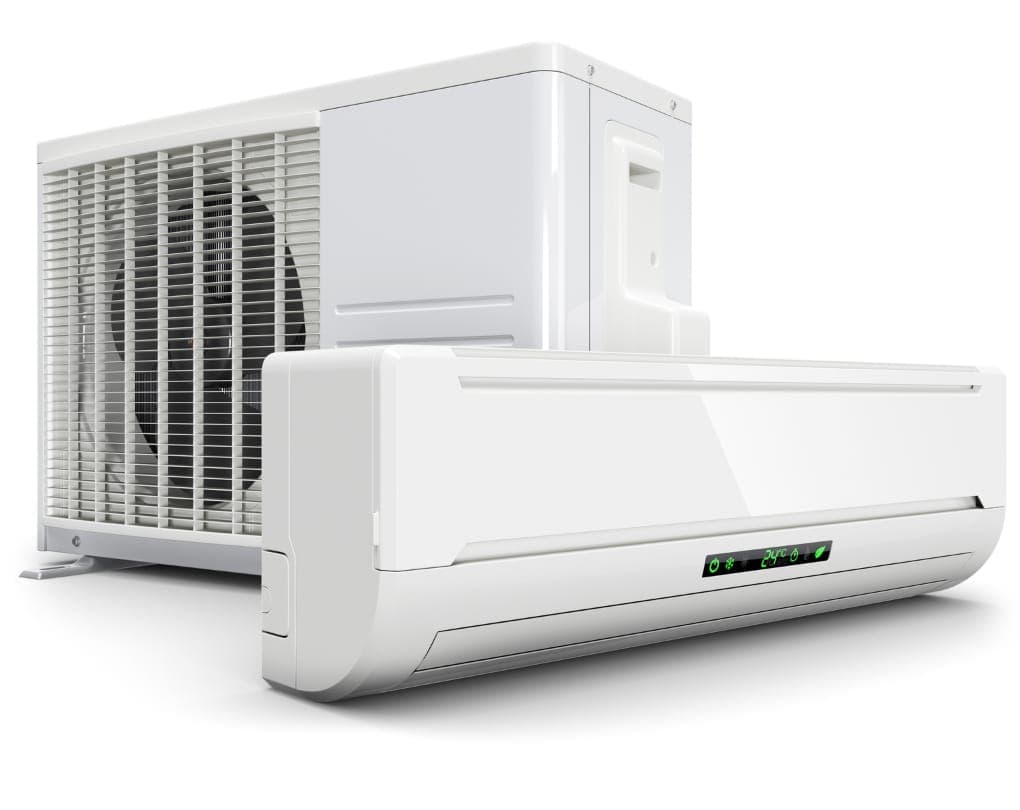
Yes, you can install a mini split air conditioning system in some Canadian condos, but only with approval from the condo corporation and confirmation that the building’s structure and systems can support it. Mini splits are considered mechanical upgrades, and in many cases, they affect common elements such as exterior walls, balconies, and electrical systems.
Before committing to installation, you need to understand both the technical and governance sides of the decision.
What Is a Mini Split System?
A mini split system includes:
- An indoor air-handling unit
- An outdoor condenser
- Refrigerant lines connecting both components
Unlike central air systems, mini splits do not require ductwork. That makes them attractive for older condos without built-in air conditioning.
However, the outdoor condenser unit is the primary obstacle in condominium settings.
Exterior Walls and Common Elements
In most Canadian condos, exterior walls, balconies, and the building envelope are classified as common elements. That means individual owners do not have unilateral authority to modify them.
Installing a mini split typically requires:
- Drilling through an exterior wall
- Mounting a condenser on a balcony or exterior bracket
- Routing refrigerant lines along visible surfaces
Because these actions affect common elements, formal board approval is required.
In provinces like Ontario and British Columbia, condo legislation gives corporationsthe authority to regulate alterations to shared components of the building. Owners cannot bypass this requirement.
Structural & Building Envelope Concerns
Drilling through concrete or brick to install refrigerant lines can compromise the building envelope if done improperly. Poor installation increases the risk of:
- Water intrusion
- Air leakage
- Insulation damage
- Long-term structural deterioration
Condo boards often require:
- Engineering sign-off
- Licensed HVAC contractor installation
- Detailed installation plans
- Proof of liability insurance
The Canada Mortgage and Housing Corporation (CMHC) provides general guidance on building envelope integrity in multi-unit buildings, emphasizing why penetrations must be managed carefully.
Noise and Neighbour Impact
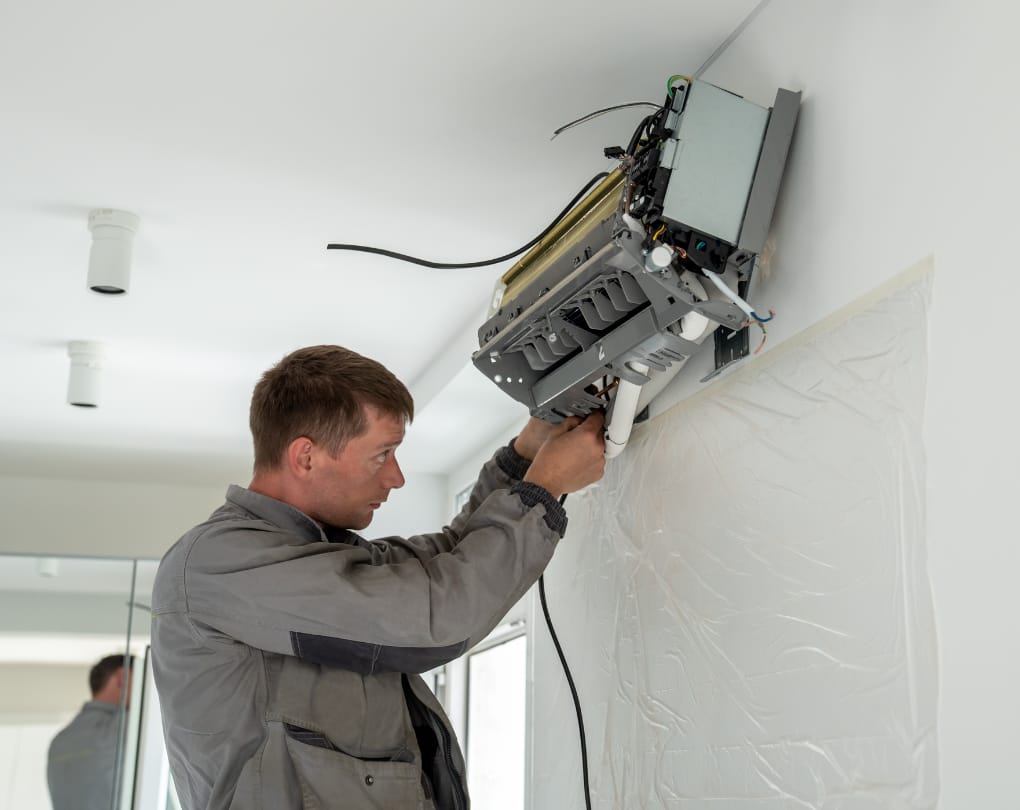
Mini split condensers generate sound and vibration. In a detached home, this is rarely a major issue. In a condo, where balconies are adjacent and units share structural slabs, vibration can travel.
Boards consider:
- Decibel levels
- Placement location
- Vibration dampening
- Impact on neighbouring units
Municipal noise bylaws may also apply, especially in dense urban centers.
Even if technically feasible, a condo board may deny installation if it creates nuisance risks.
Electrical Capacity
Mini splits require dedicated electrical circuits. In older condo buildings, panel capacity may be limited.
If your unit’s electrical system cannot support additional load, upgrades may be required. In some cases, the building’s shared electrical infrastructure may also be a limiting factor.
All electrical work must comply with provincial electrical codes and be performed by licensed professionals.
Aesthetic & Uniformity Rules
Many condo corporations restrict visible exterior modifications for aesthetic consistency.
Even if the system functions properly, visible condensers, line covers, or brackets may conflict with architectural guidelines.
Boards have the authority to preserve a uniform exterior appearance. Some buildings allow mini-splits only if installed in designated mechanical areas or hidden from street view.
When Mini Splits Are More Likely to Be Approved
Approval is more common when:
- The building is low-rise or townhouse-style
- There is an existing precedent within the building
- The condenser can be placed discreetly
- Installation does not penetrate structural elements significantly
- Professional engineering documentation is provided
High-rise towers with centralized HVAC systems are less likely to approve individual mini split installations.
Insurance & Liability
If a mini split causes water damage or structural issues, the owner may be responsible for repairs even if the damage extends beyond their unit.
Condo corporations carry master insurance policies covering common elements. However, individual unit owners must carry personal condo insurance.
The Insurance Bureau of Canada explains how improvements and betterments may need to be covered under an owner’s policy. Installing a mini split is typically considered an improvement that should be disclosed to your insurer.
What If the Condo Refuses?

If the declaration or rules prohibit exterior HVAC additions, the board may deny your request.
Unlike cosmetic renovations, mechanical alterations affect shared infrastructure. Boards are legally obligated to protect the building as a whole.
In some cases, owners can raise the issue collectively and advocate for building-wide cooling upgrades rather than pursuing individual installations.
What Condo Owners Should Know Before Installing a Mini Split
Installing a mini split in a condo in Canada is possible in some buildings, but never automatic.
Before proceeding:
- Review your condo declaration
- Confirm electrical and structural feasibility
- Obtain written board approval
- Hire licensed contractors
- Notify your insurer
In condo living, HVAC upgrades are not just personal decisions. They affect shared systems, neighbours, and long-term building integrity.


