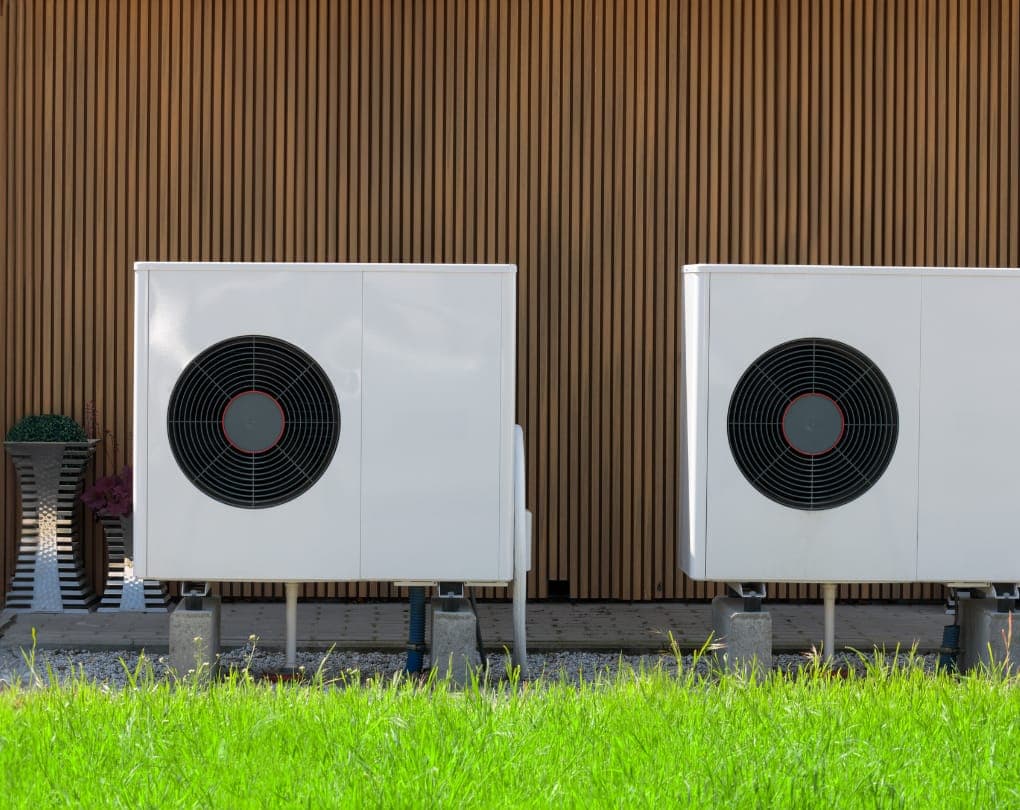
Yes, you can install a heat pump in some Canadian condos, but approval depends on the building’s HVAC design, exterior access, and the condo corporation’s rules. Because heat pumps often require modifications to common elements or building systems, they are rarely considered a simple upgrade.
Before moving forward, it’s important to understand how condo infrastructure works.
Why Heat Pumps Are Different in Condos
A heat pump transfers heat rather than generating it. In detached homes, installation is relatively straightforward. In condos, however, heating and cooling systems may be:
- Centralized (shared building system)
- Fan-coil based
- Water-loop based
- Individually metered
If your condo already uses a central HVAC system, you may not be permitted to replace it with an independent heat pump.
Condo corporations are responsible for maintaining building-wide mechanical systems. Altering those systems without approval can compromise energy balance, ventilation pressure, and efficiency across multiple units.
Most condominium buildings rely on shared mechanical systems, which is why heating and cooling infrastructure usually has to be managed collectively rather than modified by individual units.
Exterior Modifications & Common Elements
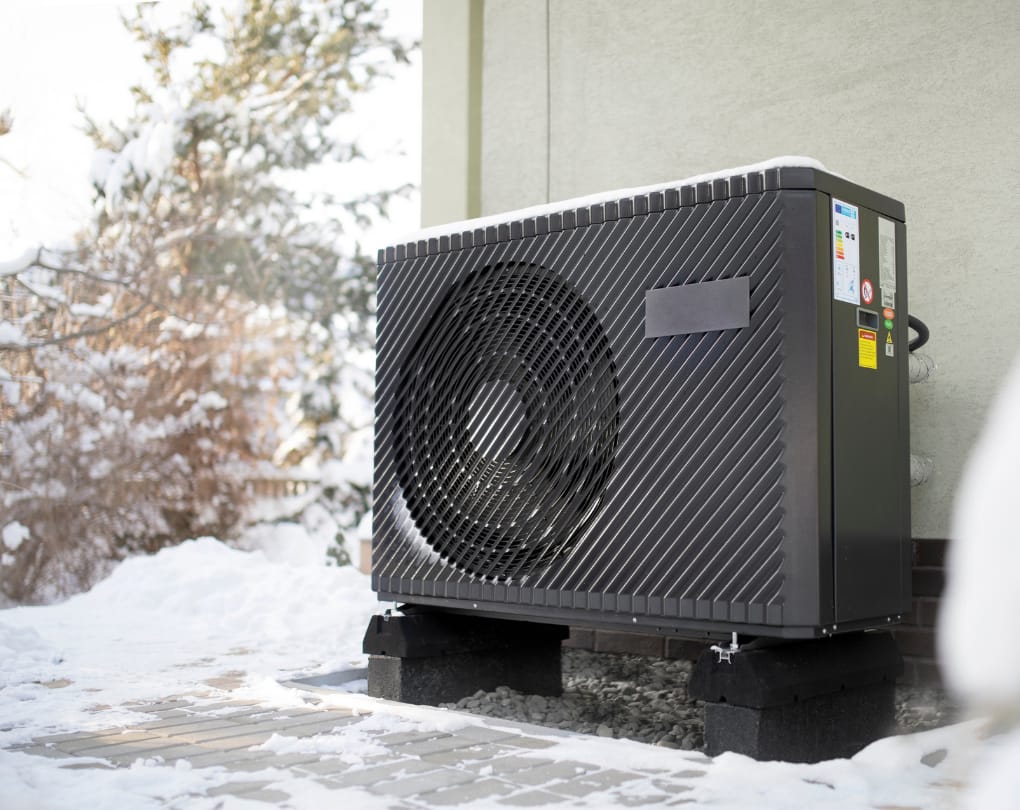
Most heat pumps require an outdoor condenser unit. In high-rise buildings, installing exterior equipment is rarely simple.
Balconies, exterior walls, and mechanical rooms are typically classified as common elements. Any penetration through exterior walls or placement of equipment on a balcony often requires:
- Formal board approval
- Engineering review
- Compliance with building code
- Noise impact assessment
Because these components affect the building envelope, condo boards treat them seriously.
Noise & Vibration Concerns
Heat pump condensers generate sound and vibration. In densely occupied buildings, this can become a source of complaints.
Even if technically feasible, a board may reject installation if noise levels exceed acceptable thresholds.
Municipal noise bylaws also apply, particularly in larger cities.
Electrical Capacity & Safety
Installing a heat pump may require:
- Dedicated electrical circuits
- Upgraded panels
- Coordination with the building’s electrical system
If a building was not designed for individual heat pump installations, the electrical infrastructure may not support additional load.
Any electrical work must comply with provincial code requirements and be performed by licensed contractors.
When Installation Is More Likely
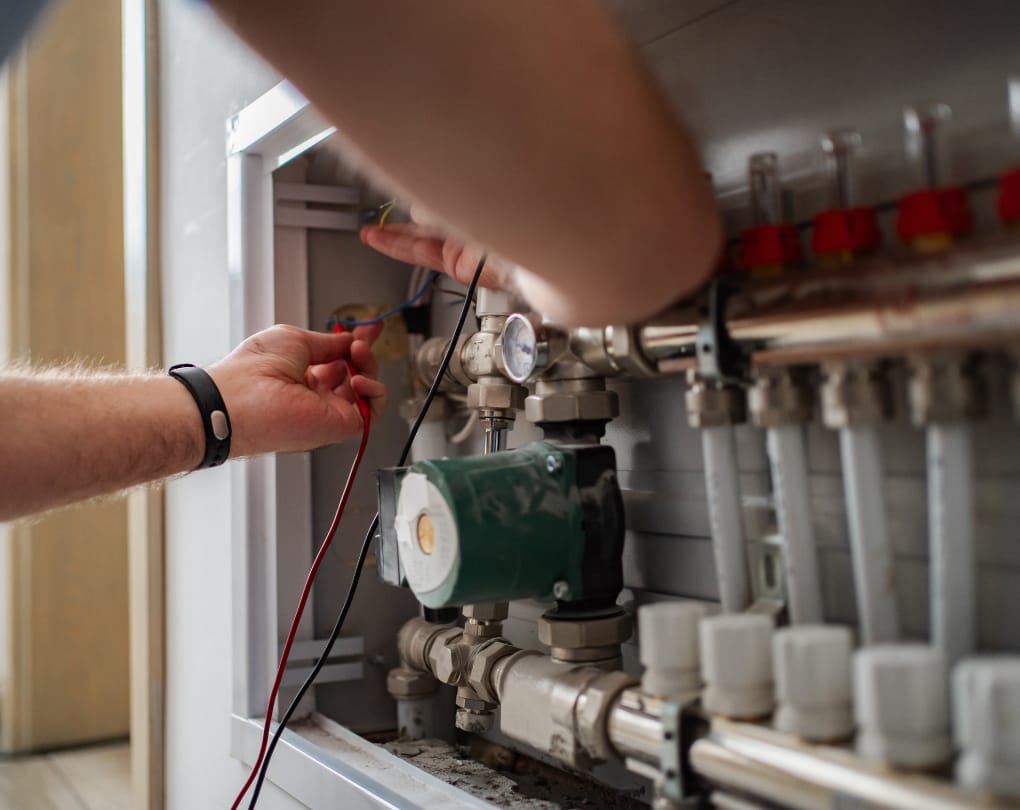
Heat pump installation is more feasible when:
- The building already allows individual HVAC upgrades
- The unit is a low-rise or townhouse-style condo.
- There is a pre-existing exterior mechanical space.
- The system connects to an existing duct network.
In townhouse condominiums or smaller low-rise buildings, boards may be more flexible than in high-rise towers.
Insurance & Liability Considerations
If a heat pump installation causes water intrusion, electrical damage, or mechanical imbalance, liability can extend beyond your unit.
Condo corporations carry master insurance policies, but owners remain responsible for alterations within their unit.
The Insurance Bureau of Canada outlines how condo owner insurance interacts with a building’s master policy. Any major mechanical upgrade should be disclosed to your insurer.
Climate Incentives & Energy Efficiency
One reason condo owners explore heat pumps is energy efficiency.
Energy-efficient upgrades are often supported through government incentive programs across Canada, although eligibility can depend on the type of property and ownership structure.
Condo owners must confirm whether incentives apply to individually owned units within shared buildings.
What If the Condo Says No?
If the condo declaration or rules prohibit exterior mechanical additions, the board may deny the request.
Unlike interior renovations, HVAC upgrades often affect structural and shared systems. Condo boards have a legal duty to protect common elements and maintain uniform building standards.
If heating performance is inadequate, it may be better to address concerns collectively through the condo board rather than pursuing independent modifications.
When Heat Pump Installation Makes Sense in a Condo
Installing a heat pump in a condo in Canada is sometimes possible but rarely automatic.
Before planning installation:
- Review your condo’s declaration
- Speak with property management.
- Confirm electrical and mechanical feasibility.y
- Obtain written board approval.
In condominium living, mechanical upgrades affect more than just one unit. Approval is not about preference; it’s about infrastructure integrity.


