If you are investing in Canadian real estate, one question matters:
Should you build an Additional Dwelling Unit (ADU) or buy a condo?
Direct answer:
ADUs offer stronger long-term wealth creation through land ownership, rental flexibility, and forced appreciation. Condos offer easier entry, lower operational complexity, and more predictable financing. The better choice depends on capital, risk tolerance, time horizon, and location.
This pillar guide covers:
- What an ADU is
- All ADU types
- ADUs vs. condos (side-by-side)
- Regulations across major Canadian cities
- Financing strategies
- Rental income modelling
- Property value impact
- Step-by-step development roadmap
- ROI case examples
- Tax and exit strategy
What Is an Additional Dwelling Unit?
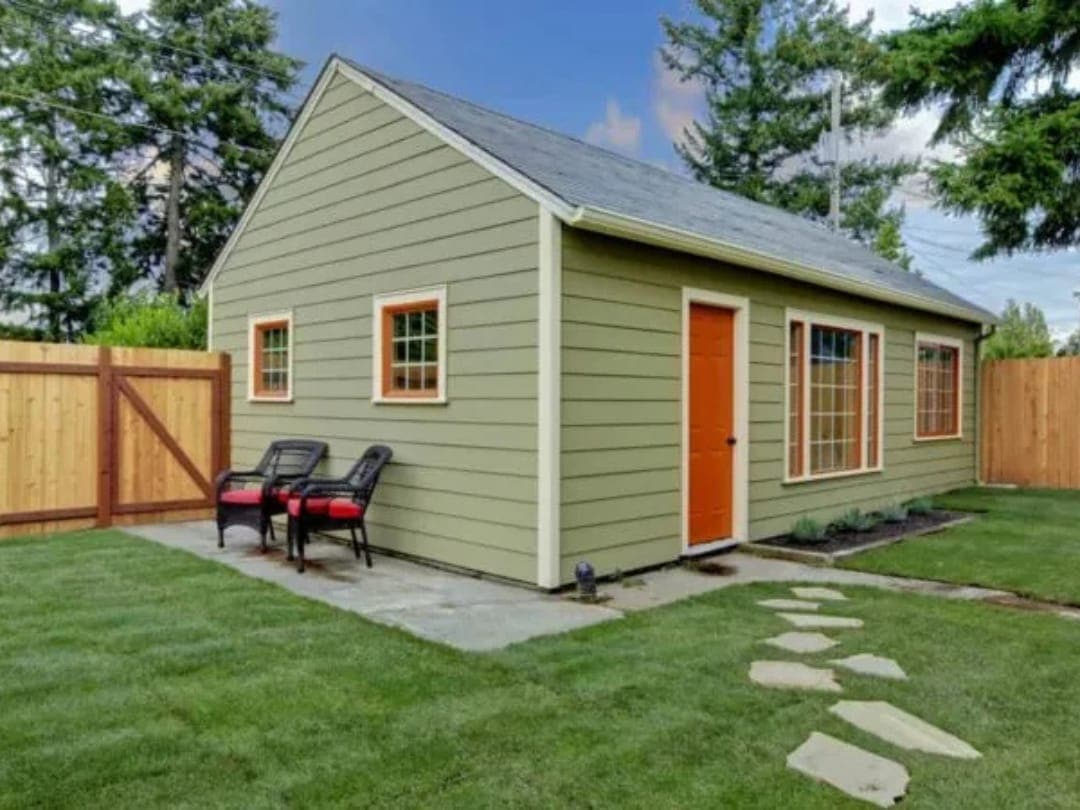
An Additional Dwelling Unit (ADU) is a self-contained secondary residence built on the same property as a primary home. It includes:
- Private entrance
- Kitchen
- Bathroom
- Sleeping space
In Canada, ADUs are commonly referred to as:
- Secondary suites
- Laneway houses
- Garden suites
- In-law suites
Municipal reforms aimed at increasing housing supply have expanded ADU permissions across the country. For example, the City of Toronto outlines secondary suite policies in its official zoning framework.
For investors, ADUs are a way to increase income without buying separate land.
Types of Additional Dwelling Units
1. Basement ADUs
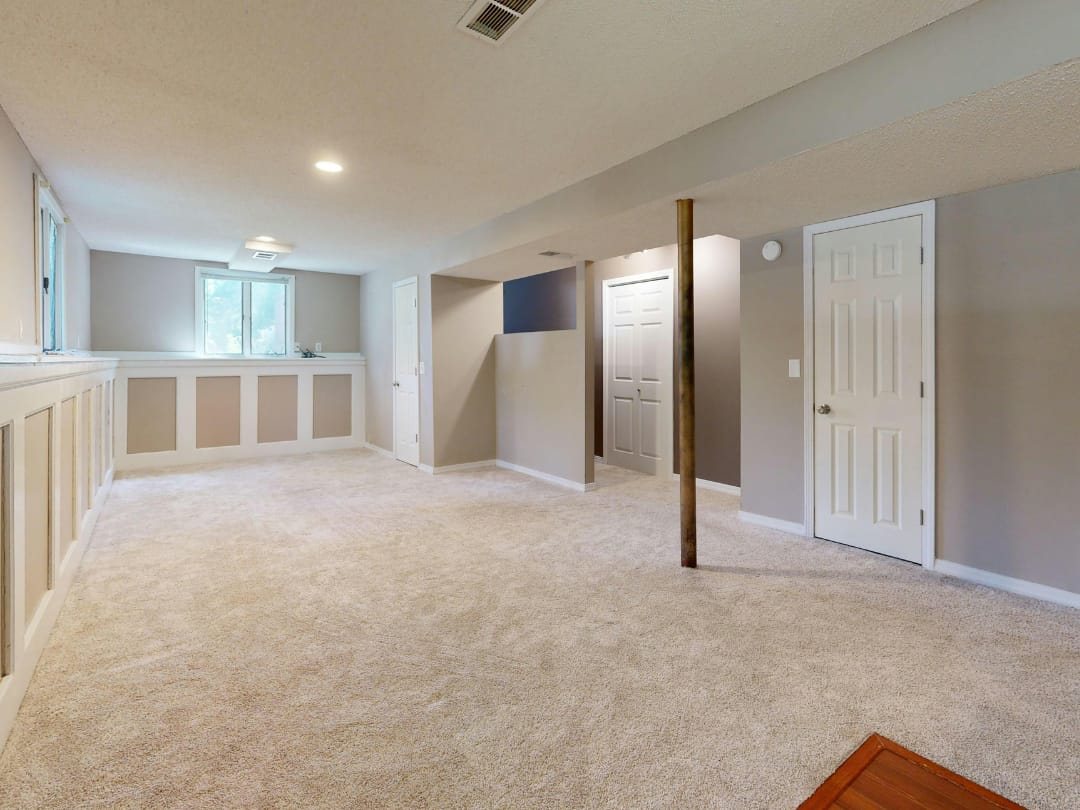
The most common and affordable form of ADU.
Advantages
- Uses existing square footage
- Lower construction costs
- Strong tenant demand
Challenges
- Fire code separation
- Ceiling height compliance
- Egress windows required
Cities such as Calgary actively regulate secondary suites via building safety codes.
Basement ADUs are ideal for investors seeking moderate capital deployment with steady long-term income.
2. Detached ADUs (Laneway or Garden Suites)
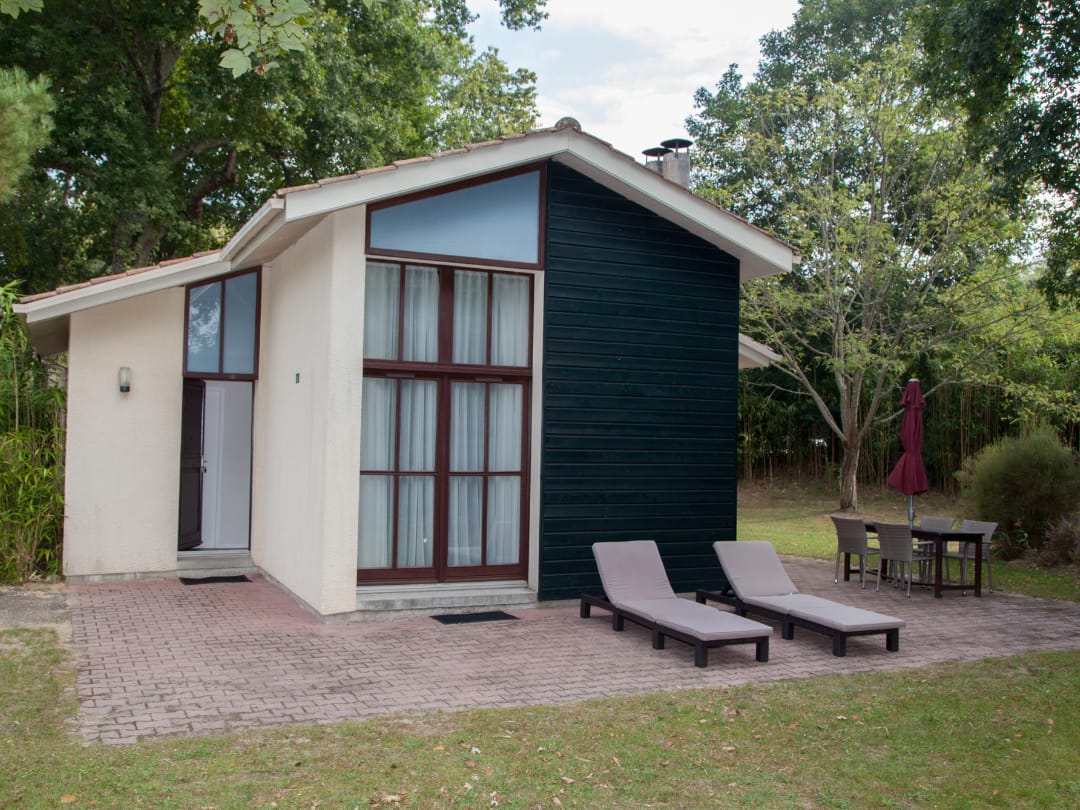
Standalone structures built in backyards.
Vancouver pioneered laneway housing policy reform.
Advantages
- Tenant privacy
- Higher rental value
- Minimal interference with the main house
Downside
- $200,000–$400,000 build range in major cities
- Utility extension costs
Detached ADUs behave more like micro-homes and often generate premium rents.
3. Garage Conversion ADUs
Converting a garage into a rental unit.
Pros
- Lower capital cost than new construction
- Faster build timeline
Cons
- Parking bylaw compliance
- Insulation upgrades
Garage ADUs work best in lower-density cities with relaxed parking requirements.
4. Above-Garage ADUs
Units constructed above newly built garages.
Advantages
- Efficient land usage
- Higher ceiling heights than basements
- Premium rental positioning
These tend to command higher rents than basement suites while costing less than detached structures.
5. Condo Conversion ADUs
Multi-unit conversions inside large homes often involving formal subdivision.
This strategy requires advanced zoning approval and legal consultation. It is less common but can create substantial equity if executed correctly.
ADUs vs. Condos: Side-by-Side Comparison
| Category | ADU | Condo |
|---|---|---|
| Own the Land? | Yes | No |
| HOA/Strata Fees | None | Yes |
| Renovation Control | High | Limited |
| Rental Restrictions | Flexible (city dependent) | Often restricted |
| Appreciation Driver | Land value | Market demand |
| Management Load | Moderate to High | Low to Moderate |
| Forced Appreciation | Possible | Limited |
| Entry Cost | Higher | Lower |
Critical distinction: ADUs sit on land you control. Condos sit inside buildings with shared governance.
ADU Regulations Across Canadian Cities
Toronto
Toronto permits secondary suites and multiplex conversions in many zones.
Vancouver
Vancouver has long supported laneway housing.
Calgary
Calgary allows secondary suitessubject to permit and inspection approval.
Ottawa
Ottawa allows secondary dwelling units under zoning compliance.
Always verify:
- Lot size minimums
- Parking requirements
- Fire separation standards
- Utility metering requirements
Municipal regulations evolve annually.
Financing an Additional Dwelling Unit
Financing ADUs is more complex than condo purchases.
Common ADU Funding Paths
- Mortgage refinance
- Home Equity Line of Credit (HELOC)
- Construction loans
- Rental income qualification
The Canada Mortgage and Housing Corporation (CMHC) provides general financing guidance:
Condos typically require conventional mortgage underwriting without construction risk.
Rental Income Potential: ADU vs Condo
Rental income depends on:
- City
- Neighborhood desirability
- Transit proximity
- Unit quality
Example Scenario – Toronto
- Basement ADU rental: $1,800–$2,500/month
- Detached laneway suite: $2,400–$3,200/month
- Downtown condo (1-bed): $2,200–$2,800/month
ADUs often provide higher gross rental yields relative to incremental build cost, particularly when compared with rental yields in the downtown Toronto condo market.
ROI Modelling: 10-Year Investment Outlook
Scenario A – ADU Build
- Construction: $250,000
- Monthly rent: $2,400
- Annual income: $28,800
- Gross yield: 11.5%
- Land appreciation benefit retained
Scenario B – Condo Purchase
- Condo price: $600,000
- Down payment: $120,000
- Monthly rent: $2,600
- Condo fees: $500/month
- Net yield after fees is significantly reduced
While condos offer simplicity, ADUs allow investors to generate returns through strategic improvements.
ADUs and Property Value
Adding an ADU can:
- Increase overall property valuation
- Improve mortgage refinancing capacity
- Expand buyer pool at resale
Appraisers consider income approaches and comparable market sales.
However:
- Overcapitalizing can limit ROI
- Non-permitted units reduce value
Condos depend more heavily on building management quality and macro housing cycles.
Historically, land-backed properties demonstrate stronger long-term resilience.
Tax Considerations
ADUs and condos both trigger:
- Rental income taxation
- Capital gains considerations
- Potential GST implications (in rare construction scenarios)
Consult the Canada Revenue Agency(CRA):
ADUs may impact the principal residence exemption depending on structuring.
Building an ADU: Step-by-Step Development Process
Step 1: Zoning Confirmation
Contact the municipal planning office.
Step 2: Feasibility Study
Assess lot dimensions, setbacks, and utility capacity.
Step 3: Budget and Financing
Include 10–20% contingency.
Step 4: Architectural Plans
Submit drawings for the permit.
Step 5: Secure Permits
Building, fire, and electrical approvals.
Step 6: Construction
Licensed contractor oversight.
Step 7: Inspection & Occupancy
Legal certification is essential before renting.
Step 8: Tenant Screening
Formal lease agreements and background checks.
When a Condo Makes More Strategic Sense
Condos may be preferable if:
- You prefer passive investment
- You have limited capital
- You want liquidity and resale flexibility
- You do not want construction oversight
Condo boards manage exterior maintenance, reducing hands-on involvement.
Long-Term Exit Strategy Considerations
With ADUs:
- Sell property at a higher valuation
- Refinance based on income
- Transition to multi-unit conversion
With condos:
- Sell the unit individually
- Easier liquidity
- Lower management complexity
Investors seeking scalability often lean toward ADUs.
Key Takeaways for Investors
- ADUs provide land control and stronger forced appreciation potential.
- Condos offer simplicity and lower entry barriers.
- Municipal zoning reform increasingly favours ADUs.
- Financing ADUs requires planning and capital reserves.
- Long-term wealth creation historically favours land-backed assets.
Frequently Asked Questions
Are ADUs legal across Canada?
Legality depends on municipal zoning. Most major cities allow secondary suites with compliance.
Is building an ADU risky?
Execution risk exists, particularly with budgeting and permitting delays.
Do ADUs increase property taxes?
Yes, due to the higher assessed value.
Which investment appreciates more?
Land-backed assets historically outperform condos over long time horizons.
Is an ADU good for first-time investors?
Only if capital reserves and construction risk tolerance are adequate.
Strategic Investment Conclusion
The ADU vs condo decision is fundamentally about control versus convenience.
ADUs require capital, oversight, and regulatory diligence but offer stronger wealth-building mechanics tied to land and income generation.
Condos provide accessible entry, simplicity, and passive management.
For long-term Canadian investors focused on asset control and rental scalability, ADUs represent a powerful strategy when executed correctly.
For investors prioritizing liquidity and lower operational involvement, condos remain a stable option.
Choose based on capital, risk tolerance, and investment horizon, not trend cycles.


